

In the digital age, web radio stations offer a wide variety of content. They let everyone find their favorite style of music. Music lovers around the world enjoy these audio streaming platforms.
Traditional radio stations offer formats centered on pop, rap, and current hits. Web radio stations focus on more specific genres. They give listeners a unique experience.
From traditional radio to digital broadcasting
Traditional radio, once broadcast over FM frequencies, has evolved with digital technology. Web radio stations have transformed the radio landscape. They offer a wide variety of content without the limits of FM radio.
This change has opened the door to stations from around the world. Listeners can now hear programs from almost anywhere.
The advantages of web radio over FM radio
Web radio stations specialize in music genres or specific topics. They have a flexible business model. This helps them stand out and grow more easily than FM stations.
Worldwide access to radio content
The internet lets web radio stations reach a global audience. They can go beyond the limits of over-the-air broadcasting. Listeners can discover a wealth of radio content wherever they live.
More accessible broadcasting platforms
The growth of streaming platforms has made it easier to create web radio stations. More people can launch their own digital radio station. This has created a more diverse and lively radio scene.
“Digital radio offers a broad range of programs with digital sound quality and interactive program guides.”
Essential music genres on web radio
Web radio stations offer a wide variety of music. They make it easy to discover genres both familiar and obscure. Fans of mainstream pop can find the latest hits. Fans of rock and alternative music can enjoy lesser-known artists.
Fans of hip-hop and rap are well served too. Specialist web radio stations offer programs devoted to these genres.
The variety does not end there. There are stations dedicated to jazz, classical music, and world music. Some even focus on subgenres such as lo-fi or heavy metal.
| Music genre | Examples of specialist web radio stations |
|---|---|
| Pop / Mainstream | NRJ, Fun Radio, Virgin Radio |
| Rock / Alternative | Oüi FM, XFM |
| Rap / Hip-hop | Skyrock, Hot 97 |
| Electronic music | DI.FM |
| Jazz | Jazz Radio |
| Classical music | Classique Online |
| World music | Roots Legacy Radio |
| Metal | Metal Injection Livecast |
| Folk | Folk Alley |
| Synthwave | The Synthwave Channel |
The range of web radio stations shows how well they can serve discerning, passionate listeners.

“Web radio stations offer an almost endless variety of content and styles, accessible from anywhere in the world via the internet.”
The variety of online program formats
Web radio stations offer many program formats to suit different listeners. These include talk shows, podcasts, live sessions, exclusive DJ sets, and specialist themed programs.
Interactive talk shows and podcasts
Talk shows and podcasts feature engaging discussions on subjects ranging from current affairs and culture to lifestyle. These formats encourage interaction by letting listeners comment and ask questions.
Exclusive live sessions and DJ sets
Web radio stations let audiences follow exclusive live sessions and DJ sets. These formats offer an immersive, authentic experience. They showcase talent from the music scene, including both emerging and established artists.
Specialist themed programs
Web radio stations create specialist themed programs. They immerse listeners in particular musical worlds. This variety makes listening distinctive and rewarding.
In short, web radio stations offer formats to suit every listener’s tastes. The result is an engaging and varied listening experience.
Stations specializing in music genres
The world of web radio is full of stations specializing in music genres. These themed stations or niche stations help fans explore their favorite styles. They can also discover new artists within these specific music genres.
Electronic music fans enjoy Rinse France, Radio Marais, and Radio Piiaf. These stations play this kind of music exclusively. For fans of independent rock, KROQ 106.7 in Los Angeles is an excellent choice. It is regarded as one of North America’s leading rock stations.
Fans of jazz, classical music, or country have favorite stations of their own. Examples include Pure Country in Canada and Boom FM in Ontario and Alberta. Fans of popular hits may enjoy New York’s Z100, which plays today’s top songs.
These specialist stations offer a distinctive listening experience. They let people immerse themselves in the music they love. They are also a great way to discover new artists and learn more about a genre.
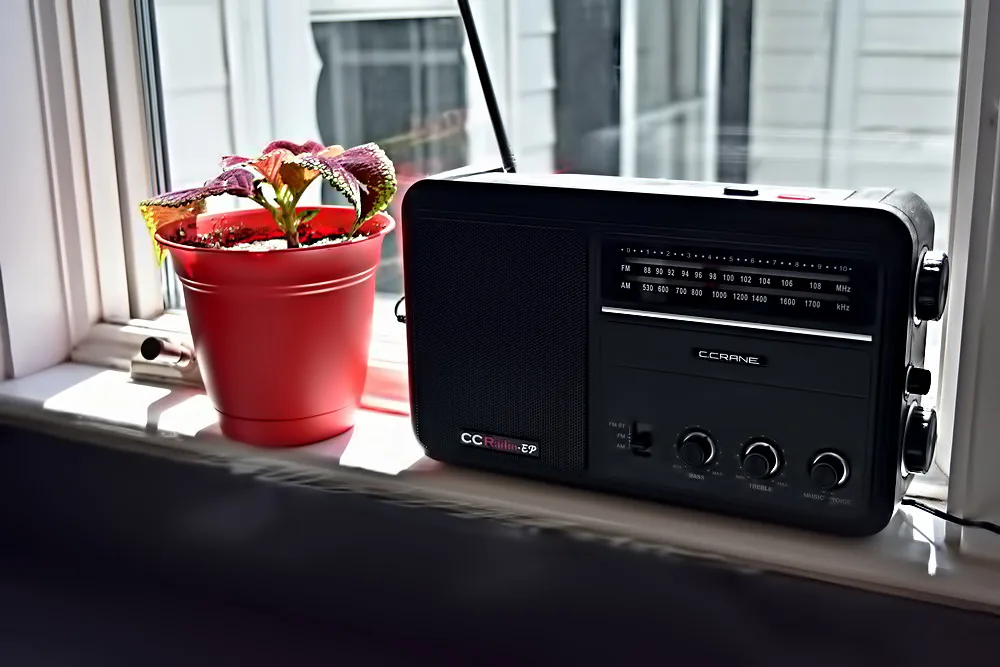
“Specialist web radio stations help music lovers discover an incredible range of music far beyond mainstream hits.”
Connecting with the listener community
Web radio stations play an important role in bringing listeners together. They build loyal online communities. By using tools for direct participation, they strengthen audience engagement and gain a better understanding of listeners’ preferences and needs.
Tools for live participation
Web radio stations offer live chats during programs. Listeners can talk with presenters in real time. Stations also run polls and questionnaires to gather audience opinions.
These interactions make listening more personal and rewarding.
Building a loyal community
By sharing varied content on social media, web radio stations encourage conversation. They publish text and image posts, audio clips, and live videos. This sparks discussion within their communities.
Adding links to specific music genres in their posts encourages listeners to discover new music.
Why listener feedback matters
Regular analysis of social media statistics helps web radio stations adapt their content strategy. This improves audience engagement. Personal replies to listener comments strengthen the sense of belonging.

Ultimately, interaction with listeners is crucial for web radio stations. It helps them build a loyal community and continually improve their content and services to meet audience expectations.
Conclusion
Web radio stations have changed the radio landscape. They offer a wide range of music. Whether you enjoy pop, independent rock, or simply want to hear a familiar voice, there is something for everyone. Digital platforms are essential to sharing music and culture. Each has its own style and identity.
The future of web radio looks promising. New technologies improve the listening experience and provide access to a wide range of music genres. This digital shift is changing how we listen to and appreciate music.
Web radio stations make music more accessible to everyone. They help more people discover new artists and develop individual musical tastes. Independent genres gain visibility, creating new opportunities for their artists. Web radio stations continue to play a key role in the evolution of radio.