
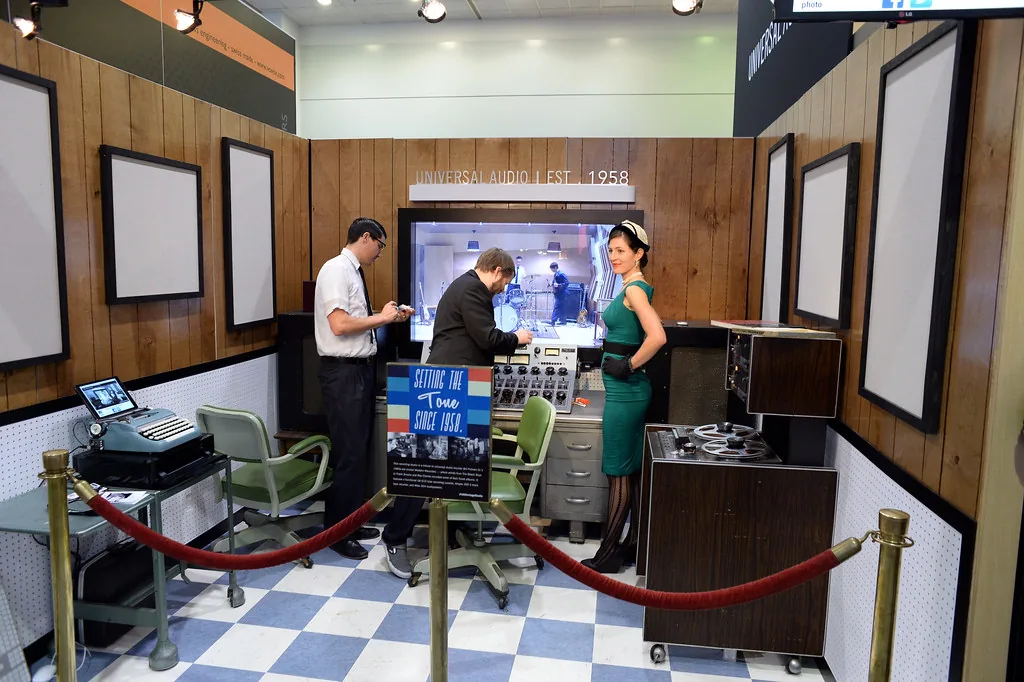
Introduction: How Music Production Has Evolved
The world of music has undergone a revolution over the past few decades. In the 1960s, only signed artists could access legendary analog studios. Today, computers, audio interfaces and affordable software have made music production accessible to many more people.
Now, a laptop, a microphone and an audio interface are enough to record and mix from your bedroom. That is how the home studio emerged: a creative laboratory that helped give rise to entire movements such as trap and drill, as well as artists on SoundCloud.
Meanwhile, professional recording studios have continued to evolve, offering excellent recording conditions, high-end equipment and the expertise of experienced sound engineers. For an aspiring beatmaker, rapper or producer, the dilemma is often the same: should you invest in your own home studio or record in a professional studio?
Here is a complete guide to help you choose based on your experience, budget and ambitions. 🎵
The Rise of the Home Studio: The Digital Revolution
🎛️ From Accessible Technology to Boundless Creativity
The arrival of personal computers and digital audio workstations (DAWs) in the 1980s transformed the way music is made. Today, with a budget of around €400, you can get an audio interface, a MIDI keyboard and studio monitors.
This accessibility has allowed a generation of independent artists to experiment freely, encouraging new styles and complete creative freedom.
✅ The Advantages of a Home Studio
- Affordability : the initial cost is low, and you can buy equipment gradually.
- Flexibility and comfort : you can record at any hour, redo a take at midnight or try new effects without a time limit.
- Independence and learning : running your home studio pushes you to understand the audio signal chain, master a DAW and build valuable technical skills.
- Unlimited creativity : it is a space for experimentation where anything is possible, without outside pressure.
⚠️ The Limitations of a Home Studio
- Uncontrolled acoustics : an untreated room creates resonances and echoes.
- Limited equipment : it can be difficult to achieve the precision and warmth of professional equipment.
- A steep learning curve : you need to learn to record, mix and master your music yourself.
- Difficulty staying disciplined : working from home takes discipline to stay focused.
A home studio is therefore an excellent place to start learning and creating, but its limitations can quickly become apparent when you want a professional sound.

The Professional Recording Studio: Outstanding Sound
A professional recording studio is designed to produce sound of exceptional quality. It brings together technology, expertise and a creative environment.
🎧 Controlled Acoustics
The main advantage of a professional studio is its acoustic treatment. The walls, ceilings and floors are designed to absorb reverberation and block outside noise.
The result is a neutral, precise sound that faithfully captures the voice or instrument. Even a well-treated home studio cannot match that level of precision.
🎚️ High-End Equipment
Professional studios have condenser microphones, analog preamps, mixing consoles and high-end converters that give recordings distinctive character and depth.
This equipment captures every nuance of a voice or beat and adds warmth, clarity and impact.
👨🔧 Experienced Sound Engineers
In a studio, you are not alone: a sound engineer helps you get the best takes, position microphones, balance your mix and choose effects.
That human expertise can make the difference between a good track and a release ready for streaming platforms.
🌌 An Inspiring Environment
A studio also has an atmosphere: lighting, comfort and a sense of focus. Leaving home to record lets you immerse yourself in the music without distractions. Many artists say this immersion helps them do their best work.
⏱️ Greater Speed and Efficiency
An experienced engineer can set up equipment quickly and solve problems as they arise. The result: more time to create and less time spent searching for the right settings.
🚀 A Professional Image
Releasing a studio-recorded track strengthens your image as a serious, professional artist. Labels, playlist curators and listeners can hear the difference.
A studio is also a place to make connections: you may meet other artists, producers or managers and find opportunities to collaborate.
Home Studio or Professional Studio: How Do You Choose?
🎯 Your Goals
- To experiment or make demos: a home studio is ideal.
- To release a single or a commercial project: a professional studio is the best choice.
💰 Your Budget
A home studio requires an investment you can make gradually. A professional studio has a one-time cost but offers an immediate result without compromise.
🧠 Your Technical Skills
If you already know how to mix and record, your home studio may be enough. Otherwise, a professional sound engineer can help you avoid many mistakes.
🗓️ Your Schedule
A home studio gives you complete flexibility. A professional studio requires you to book and prepare your sessions in advance, but provides an environment that supports focus and productivity.
The Hybrid Approach: The Best of Both Worlds
Many artists work in two stages:
- Writing and preproduction at home
- Final recording, mixing and mastering in a studio
It is an effective strategy that combines creative freedom with professional quality.
🎵 Le Chalet Studio: An Example of Accessible Excellence
If you are looking for a place where a creative atmosphere meets technical expertise, Le Chalet Studio is a perfect example.
Located in the Paris region, this studio brings together high-quality acoustic treatment, professional equipment and a passionate team.
Whether you want to record vocals, mix a project or produce a complete EP, beatmakers and artists can find personalized support in a welcoming, inspiring setting.
Conclusion: Sound Comes First
A home studio is an excellent springboard for learning, expressing yourself and testing ideas. It offers the freedom and convenience that creativity needs.
But when you want a sound that is ready for radio, want to reach a professional level and want to save time, a recording studio remains the best option.
The ideal path? Start small, keep learning, then bring in the right people at the right time.
Music is a journey: choose your path, get the equipment that fits your ambitions and never forget that your sound is your identity. 🎧
Would you also like me to make you an HTML version ready to add to your site, with headings, meta tags, internal links and an optimized FAQ Schema structure? It would be perfect for publishing directly on your blog and improving your SEO.