
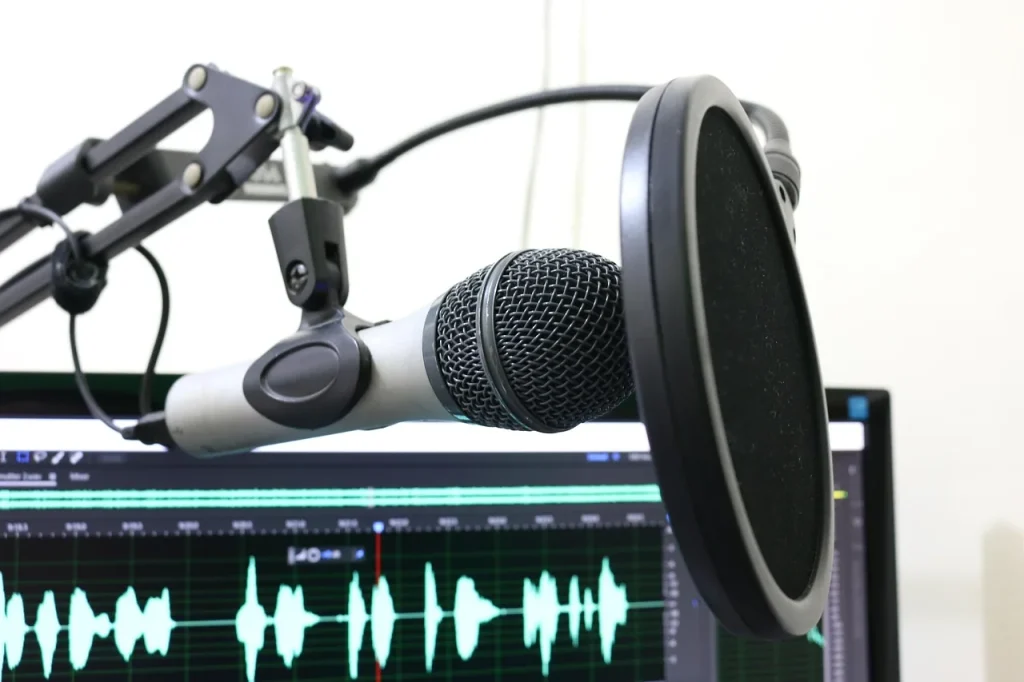
Running a web radio station involves many technical challenges. Whether in a school or a professional setting, setting up and running a web radio station requires technical knowledge of audio recording and broadcasting tools and software. Careful organization is also needed to support collective and collaborative work.
Creating a web radio station also requires suitable equipment and setting up a broadcasting outlet. All these elements contribute to running a web radio station effectively.
Skills gained through school radio
Using school radio gives students the opportunity to gain a range of skills. They can practice speaking clearly and distinctly, improving their oral communication. By structuring what they say, they also develop their writing skills. In addition, running a school radio station teaches them to use and control their voices by working on diction, intonation and modulation. All of this strengthens their communication skills.
A school radio station also prompts students to research, select and organize information for their programs. This helps them develop critical thinking and the ability to use media responsibly. They learn to verify information, put it in context and present it engagingly to their audience. Running a school radio station therefore develops research, information processing and media analysis skills.
Finally, taking part in school radio helps students gain essential transferable skills. Managing nerves during recordings or live broadcasts helps them build confidence and handle stress. They also become more independent when creating and producing their programs, which encourages them to take initiative. School radio thus develops social skills, teamwork and leadership abilities.
Setting up a radio station at a school
Setting up a radio station at a school requires careful planning and organization. Here are the main elements to consider:
Develop an educational plan
Before starting, it is essential to define a sound educational plan for creating and running the station. The plan should include specific learning goals, such as developing communication skills, media literacy and collaboration among students. It is also important to decide how the station will fit into different parts of the curriculum.
Equip a dedicated space
For the station to run smoothly, it needs a dedicated, equipped space. This room should have computers, microphones, a mixing console and audio editing software. If no dedicated room is available, portable equipment can be set up in a classroom or an improvised studio.
Plan a broadcasting outlet
To broadcast the station’s programs, it is essential to provide an outlet. This could be a dedicated website, a podcast platform or even a mobile app. The outlet should be easy for listeners to access and let them hear programs live or on demand. It is also important to promote the station within the school community and raise awareness of it to attract as many listeners as possible.
| Key elements of setting up a school radio station | Important points |
|---|---|
| Educational plan | Define learning goals and integrate the station into the curriculum |
| Dedicated space | Equip a room or use portable equipment for recordings |
| Broadcasting outlet | Create a website or use a podcast platform or mobile app to broadcast programs |
With careful planning and the right resources, setting up a radio station at a school can offer students and the school community an enriching educational experience.
The benefits of running a web radio station at a school
Running a web radio station offers schools many benefits. First, it helps students develop their spoken and written communication skills. By practicing speaking clearly and distinctly, they improve their oral expression and ability to convey ideas. Likewise, structuring what they say strengthens their writing skills and teaches them to organize their ideas coherently.
Running a web radio station also encourages teamwork, independence and initiative. By working together to produce programs, students learn to collaborate, exchange ideas and respect other people’s opinions. They also become better at working independently by making decisions and managing their time effectively.
In addition, school radio encourages listening, openness to others and self-esteem. Students can listen to and appreciate their peers’ work, which promotes active listening and respect for others. Taking responsibility for creating and broadcasting content also builds their confidence and self-esteem.
Example of a school radio program
“Our school radio program, Let’s Talk Culture, introduced us to new works of literature, art and film. We interviewed writers, artists and filmmakers, giving us the chance to deepen our knowledge and share our discoveries with our classmates. The experience also improved our communication and research skills. School radio was truly an enriching experience for us and our school community.”
Finally, running a web radio station helps students gain digital literacy and develop critical thinking. By using the tools and software needed to record and broadcast audio, they gain technical skills that matter in today’s digital world. Taking responsibility for creating content also teaches them to evaluate information and media critically, making them more aware of the media’s impact on society.
In conclusion, running a web radio station at a school has many benefits. It helps students develop communication skills and encourages teamwork, independence, active listening and self-esteem. It also introduces them to digital culture and develops their critical thinking. School radio is a valuable teaching tool that offers students many opportunities to learn and grow.

The financial and technical challenges of running a web radio station
Running a web radio station presents significant financial challenges and technical challenges. First, funding the necessary equipment can be a major obstacle, particularly for schools with limited budgets. Buying quality equipment, such as microphones, mixing consoles and broadcasting software, can require a substantial investment.
Technical knowledge of audio recording and broadcasting tools and software is also essential for running the station well. Teachers and students need training in these technologies, which may take additional time and resources.
Finally, running a web radio station demands careful organization to support collective and collaborative work. Programs must be planned, participants’ contributions coordinated and broadcast schedules managed. This can be a logistical challenge, especially when students run the station.
Despite these challenges, many schools and organizations have overcome the obstacles and successfully run a web radio station. With suitable technical and financial support and a willingness to innovate, they can create an enriching experience for students and listeners.
Table: comparison of the financial and technical challenges of running a web radio station
| Financial challenges | Technical challenges |
|---|---|
| Funding equipment | Mastering audio recording and broadcasting tools |
| Limited budgets | Training teachers and students |
| Substantial investment | Carefully organizing collective work |
It is therefore essential to consider these financial challenges, along with the technical and organizational challenges, when setting up a web radio station at a school. With proper planning and support, however, schools can overcome these obstacles and create an enriching educational experience for students.
Conclusion
Running a web radio station presents technical challenges, financial challenges and organizational challenges. However, it offers many benefits for developing students’ skills and showcasing their work. Despite the obstacles, many schools and organizations have successfully set up and run a radio station. With proper planning, appropriate technical and financial support and a willingness to innovate, they can overcome these challenges and create an enriching experience for students and listeners.
Running a web radio station helps students gain spoken and written communication skills, develop critical thinking and learn to use media responsibly. It also encourages teamwork, independence and initiative. School radio can be used across all subjects and is a valuable teaching tool for preparing for the oral examination of the French lower secondary school certificate.
Despite the financial challenges of acquiring the necessary equipment and the technical challenges of using audio recording and broadcasting tools and software, running a web radio station remains achievable. Schools can overcome these obstacles by planning their project carefully, seeking appropriate technical and financial support, and encouraging innovation. Setting up and running a radio station can give students an enriching experience and help them develop valuable skills for the future.
FAQ
What are the technical challenges of running a web radio station?
Running a web radio station requires knowledge of audio recording and broadcasting tools and software, as well as careful organization of collective and collaborative work. Suitable equipment and an adequate broadcasting outlet are also essential.
What skills can students gain through school radio?
Students can develop spoken and written communication skills, learn to research, select and organize information, and practice critical thinking and responsible media use. Running a radio station also helps them gain transferable skills, such as managing nerves, working independently and taking initiative.
How can a school set up a radio station?
It is important to define an educational plan for creating and running the station. A dedicated space or portable equipment is also needed to record programs. Schools also need a broadcasting outlet and time set aside to prepare and record programs.
What are the benefits of running a web radio station at a school?
Running a radio station helps students develop communication skills and encourages teamwork, independence and initiative. It also promotes listening, openness to others and self-esteem while building digital literacy and critical thinking. It can be used across all subjects and can help students prepare for the oral examination of the French lower secondary school certificate.
What are the financial and technical challenges of running a web radio station?
Funding the necessary equipment can be an obstacle, particularly for schools with limited budgets. Schools also need to develop technical knowledge of audio recording and broadcasting tools and software. Careful organization is important for collective and collaborative work. Finally, the transition to Industry 4.0 brings additional challenges concerning data security and compatibility with new technologies.