
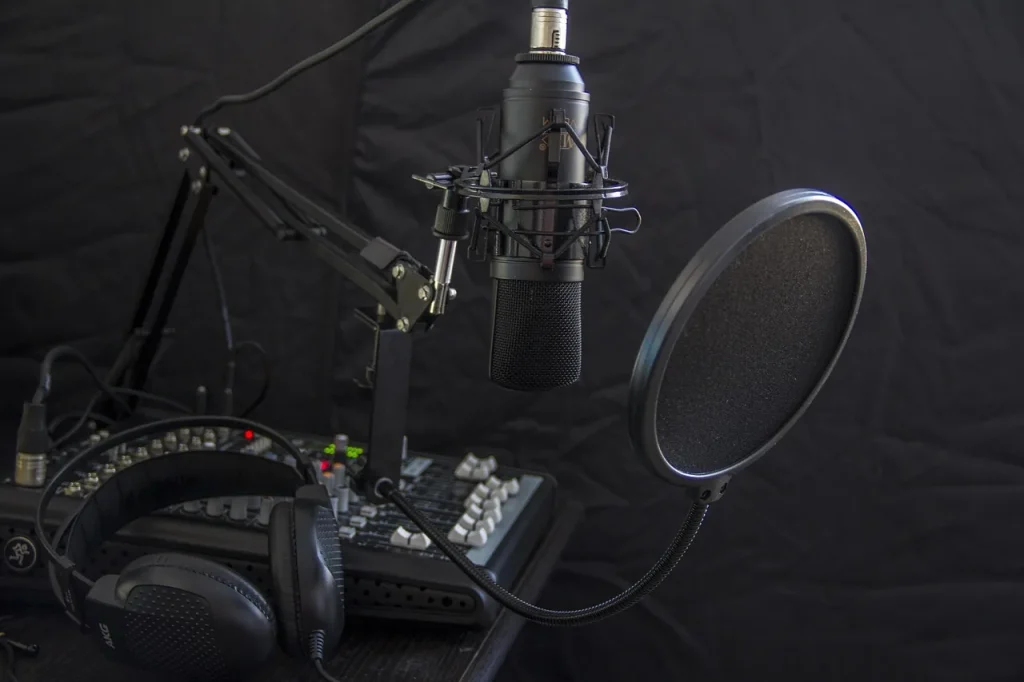
Creating a web radio station is an exciting venture. It lets you share music, discussions or advice. It is a way to reach people around the world with your creativity.
To launch your web radio station, first define your vision. Choose a distinctive theme that sets you apart. It could focus on music, discussions or shows devoted to particular causes.
Set SMART goals. They will help you stay focused on your project.
The quality of your web radio station depends on your equipment. Choose your software and hosting platform carefully. Make sure you also respect copyright.
To attract listeners, build a strong brand. Use social media and form partnerships. This will help your web radio station grow and reach more people.
Understanding the basics of web radio
A web radio station is a radio station broadcast over the Internet. People can listen to it anywhere in the world on various connected devices. Internet broadcasting costs less than traditional radio. This allows greater creativity and variety in programming.
What is a web radio station?
A web radio station is a digital radio station that broadcasts over the Internet. People around the world can listen to it. It differs from traditional radio because it uses audio streaming rather than radio waves.
The advantages of online radio
- Worldwide reach through Internet broadcasting
- Access from various platforms and connected devices
- Lower broadcasting and production costs than FM radio
- More flexible regulation that encourages innovation and creativity
How a web radio station works
Running a web radio station involves several important steps:
- Creating audio content
- Encoding the content in a format suitable for streaming
- Hosting the content on a dedicated streaming server
- Delivering the audio stream to listeners through a unique URL
| Features | FM radio | Web radio |
|---|---|---|
| Reach | Limited to a geographic area | Worldwide |
| Access | Dedicated radio receivers | Various connected devices |
| Costs | High (frequencies, equipment, etc.) | Lower (servers, software, etc.) |
| Regulation | Strict (authorizations, quotas, etc.) | More flexible |
“Web radio offers creative and broadcasting freedom unmatched by traditional media.”
Essential equipment for your station
To start your web radio station, good audio equipment is crucial. A capable computer, such as a Dell XPS, is essential for managing your broadcast. A professional microphone, such as the Shure SM7B, provides excellent vocal quality.
Comfortable headphones, such as the Sony MDR7506, are needed to monitor your sound. An audio interface, such as the Focusrite Scarlett 2i2, makes it easier to connect your microphone and adjust audio settings. A mixer, such as the Yamaha MG10XU, helps balance sound levels and add effects.
A stable, fast Internet connection is crucial. The bandwidth you need depends on your number of listeners and desired streaming quality (64 kbps, 128 kbps or 320 kbps).
| Equipment | Example |
|---|---|
| Computer | Dell XPS |
| Microphone | Shure SM7B |
| Headphones | Sony MDR7506 |
| Audio interface | Focusrite Scarlett 2i2 |
| Mixer | Yamaha MG10XU |
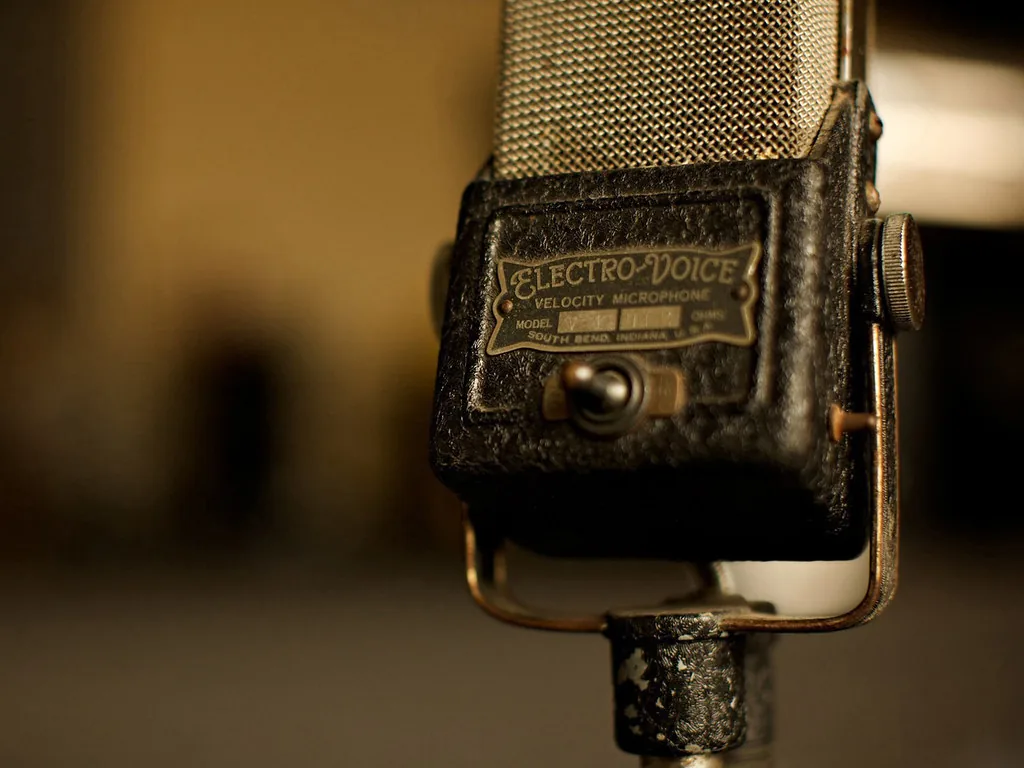
With suitable equipment and a reliable connection, you are ready to launch your web radio station and share your passion with an enthusiastic audience.
How to create your web radio station: essential tools and steps
To launch a web radio station, you need to choose the right tools and follow a few key steps. Selecting streaming software that meets your needs is crucial. SAM Broadcaster is a professional option, while BUTT is simple and free.
You also need a specialized hosting provider. RadioKing is one option. It offers a free trial and a French-language interface.
Recommended broadcasting software
- SAM Broadcaster: a comprehensive professional solution
- BUTT: a free, easy-to-use tool
Specialized hosting platforms
RadioKing is a recommended hosting provider. It offers a free trial and a French-language interface, which can make setting up your web radio station easier if you speak French.
Initial technical setup
Technical setup is essential. Choose your broadcasting software, connect to your hosting provider and adjust your audio settings. A good Internet connection is also crucial for smooth streaming.
By following these steps and using the right tools, you can create your own web radio station and broadcast it over the Internet. Keep up with new technologies and continue learning to help your project succeed.
Legal matters and copyright
Before launching your web radio station, you need to understand the applicable laws and copyright rules. You must first register your station with the relevant authorities where required. This helps you establish the necessary legal status and comply with web radio regulations.
You must then obtain any required music licenses from SACEM in France or comparable organizations elsewhere. These licenses allow you to play music legally on your station while respecting copyright.
- Legal steps: registering the web radio station, choosing a legal status, filing a declaration with SACEM and obtaining insurance
- Obtaining the necessary music broadcasting licenses from organizations such as SACEM, SOCAN, BMI and ASCAP
- Carefully complying with applicable regulations and copyright law
It is crucial to learn about and follow the laws of your country. Failure to comply can lead to serious penalties.
“Protecting the rights of broadcasting organizations is an essential issue in the digital age, so that they can adapt to technological change.”
In short, addressing legal requirements and copyright is essential to the success of your web radio station. Taking these matters seriously will help you avoid problems.
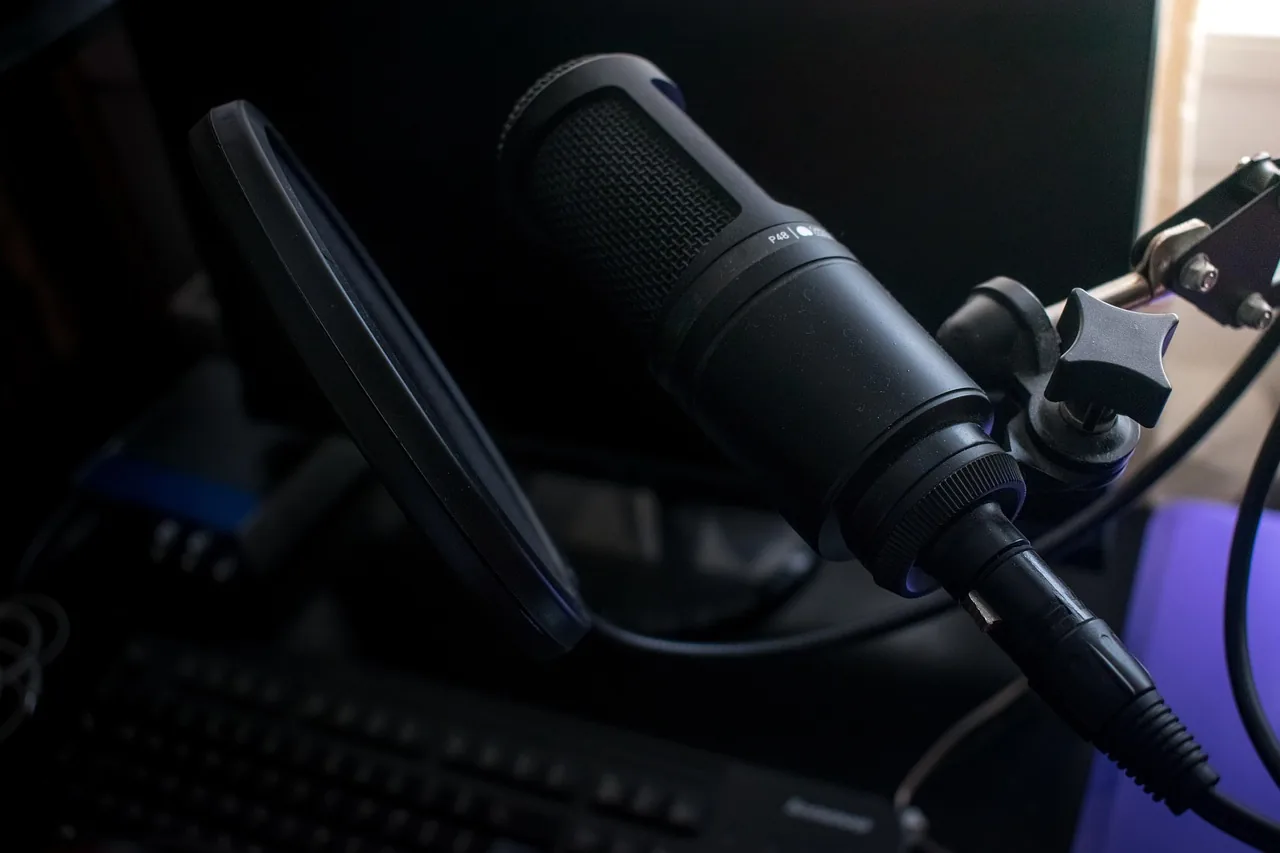
For more information, read the article on adapting broadcasters’ rights to the digital age.
Strategies for promotion and audience growth
Launching a web radio station takes more than technical skills. You need a good digital marketing strategy to attract listeners and keep them coming back. Several approaches can make your station more visible and bring in new listeners.
Building a strong brand identity
Start by creating a distinctive brand image. Build a website with a live player and information about your shows. Make sure your brand is appealing, clear and easy to recognize.
Using social media
Social media is essential for promoting your shows. Be active on Facebook, Instagram and Twitter. Share clips and engage with your listeners.
Partnerships and collaborations
Look for partnerships with other creators and brands. These collaborations can grow your web radio audience. Explore ways to earn revenue, such as advertising.
| Strategy | Goals | Examples |
|---|---|---|
| Building a strong brand identity | Improve recognition and stand out | – Website with a live player – Consistent visual identity – Distinctive positioning |
| Using social media | Engage the community and generate traffic | – Regular posts with appealing content – Conversations with followers – Targeted promotional campaigns |
| Partnerships and collaborations | Increase visibility and revenue opportunities | – Partnerships with creators or brands – Advertising and sponsorship – Merchandise sales |

These strategies can help you build a loyal web radio audience. They can also create more digital marketing opportunities and ways to earn revenue.
Conclusion
Creating a web radio station takes considerable work and money at the outset. Even so, it is a promising venture. You can succeed by defining your idea clearly, choosing the right equipment and following the law.
The music streaming market continues to grow. Online radio stations are gaining popularity through social media. Follow the advice in this article to create a distinctive audio experience.
Whether you love music or work in business or communications, give it a try. Success favors those willing to take the leap.