

Programming is crucial to the success of a web radio station. You need to choose the right format and offer a wide variety of content. It is also important to avoid repetition and keep up with current events.
We will look at how to choose the right format and build a rich media library. We will also discuss programming rules and copyright. Finally, we will explore ways to attract and retain listeners.
Understanding web radio formats
The range of web radio formats is broad. There are six main formats: general interest, music, specialist, local, community, and news. Each serves a particular audience, adding to the variety available online.
General interest and music formats
General interest formats cover many subjects, such as news and culture. They appeal to a broad audience.
Music formats focus on music. They offer a listening experience centered on songs and musical genres.
Specialist and community formats
Specialist formats focus on a particular subject, such as fashion or sports. They serve a smaller but enthusiastic audience.
Community formats serve a particular group, such as a language or ethnic community. They encourage engagement and conversation with listeners.
News and local stations
News stations provide continuous news coverage. Local stations cover events in a particular area. They tailor their programming to their community.
The choice of web radio format depends on several factors, including the concept, available resources, and target audience. Each format has benefits and challenges, allowing creators to meet listeners’ expectations.
Find out how to create your own web radio station. Explore a guide to launching it.
Building an effective media library
A media library is at the heart of a web radio station. It brings together all the content available for broadcast: music, jingles, and shows. There are several ways to build this music library.
One option is to use your own music collection. If it is stored on physical media, you will need to digitize it. Platforms such as iTunes, musicMe, and Bandcamp offer a wide selection of music to buy. For a limited budget, royalty-free music is another option. It can be found on sites such as Jamedo, fyrfly, Auboutdufil, and Dogmazic.
It is essential to check licenses and respect copyright. Poor management of copyright can cause legal problems for a web radio station.
| Key statistics | Values |
|---|---|
| Total number of web radio stations registered by the CSA | 150 |
| Average equipment cost for a web radio studio | €450 |
| Share of the collection budget devoted to digital resources in large libraries | 22% |
| Change in the digital budget between 2020 and 2021 | +5% (+9% in large cities) |
Creating an effective media library is crucial to radio content management. It helps a web radio station offer its listeners high-quality programming.
The secrets of successful programming for a web radio station
The key to good web radio programming is to categorize music tracks and set rotation rules. This helps keep the selection balanced and interesting.
Categorizing music tracks
- New releases: play them frequently so listeners can discover the latest hits
- Recurring tracks: rotate them regularly to keep listeners coming back
- Regular tracks: give them balanced airtime in the program schedule
- Gold tracks: include timeless classics in the programming
Rotation rules and play frequency
Track rotation is crucial. It should be defined for each category to keep the programming balanced and lively.
Planning and the program schedule
A detailed plan and program schedule are essential. They can be created with tools such as Google Sheets, which help organize broadcasts flexibly as needs change.

With clear categories, suitable rotation rules, and a well-designed program schedule, web radio stations can offer a rich and engaging listening experience.
Legal issues and copyright
Broadcasting music on web radio stations in France is subject to strict legal rules. SACEM and SPRE play an essential role in managing broadcast rights and music licenses.
Web radio stations must register with these organizations to pay copyright royalties. SACEM handles the rights of authors, composers, and publishers. SPRE manages the rights of performers and sound recording producers.
Broadcasting music online requires particular attention to legal issues. Web radio stations must comply with the law to broadcast music legally.
“The digital revolution has transformed the copyright landscape, creating new challenges for protecting creative work.”
Rules concerning broadcast rights and music licenses change often. Web radio stations must stay informed to comply with new laws.
In conclusion, copyright management is crucial for web radio stations that want to broadcast music legally. Understanding the law and following the required procedures is essential.
Creating a unique sonic identity
Building a strong radio brand identity is crucial for a web radio station. This involves creating a unique sonic identity that includes jingles, station imaging, and presenters’ voices. Together, these elements form an audio signature that reflects the station’s image.
Developing a radio brand
Developing a radio brand involves creating visual guidelines and a logo. Nearly 70% of brands have these elements to support their communications. Sonic identity is just as important, especially as audio reaches audiences through more channels.
Essential sound elements
- The station’s theme music
- On-air jingles
- Liners and station imaging
- Presenters’ voices, which reflect the station’s personality
When carefully designed, these sound elements create a strong radio brand identity. They are used consistently across all communication channels.
Choosing a show name
A show’s name is a key element. It should be memorable and reflect the content. A simple, catchy name helps listeners recognize the program quickly.
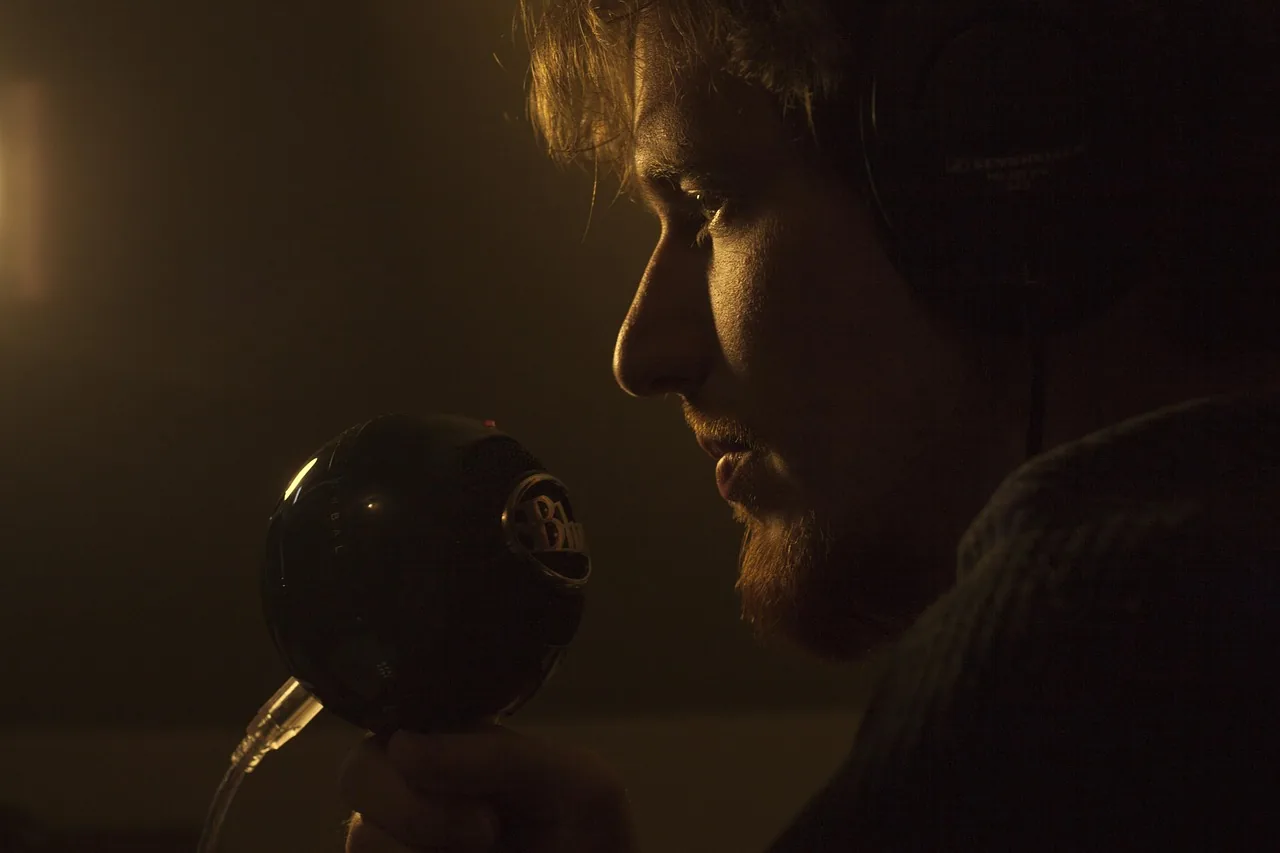
“Creating a sonic identity has become essential as audio reaches people through more channels, including videos, TikTok, and digital audio ads.”
| Element | Role | Characteristics |
|---|---|---|
| Theme music | The station’s audio signature | Memorable, distinctive, short (2 to 4 seconds) |
| Jingles | On-air station imaging | Varies by show, time slot, and transition |
| Voice | The station’s audible personality | Tone, accent, pace, and personality suited to the target audience |
| Show name | Identifies the content | Simple, original, and catchy |
Presenting techniques and voice placement
To present a web radio show well, speak clearly and pronounce each word distinctly. Using the facial cavities to make the voice resonate improves sound quality.
A pace of 140 words per minute makes speech easier to understand. It helps to practice regularly, sound natural, and adapt your tone to the subject.
Speaking activates 45 facial muscles. It is therefore important to prepare before going on air. This contributes to high-quality radio presenting and clear diction.
“93% of everyday communication is nonverbal. Attitude and facial expression play an essential role in radio presenting and voice placement.”
Breathing deeply helps give your voice strength. Stay well hydrated to maintain a clear voice and a smooth speaking pace.
Recording practice sessions helps you correct mistakes. Speaking slowly and clearly is essential for listeners to understand you. Even a smile can convey warmth over the phone.

Broadcasting strategies and listener engagement
Listener engagement is crucial to the success of a web radio station. Social media is essential for promoting the station and connecting with listeners. Create an appealing visual profile and use relevant hashtags to increase visibility.
Adding video content can also strengthen listener engagement.
Using social media
Social media helps build close relationships with listeners. It is important to monitor their feedback and respond promptly. This strengthens their sense of belonging and helps retain the audience.
Interacting with the audience
- Organize contests, quizzes, and other interactive activities to encourage listeners to take part.
- Encourage listeners to share comments, suggestions, and live reactions.
- Involve listeners in program planning by asking about their preferences.
Managing listener feedback
Analyzing listener feedback is crucial to refining the programming. It helps you understand what listeners expect and respond appropriately.
| Strategy | Goal | Result |
|---|---|---|
| Using social media | Promote the web radio station and interact with listeners | Increase the station’s visibility and retain listeners |
| Interacting with the audience | Encourage listener participation and engagement | Build an emotional connection and strengthen the community |
| Managing listener feedback | Understand listeners’ expectations and improve their experience | Refine the programming and retain listeners |
By adopting these strategies, web radio stations can build strong relationships with their listeners. This supports the long-term success of their programming.

“Interacting with your audience is the key to building an engaged community around your web radio station.”
Conclusion
Creating a successful web radio station takes a lot of work. You need to understand the available formats and build a good media library. It is also important to comply with the law and create a unique sonic identity.
Presenting techniques are crucial for captivating listeners. Retaining them is equally essential. This calls for innovative broadcasting strategies and ongoing interaction.
The media world is changing rapidly, and more people are listening to music and watching videos online. This gives web radio stations opportunities to stand out. By focusing on content quality and originality, they can succeed over the long term.
In short, running a successful web radio station takes work, strategy, and adaptability. It is an exciting challenge for anyone who wants to stand out in this competitive field.
FAQ
What are the main web radio formats?
How do you build an effective media library for a web radio station?
What are the key elements of successful web radio programming?
What legal issues and copyright rules should a web radio station consider?
How do you create a unique sonic identity for a web radio station?
What presenting and voice placement techniques help a web radio station?
How can you engage listeners and promote a web radio station?
Source links
- https://en.wikipedia.org/wiki/Internet_radio
- https://www.media-diversity.org/additional-files/documents/A Guides/How to produce a Radio Soap Opera for Conflict prevention/How to produce a Radio Soap Opera for conflict prevention part 1 [FR].pdf
- https://en.wikipedia.org/wiki/Radio_France
- https://radiotoday.co.uk/radio/industry/
- https://en.wikipedia.org/wiki/Campus_radio