
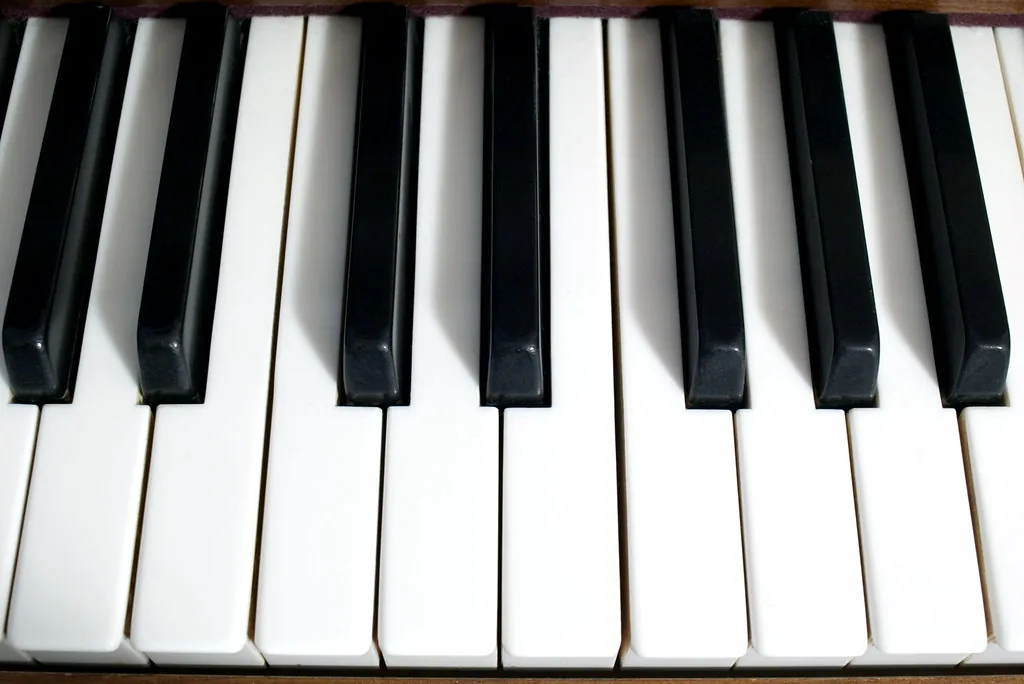
At a glance: this portable model aims to bring a genuine compact piano into the living room, with an 88-key PHA-4 keyboard and an ivory-feel finish. It combines 96-note polyphony with the SuperNATURAL sound engine for expressive sound suited to daily practice.
Strengths: careful construction, modern connectivity (Bluetooth MIDI, USB), and a low weight that makes it easier to move. A package with the KSCFP10 stand turns it into an elegant instrument for the living room.
This article offers a structured review: a quick verdict, playing experience, specifications, learning uses, prices, and alternatives to consider in 2025. For more practical details, see our complete guide to the model.
Why the Roland FP-10 is still attracting attention in 2025
This model remains a benchmark because it brings technology from higher ranges into a very accessible format.
The keyboard uses the PHA-4 Standard action and the SuperNATURAL sound engine, delivering a playing experience and expressive sound usually expected from more expensive instruments.
Compact (128.4 × 25.8 × 14 cm) and light (12.3 kg), it fits easily into small spaces. Bluetooth MIDI and USB connectivity make it easier to study, compose, and record on a tablet or computer.
Key points for musicians:
- 88 keys with progressive weighting and escapement;
- an ivory-feel finish for a realistic sensation;
- 2 × 6 W amplification for home use; headphones recommended.
“An instrument that strikes a real balance between quality, compactness, and price.”
Generally sold for under €500, this model remains attractively priced for an entry-level instrument. Its consistent sound, convincing keyboard, and essential features explain its staying power.
For more details and practical figures, see our dedicated guide to the model.
Quick verdict and who this digital piano is for
Quick verdict: ideal for beginners and self-taught players who want a reliable, ready-to-play instrument with a good keyboard and convincing sound.
It also suits intermediate players looking for an instrument for daily practice. The combination of the PHA-4 action, 96-note polyphony, and Twin/Duo modes supports learning and playing together.
Key features for practice: a built-in metronome, transposition, Bluetooth MIDI and USB connectivity, and a feel close to that of an acoustic piano. These options make it easier to use learning apps and digital audio workstations.
Limitations to know: the 2 × 6 W speakers are not powerful enough for the stage, and there are no dedicated line outputs. For a home studio or live performances, consider the higher-tier FP-30X, which offers more sounds and line outputs.
Practical tip: use good headphones to make up for the limited speaker power. Overall, this model offers excellent value for the price in its range and helps players build a solid technical foundation.

Playing experience: touch, sounds, and dynamic response
The experience begins with the first note. The keyboard combines progressive hammer action, perceptible escapement, and an ivory-feel finish that improves grip and comfort.
PHA-4 Standard keyboard with progressive hammer action
The graded key weight makes the lower notes heavier and the higher notes lighter. High-resolution sensors capture every nuance of your playing.
The result: fast repetitions and more precise control of legato and staccato during technical practice.
SuperNATURAL sound engine: expression and nuance
The engine simulates acoustic behavior with smooth transitions and convincing resonances. Note attacks sound natural, while decays retain their character.
The sounds are expressive without editing, helping players engage with music right away.
96-note polyphony for dense passages
Polyphony prevents notes from being cut off in full chords and arpeggios. Sustained notes remain stable, even in complex passages.
“An instrument that responds the way you expect a real piano to.”
The keyboard and sound engine work together consistently across the full key range. It is a rewarding experience suited to classical and modern repertoire.
Essential specifications for making the right choice
Let’s look at the specifications that matter most when choosing a piano. They show whether this model will meet your needs for study and daily practice.
Keyboard and feel
The 88-key PHA-4 Standard keyboard with escapement feels close to an acoustic instrument. Its progressive weighting supports legato practice and repeated notes.
Sound library
The selection includes between 9 and 15 sounds, depending on whether you use the panel or the app: acoustic pianos, electric pianos, organs, strings, harpsichord, and vibraphone.
Amplification and pedal
The built-in 2 × 6 W amplification is sufficient for quiet indoor use. Headphones noticeably improve the sound. A basic sustain pedal is included; the model also supports the DP-10 for half-pedaling and finer sustain control.
Design, connections, and transport
Dimensions: 128.4 × 25.8 × 14 cm. Weight: 12.3 kg, making the instrument easier to set up and move occasionally.
- Connections: Bluetooth MIDI, USB to computer, 3.5 mm headphone output, and pedal input.
- No dedicated line outputs.
- Option: KSCFP10 stand for a neat fit in the living room.
| Item | Specification | Recommended use | Note |
|---|---|---|---|
| Keyboard | 88 PHA-4 keys, escapement | Technical practice and expression | Feel close to an acoustic piano |
| Sounds | 9 to 15 sounds (acoustic pianos, electric pianos, organs, strings) | Versatility across styles | Additional sounds through the app |
| Amplification | 2 × 6 W, 3.5 mm headphone output | Home use, quiet practice | Headphones recommended for more detailed sound |
| Transport | 128.4 × 25.8 × 14 cm • 12.3 kg | Easy to set up and move | Compatible with the KSCFP10 stand |
Conclusion: these specifications cover the essentials for learning and improving. They prioritize keyboard feel, a useful sound selection, and a practical format.
Connectivity and ecosystem: Bluetooth, USB, and apps
Connecting the instrument to apps and a computer opens up new musical possibilities. Its connections simplify learning, recording, and creating.
Bluetooth MIDI provides a wireless connection to a tablet or an Android or iOS smartphone. You can control educational apps and virtual instruments without a cable. Pairing is simple and stable for everyday use.

USB to computer: MIDI control and recording
The USB-to-computer port connects the keyboard to a computer to send MIDI data. It is ideal for recording tracks, controlling plug-ins, and working in a digital audio workstation.
Piano Partner 2 and GarageBand: extra sounds and creativity
The Piano Partner 2 app provides access to additional sounds, enables layer and split modes, and offers learning tools. It also makes it easier to adjust settings from a tablet.
Apple GarageBand offers simple recording, accompaniments, and a quick way to create demos. Together, these tools expand your creative options.
- The 3.5 mm headphone jack can serve as an audio output to a speaker or amplifier when needed, although dedicated line outputs are absent.
- Uses include remote lessons, rhythm practice, and recording ideas on the fly.
- Tip: keep a reliable USB cable and an audio interface handy if you move into studio work.
In practice, this ecosystem turns the keyboard into a portable tool for making music at home and on the go.
Features for learning and daily practice
The built-in tools support steady progress, even for beginners. The keyboard offers easy-to-use features that help structure each session.
Twin/Duo mode for student and teacher
Twin/Duo mode splits the keyboard into two identical zones. Each player has a middle C and can play in the same register.
It is ideal for student-teacher sessions: separate-hand practice, immediate corrections, and focused listening through headphones.
Metronome, transposition, and playing modes
The built-in metronome lets you set the tempo, time signature, and volume for precise rhythm practice.
Transposition lets you adapt a key to a singer’s voice or simplify a passage without changing the fingering.
Practical features:
- Adjustable headphone output for both zones in Twin mode.
- Included sustain pedal; optional DP-10 pedal for half-pedaling.
- Compatibility with the Piano Partner 2 app for a wider range of exercises and sounds.
Suggested practice plan: warm up, practice each hand separately in Twin mode, work with the metronome, then put the passages together.
These features make progress measurable and learning enjoyable. They support regular improvement with a setup that works for both teacher and student.

Prices, packages, and availability in France
Comparing prices and accessories helps you assess the real value of a keyboard in this range.
Observed price range: the instrument generally costs less than €500 in France, often around €398 to €399 depending on the retailer. These offers make it particularly good value.
Recommended package: the KSCFP10 stand turns the instrument into a stable, elegant piano. Packages with a bench, headphones, and an upgraded pedal are appealing if you want to start playing at home right away.
Its low weight makes delivery and setup easier in an apartment home. The headphone output is useful for playing without disturbing neighbors.
Where to buy:
- Specialist music stores: try the keyboard in person.
- Established online shops: compare prices, delivery times, and warranties.
- Watch for seasonal promotions to get the most value from your purchase.
| Item | Observed price | Benefit | Tip |
|---|---|---|---|
| Instrument only | About €398 to €399 | Best value | Compare shipping costs |
| Package with KSCFP10 | Additional cost for the stand (varies) | Appearance and stability | Check how much the package saves |
| Complete packages | Varies by accessories | Ready to play at home | Choose a bench and an upgraded pedal |
| In-store purchase | Store price | Chance to try the keyboard | Test the feel before buying |
Tip: compare warranty, trial, and return terms before buying. Trying a display instrument remains the best way to confirm your choice.

Roland FP-10: Review and Digital Piano Alternatives
In today’s market, this model stands out for its balance of realistic touch and compact size. The PHA-4 keyboard and SuperNATURAL engine deliver a feel and sound that appeal to beginners and regular players alike.
Strengths: convincing touch, expressive sounds, Bluetooth MIDI, and easy connection to a computer. Its compact size and price make it a practical choice for learning at home.
Limitations: the 2 × 6 W amplification is modest, and dedicated line outputs are missing. These constraints become more significant on stage or in a home studio.
Quick comparisons
Yamaha P-45/P145: decent GHS action, though less refined than the PHA-4; a less nuanced AWM sound engine; often a slightly lower price.
Casio PX-S1100: ultra-slim design, Smart Scaled Hammer Action and AiR sound engine, Bluetooth audio and MIDI, plus line outputs for light studio use.
FP-30X: a higher-tier version with more sounds, greater polyphony, and two jack line outputs, making it better suited to the stage and recording.
In summary: this model remains a very good choice for learning and home use. For playing with a group or working in a studio, choose an instrument with line outputs and more powerful amplification.
Conclusion
In short: a compact instrument focused on playability and reliability. The PHA-4 hammer-action keyboard, SuperNATURAL engine, and 96-note polyphony provide a convincing feel and expressive sound.
The 2 × 6 W speakers are sufficient at home, but headphones noticeably improve the sound. Bluetooth MIDI, USB, and the Piano Partner 2 app open up possibilities on tablets and computers.
For learning or serious amateur playing, this entry-level model remains excellent value. Consider the KSCFP10 stand and an upgraded pedal for greater comfort. For the stage or a home studio, choose an instrument with line outputs and more sounds.