
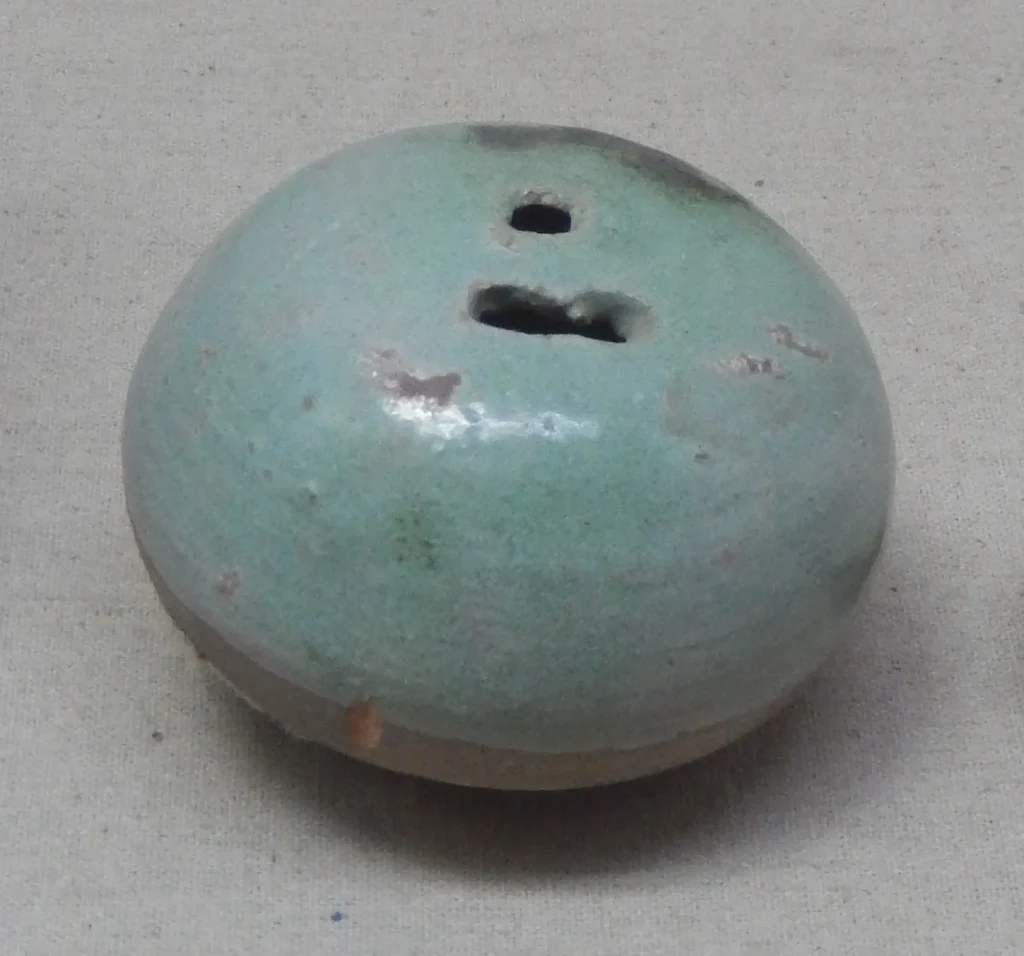
An ancient wind instrument, the ocarina has a history spanning more than 12,000 years. Pre-Columbian, Chinese and European civilizations shaped it into many forms. Today, it holds a distinctive place among musical instruments.
Its renewed popularity also owes much to Zelda: Ocarina of Time. After the game was released in 1998, ocarina sales rose by 300%. Its influence draws new musicians who are curious about the instrument’s gentle, expressive sound.
Clay remains a popular choice for its feel, finish and rich sound. Makers such as Songbird and STL now offer carefully crafted models. A useful guide should also compare ceramic, plastic and wood according to how the instrument will be used.
Models have between 4 and 12 holes. Multichamber ocarinas are intended for more advanced musicians. The following sections explain the differences to help readers find an instrument that suits their music. For another perspective, explore the plastic ocarina as well.
Ceramic ocarina: why choose this material?
Before it became a decorative object, the ocarina had a long history. Pre-Columbian and Chinese civilizations were already using it in ancient times. Giuseppe Donati later standardized the transverse model in 1860.
The way it works is simple but precise. Air passes over an edge and makes the air in the internal chamber vibrate according to the Helmholtz principle. Shape, tuning and the precision of the holes directly affect the notes.
A wind instrument with a long history
Modern ocarinas retain this compact structure. Their designs vary by workshop, key and number of holes. Songbird and STL, in particular, continue a tradition of craftsmanship valued by musicians.
How ceramic affects resonance and sound
The natural porosity of ceramic can reduce condensation. This can help produce a consistent response and clear notes. Sound quality also depends on careful tuning, however. A 12-hole model generally covers nearly an octave and a half.
“Breath becomes music when the instrument’s shape guides the air precisely.”
| Element | Role | Useful reference |
|---|---|---|
| Internal chamber | Produces resonance | Helmholtz principle |
| Twelve holes | Extends the range | About 1.5 octaves |
| Fired ceramic | Limits moisture | Stable sound response |
The advantages of ceramic ocarinas for musicians
For many musicians, sound is the first consideration. A well-tuned ocarina has a clear, warm and expressive tone. According to STL, ceramic produces a sound up to 20% richer than plastic.
A clear, warm and expressive sound
Songbird’s “Imperial City” model, priced at €199, illustrates this pursuit of quality. It suits both solo and ensemble playing. Songbird draws on more than 25 years of experience.
Varied designs and an attractive finish
Glazes, engravings and original shapes give the instrument a striking appearance. Each finish reinforces its handcrafted character. Twelve-hole ocarinas also appeal for their ergonomics: 90% of teachers recommend them for learning.
Good stability when humidity changes
Jean Dupont, a teacher at the Paris Conservatory, notes that ceramic is more thermally stable than wood. Its response therefore remains more consistent as humidity changes. To weigh the advantages and disadvantages, also consider durability, price and intended use.
| Criterion | Main advantage | Reference |
|---|---|---|
| Sound | Rich, expressive tone | 20% according to STL |
| Finish | Glazes and engravings | Imperial City: €199 |
| Ergonomics | Easier to learn | 12 holes recommended |
Drawbacks to consider before choosing a ceramic ocarina
Despite its sound quality, this instrument needs some care. The balance of advantages and disadvantages depends mainly on transport, storage and everyday use.
Fragility, impacts and the risk of cracks
Its stated resistance is 300 g/cm², compared with 900 g/cm² for plastic. An impact can therefore cause chips or cracks. Without a suitable case, 35% of instruments are damaged during their first journey.
Temperature changes also call for caution. A change of more than 5°C per hour can cause cracks. Let the instrument adjust to room temperature before playing, especially after travelling in winter.
Suitable care, cleaning and storage
Mountain Ocarinas recommends dry cleaning. Avoid water, prolonged moisture and harsh products, which can cause problems inside the chamber. Simply wipe away marks with a soft cloth, then allow air to circulate.
A padded Thomann case, priced at €29, offers effective protection for fragile models. For ocarinas, cork-lined storage with silica gel can also help stabilize humidity. To compare them with durable plastic models, consider how you transport and play your instrument.
Ceramic or plastic ocarina: what is the difference?
The best choice depends chiefly on where you play, your budget and how much care you can give the instrument. Manufacturing has more influence on quality than material alone. Two ocarinas can therefore sound similar despite being made differently.
Sound quality and the material’s actual influence
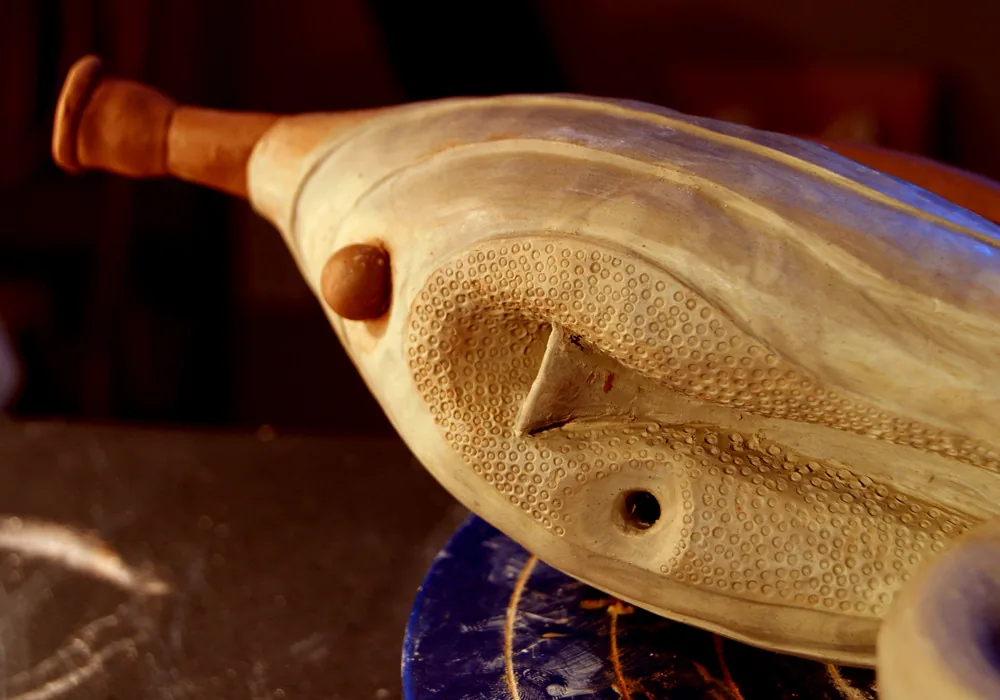
A well-tuned model can perform reliably whether it is made from plastic or ceramic. The Night by Noble, priced at €59, is an accessible option. Its tuning, however, drifts by 15 cents after six months. The €129 El Dorado holds its tuning better over time.
“Precision in manufacturing often matters more than the material used.”
Weight, strength and ease of transport
At 150 g, a plastic model is easy to take on journeys, to lessons and on trips. A ceramic model weighs around 300 g. Its stated impact resistance is limited to 300 g/cm², compared with 900 g/cm² for plastic. A plastic model therefore withstands drops better, is more suitable for children and tolerates detergents better. Also weigh durability, maintenance and environmental impact when choosing.
| Criterion | Plastic | Ceramic |
|---|---|---|
| Average weight | 150 g | 300 g |
| Price quoted | €59 | €129 |
| Impact resistance | 900 g/cm² | 300 g/cm² |
Ceramic or wooden ocarina: which material should you choose?
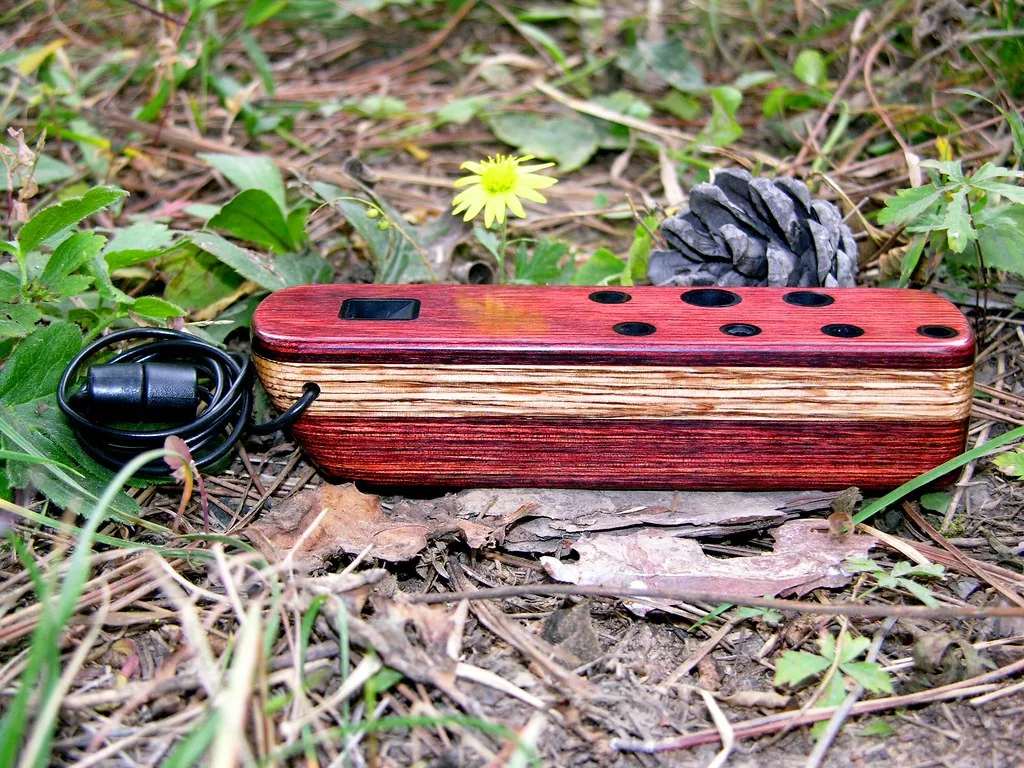
Tone often guides the decision. Wood has a natural, warm and nuanced voice. Ceramic tends to produce a clear, precise and focused sound. For intimate music, each option has its own character.
Natural tone, sensitivity to humidity and durability
Wood requires attentive care. Cracks can appear when relative humidity reaches 70%. Oberon advises regularly checking the environment to protect its maple models. Keep the instrument away from radiators and very damp rooms.
According to Jean Dupont, ceramic remains more stable when temperatures vary. It is also less expensive to maintain: wooden models require, on average, an additional 40% in maintenance costs. Plastic retains an advantage for travel, though its tone can seem less lively.
“Wood appeals for its natural character, while ceramic offers reassuring stability.”
The difference comes down to feel, sound quality and the effects of climate. For more detail, read this comparison of flutes and duct instruments.
| Criterion | Wood | Ceramic |
|---|---|---|
| Tone | Warm and natural | Clear and precise |
| Humidity | Monitor from 70% | Greater stability |
| Durability | More costly maintenance | Simple storage |
How should you choose a ceramic ocarina for the way you play?
The right instrument should suit your skill level, travel needs and style of music. Before buying, compare quality, comfort and performance. A guide to choosing your first ocarina can also explain the characteristics of each range.
A suitable model for beginners and learners
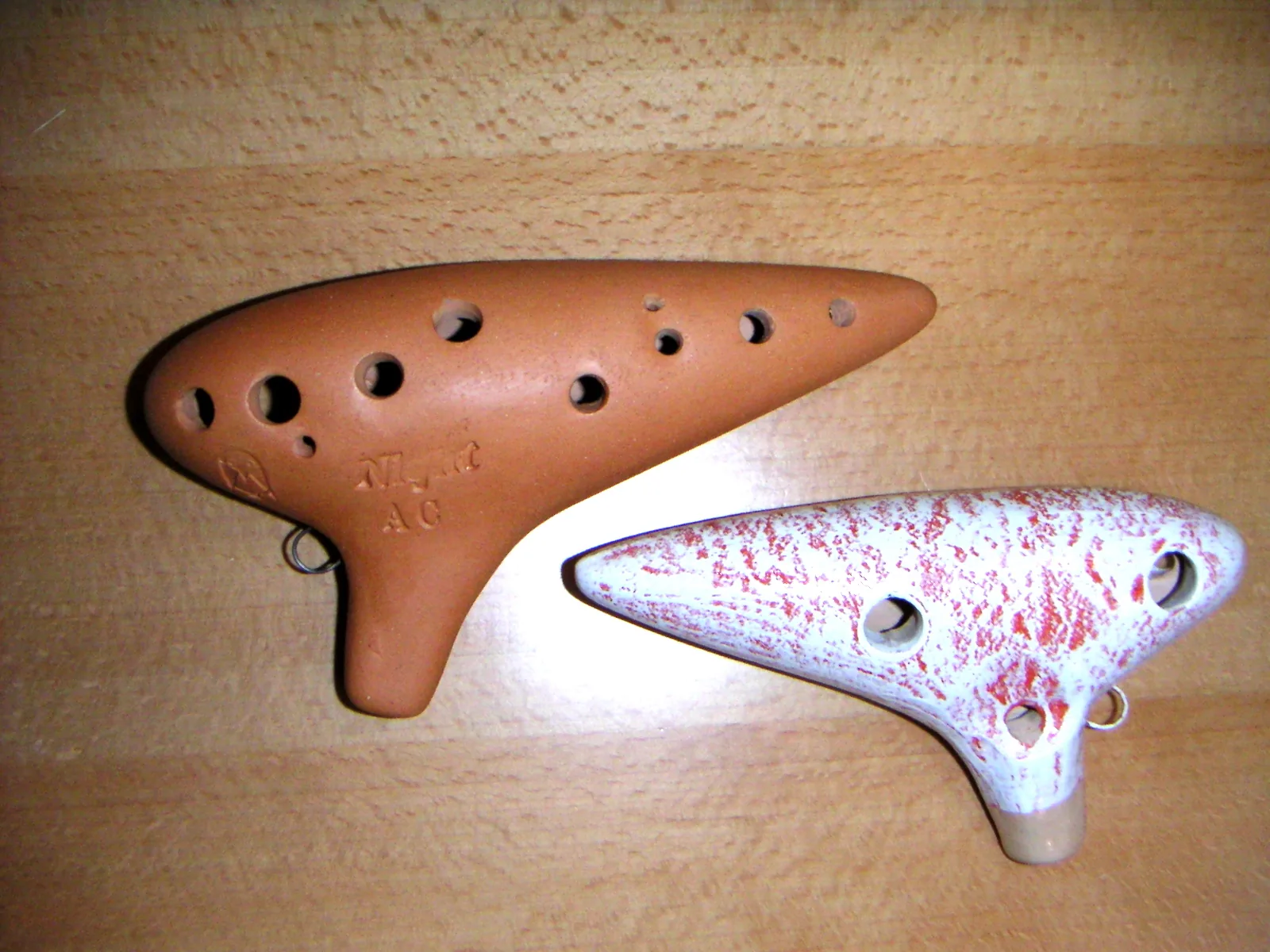
Twelve-hole models offer a gradual introduction to the notes. Nearly 90% of teachers recommend them for their ergonomics. Songbird also offers a Double Chamber system covering 2.5 octaves. The STL Alto C has a rating of 4.8/5 from 350 reviews.
What to consider for outdoor playing or travel
Ceramic appeals for its sound, but plastic withstands impacts better. Plastic models therefore suit frequent travel. Check the case, weight, water resistance and ease of cleaning.
Number of holes, key, ergonomics and budget
- Choose C major when starting out.
- Compare the openings, holes and how each model feels in your hands.
- Check the warranties, which often range from 2 to 5 years.
- Try several models in Paris or Lyon: 40% of musicians appreciate their choice more after trying an instrument.
Conclusion
The best choice depends on your everyday needs. Ceramic offers a clear sound, an attractive finish and welcome thermal stability. It suits musicians who value tone and durability, despite some drawbacks related to impacts.
Plastic remains light and strong. It suits beginners, children and travellers. Wood appeals for its warmth, but its sensitivity to humidity calls for regular care. A budget of at least €100 can help you find a reliable instrument that will support your progress.
After two years, multichamber ocarinas can extend your range. The Ocarina Network, with its 15,000 members, helps players compare models and extend the life of their ocarinas. For more detail, read our guide to ceramic ocarinas. An informed choice can support enjoyable, lasting music-making.