
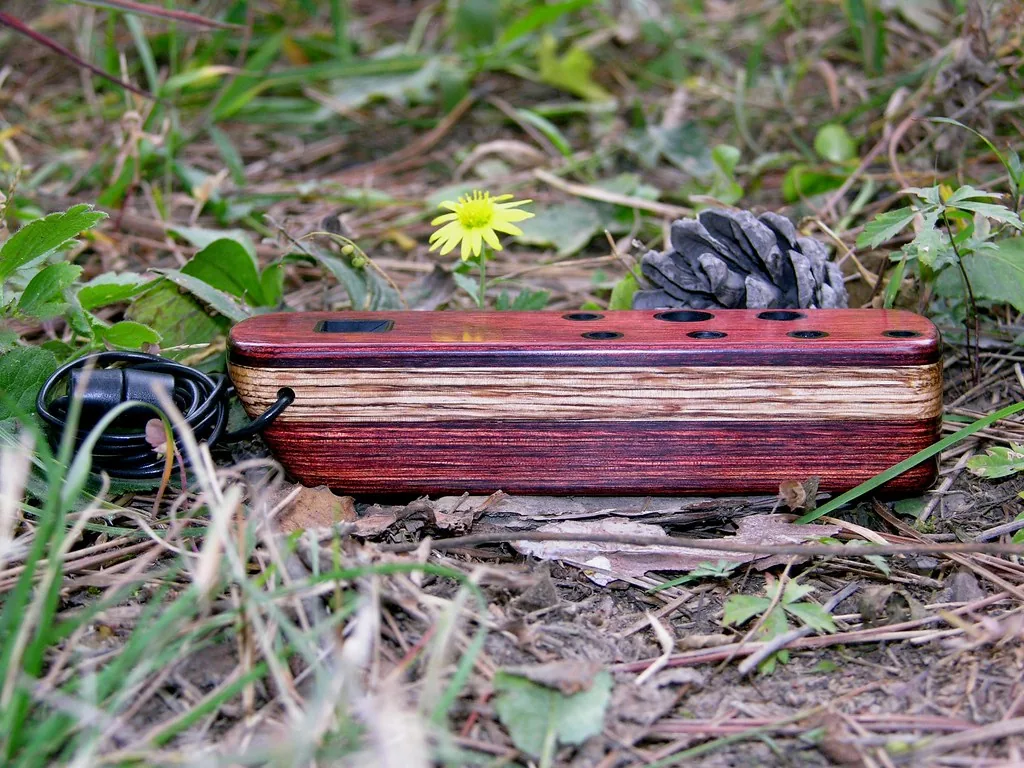
An ancient wind instrument, the ocarina has a history stretching back more than 12,000 years. The Maya and Aztec peoples already used instruments resembling its present form. In 1860, Giuseppe Donati modernized the transverse version, which many musicians enjoy today.
Its image also changed thanks to The Legend of Zelda. Since 2015, public interest has reportedly driven a 300% increase in sales. This popularity attracts beginners, but it also makes choosing one more difficult.
This guide compares wood and ceramic in terms of sound quality, weight, range, number of holes, care and budget. Craftsmanship matters as much as material: some inexpensive instruments are poorly tuned.
Before buying, check the instrument’s tuning and how it feels in your hands so you can practice regularly. To learn more about materials, read this guide to plastic ocarinas. It can help you choose according to your skill level, musical use and learning goals.
Understanding the ocarina and how to compare models
Before comparing materials, it helps to understand the roles of breath, finger holes and range. These basics make choosing easier, especially for beginners who want to learn to play.
How it works, finger holes and range
Your breath directs air toward the edge of the windway. Fingering covers or uncovers the holes, changing the pitch. Four-hole versions suit initial exercises. Six-hole models already offer a range of 17 notes, while twelve-hole models can reach up to 21 notes.
- Single-chamber: quick to learn and easy to handle.
- 12 holes: a wide range useful for common sheet music.
- Double: around 2 octaves, for more experienced players.
- Triple: nearly 3 octaves, with more complex fingerings.
Consistent breath matters as much as accurate fingering.
Choosing for your musical needs
For beginners, an alto in C, also called “Tenor in C,” offers a versatile key. Before buying, check the tuning, weight, ergonomics, material quality and resistance to impacts. A plastic model can be useful outdoors. To better understand how to choose, read this buying guide.
Wooden ocarina: how does it differ from a ceramic model?
Material affects how the instrument feels, but the shape of the chamber remains crucial. The Helmholtz acoustic principle explains how this instrument produces sound. Each option therefore deserves careful consideration.
The essential properties of each material
Ceramic is often made from fired clay. Its porosity can limit condensation. Wood has a warm feel and a natural finish. Plastic remains practical for beginners, especially outdoors.
Differences in construction and finish
Wooden pieces are often shaped by hand. Some rare woods account for prices above €200, particularly for Hind ocarinas. Ceramic allows for glazes, engravings and decorative shapes. More affordable models often cost €35 to €60.
How material affects the playing experience
Sound quality also depends on airtightness, the number of holes and control of the notes. Consistent firing improves accuracy. The finish therefore affects durability, resistance to impacts and playing comfort.
| Criterion | Wood | Ceramic | Plastic |
|---|---|---|---|
| Typical price | Often over €200 | €35 to €60 | Affordable |
| Finish | Handcrafted and unique | Glaze or engraving | Standardized |
| Main advantage | Natural feel | Decorative variety | Practical durability |
Sound quality: tone, projection and accuracy
The character of a melody emerges from its first note. For this instrument, sound quality depends on tone, attack, sustain, projection and tuning.
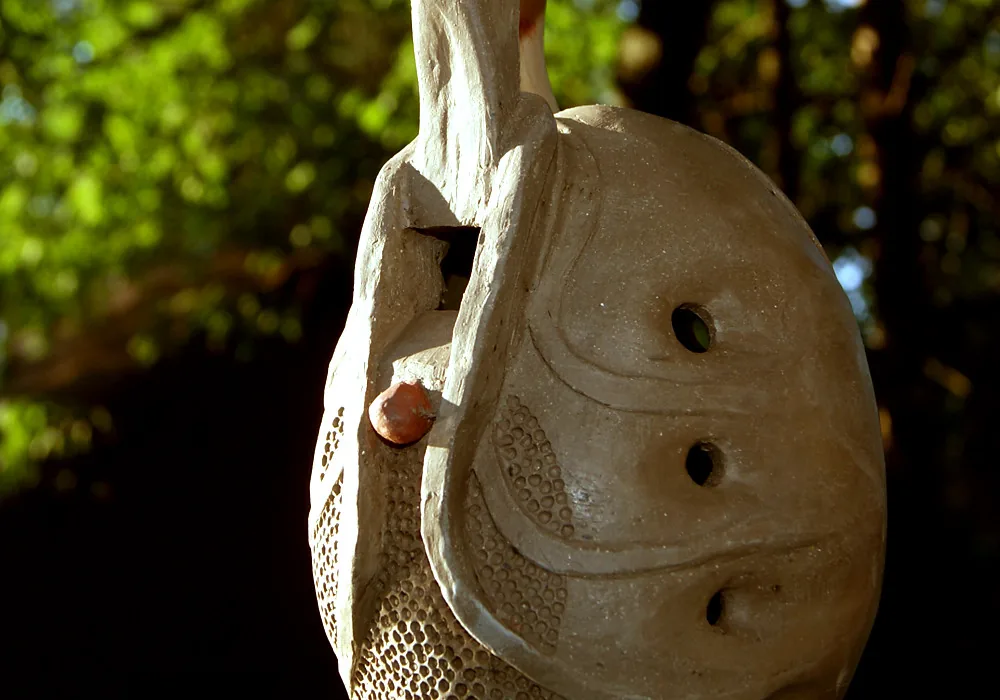
The warm, organic sound of wood
Wood creates a warm, organic tone. Its gentle attack suits solos, acoustic passages and intimate music. Its nuanced response enriches the playing experience.
The clarity and projection of ceramic
Ceramic offers clear projection and stable tuning. This clarity helps in studio recordings, where each note needs to be predictable. The choice therefore depends on the character you want, rather than material alone.
Good sound quality starts with a well-designed chamber and accurate tuning.
Shape, the windway edge and key affect the available range. Compare demonstrations recorded under similar conditions to judge each ocarina’s accuracy, sustained notes and projection.
| Criterion | Wood | Ceramic |
|---|---|---|
| Tone | Warm and organic | Clear and stable |
| Projection | Gentle and nuanced | Clear and direct |
| Recommended use | Solos and intimate music | Studio and ensemble |
Weight, ergonomics and playing comfort
How you hold the instrument day to day directly affects finger accuracy and the pleasure of playing. During a long session, even a few grams can also make fatigue set in sooner.
Matching the instrument to your hand size
Some wooden models are up to 40% lighter than their ceramic equivalents. A 250 g instrument can therefore feel easier to hold for several dozen minutes. However, some players appreciate the stability that a denser material provides.
A 300 g ocarina, a 250 g wooden model and a 150 g plastic version do not feel the same. Precise playing also depends on the spacing of the holes, the mouthpiece and the instrument’s overall size.
- Small hands: closely spaced holes and a compact body.
- Long sessions: lower weight to reduce strain.
- Young beginners: try the instrument in a shop before making a final choice.
Test your thumb position, each finger’s reach and the steadiness of your breath. These checks make playing smoother and help prevent tension.
| Material | Approximate weight | Comfort benefit |
|---|---|---|
| Ceramic | About 300 g | Firm, stable support |
| Wood | About 250 g | Comfort over longer sessions |
| Plastic | About 150 g | Easy to carry and transport |
Impact resistance and material durability
Transport quickly reveals how sturdy an instrument really is. Ceramic has a stated resistance of 300 g/cm², compared with 900 g/cm² for plastic. No material is indestructible, however.
Wood generally withstands knocks better and suits outings, but it is vulnerable to moisture. A temperature change exceeding 5°C per hour can also crack ceramic. About 35% of instruments sustain damage on their first journey without a protective case.
The best protection is a hard case lined with suitable foam. Pay particular attention to temperature changes. Let each instrument acclimate before playing.
- Inspect the mouthpiece and holes before each session.
- Check for air leaks if the airflow seems inconsistent.
- Keep ocarinas away from heat sources.
- Choose sturdy models for travel.
Regular checks help preserve sound quality. Gentle care also limits wear. For outdoor playing, wood offers a good balance, while plastic remains the most forgiving choice.
| Option | Stated resistance | Main precaution |
|---|---|---|
| Ceramic | 300 g/cm² | Avoid drops and temperature swings |
| Wood | Good tolerance of drops | Watch humidity |
| Plastic | 900 g/cm² | Check the holes for wear |
Which ocarina should you choose for your skill level and repertoire?
Your playing level and repertoire quickly narrow the choice. Consider range, fingering, weight and budget. Regular practice also calls for an instrument that is easy to handle.
The right format for beginners
A 12-hole alto in C remains a versatile first instrument. It lets beginners play accessible melodies fairly quickly. Ceramic can also be reassuring: 78% of beginners reportedly prefer it for its stable tuning and ease of playing.
- First purchase: an alto in C with 12 holes and clear fingering.
- Learning: simple sheet music and moderate breath pressure.
- After a few months: develop a wider range of expression.
Options for experienced musicians
After one or two years of practice, wood can appeal for its tone, dynamics and expressiveness. Double- and triple-chamber models extend the range. They are best suited to musicians familiar with complex fingerings.
Consult reviews, audio demonstrations and established brands: STL, Musique de Terre, Stein/Focalink, Spencer and Hind. OCTalk, followed by nearly 150,000 subscribers, can also help you learn to play systematically. Sound quality should guide every purchase.
Range, tuning and number of holes to consider
Range determines which melodies an instrument can play, the pitches available and its role in an arrangement. It should therefore suit your intended repertoire, breath control and skill level.
Why an alto in C is a versatile choice
An alto in C, also called “Tenor in C,” offers an excellent balance for beginners. Its range covers many common pieces. With 12 holes, it can produce up to 21 notes, depending on its design and fingering.
- Moderate breath pressure: an accessible way to build control.
- Extended range: varied melodies and simple accompaniments.
- Tuned in C: easier reading of sheet music.
When to choose a soprano, tenor or bass
A soprano suits high, fast passages but requires precise breath control. Tenor and bass models are better suited to slow pieces, deep accompaniments and expressive music. Double-chamber models cover nearly two octaves; triple-chamber models reach about three octaves.
Before buying, check the stated range, the layout of the holes and the instrument’s actual tuning.
| Type | Register | Recommended use |
|---|---|---|
| Soprano | High | Fast passages |
| Alto in C | Middle | Common repertoire |
| Tenor or bass | Low | Slow pieces and accompaniment |
Established brands, models and budget before buying
The seller matters as much as the material. Established brands often publish clear specifications, demonstrations and advice to guide your choice.
Reliable ceramic options
STL, Songbird, Stein/Focalink and Musique de Terre make consistently performing instruments. Dinda serves the entry level, at €35 to €60. Stein/Focalink tends to span €40 to €150. Check the range, holes and tuning quality before buying.
Wood specialists and artisans
Hind caters to musicians seeking a handcrafted finish. Its instruments often cost more than €200. That price reflects the handwork, tone and durability. Spencer offers another option, depending on your repertoire and level.
What to check when buying online
Ask for a video demonstrating the full range, sustained notes and tuning stability. A 2022 study reports that 87% of ocarinas sold on AliExpress are poorly tuned. Favor verified reviews and specialist sellers.
- Check the serial number and two-year statutory warranty.
- Check the 14-day return conditions in the European Union.
- Add a €29 Thomann case to reduce the risk of impact damage.
To learn more, consult the official guide and technical specifications before making your final purchase.
Care and storage for a wooden or ceramic ocarina
After each session, a few simple steps preserve sound quality and limit wear. This care routine is quick, even after a long session. For more information, see this detailed care guide.
Cleaning and protecting a ceramic model
After playing, wipe the surface with a microfiber cloth. For stubborn marks, a small amount of 70% isopropyl alcohol may help. Avoid hot water and abrasive products, which can dull the glaze.
Then place the instrument in a hard case. It protects the mouthpiece, holes and chamber from dust and impacts. Keep ocarinas away from radiators and sunlight, too. A temperature rise of more than 5°C per hour can cause a crack.
Preserving wood with oil and humidity control
Wood needs stable relative humidity, between 45% and 55%. A suitable oil or wax may be applied every 6 months, but only according to the maker’s or brand’s recommendations. A cork case with silica gel helps stabilize storage conditions.
These precautions make care easier and help preserve tuning. When buying, check the recommendations for the specific models you are considering.
Conclusion
For beginners, a 12-hole alto in C remains a good choice. Its versatile range makes learning simple and gradual. This format suits several styles of music.
Ceramic often favors projection and stability. Wood tends to offer warmth, lightness and expressiveness. Each musician should therefore consider their repertoire, budget and transport needs.
Before buying, check tuning, construction, ergonomics and note range. Sound quality matters more than appearance. The number of holes should also suit your skill level.
STL, Musique de Terre, Stein/Focalink, Spencer, Songbird and Hind provide useful points of reference. Their specifications can reduce the risk of a disappointing purchase.
Finally, regular care, a case and humidity control extend an ocarina’s life. To explore further, read the guide, compare official demonstrations and choose the instrument that suits your music.