
On November 21, 1998, The Legend of Zelda: Ocarina of Time made its mark on a generation. The video game brought the instrument to a wide audience. Koji Kondo composed a memorable score that immediately connects listeners with Link’s world.
Its popularity has inspired many curious players to look for their first instrument. Yet a €20 purchase from Amazon, Wish, or AliExpress guarantees neither accurate tuning nor lasting comfort. A decorative object is no substitute for a real musical instrument.
Before ordering, consider several factors: the number of holes, range, tuning, material, and budget. They affect both how the instrument feels in your hands and the quality of the melodies you play.
STL Ocarina offers models inspired by this world, with a recognizable design. This practical guide will help you find the right model for your skill level, expectations, and desire to play your favorite tunes from the game.
Zelda ocarina: Which model should you choose to play the game’s themes?
Long before online tutorials, a virtual instrument guided Link through Hyrule. Ocarina of Time was the first Zelda game to put this object at the center of the action. Released on November 21, 1998, it made video game history.
Why the instrument became iconic
Each melody opens a passage, summons a character, or changes time. Princess Zelda, Link, and the kingdom of Hyrule thus form a coherent musical world. Koji Kondo’s music is easy to remember yet full of emotion. This history of Zelda’s music offers more insight.
A short melody can be a powerful reason to keep improving.
Melodies you can play as a beginner
Zelda’s Lullaby and the main theme are good starting points. On a properly tuned instrument, you can begin playing their notes after a few weeks. The Nintendo 3DS version also offers a smoother, more ergonomic experience than the Nintendo 64 edition.
That enjoyment encourages practice, even without advanced technique. For more than twenty years, this beautiful game has remained a touchstone for Nintendo-inspired music.
Essential criteria for choosing a real instrument
Before buying, examine the sound quality, construction, and comfort. In music, good looks are not enough. A reliable instrument should respond quickly and produce each note consistently.
How to recognize a properly tuned ocarina
A wind instrument produces notes as you cover its holes. Use a chromatic tuner to check each note. Listen to the octaves too: they should sound clear. Consistent intervals often reveal careful craftsmanship.
- Check that the mouthpiece responds quickly.
- Test how comfortably and completely your fingers cover the holes.
- Compare several notes without blowing too hard.
Why you should avoid cheap marketplace models
Amazon, Wish, and AliExpress sometimes offer attractive designs, but their tuning can be uncertain. A very cheap model may produce notes that are out of tune or poorly balanced. This slows your progress and tires your ear.
A specialist maker aims for genuine musical quality and checks its instruments regularly. Be skeptical of retouched photographs. The principle is simple: an accurate note matters more than a shiny decoration.
How many holes should a beginner choose?
The number of holes affects ease of use, but it does not tell the whole story about sound quality. Age, finger spacing, and tuning matter too. Several formats are available, each suited to a particular need.
Four or six holes for a child
Four-hole and six-hole models are simple to use. A child need not stretch their fingers as far and can quickly memorize the fingerings. Despite its compact size, a six-hole instrument can produce up to 17 notes. That range is often more than enough at first.
- Quick to learn
- Lightweight
- Suitable for learning from age six
A small instrument can inspire real musical enthusiasm.
Twelve holes for more melodies
A twelve-hole model offers a range of up to 21 notes. It suits a teenager or adult who wants to play more tunes from the game. It can support several years of progress. Double, triple, and quadruple chamber versions are also available, offering an even wider range.
| Format | Maximum range | Recommended player |
|---|---|---|
| 4 holes | Simple | Young child |
| 6 holes | Up to 17 notes | Beginner on the go |
| 12 holes | Up to 21 notes | Teenager or adult |
Choose the right range for the sound you want
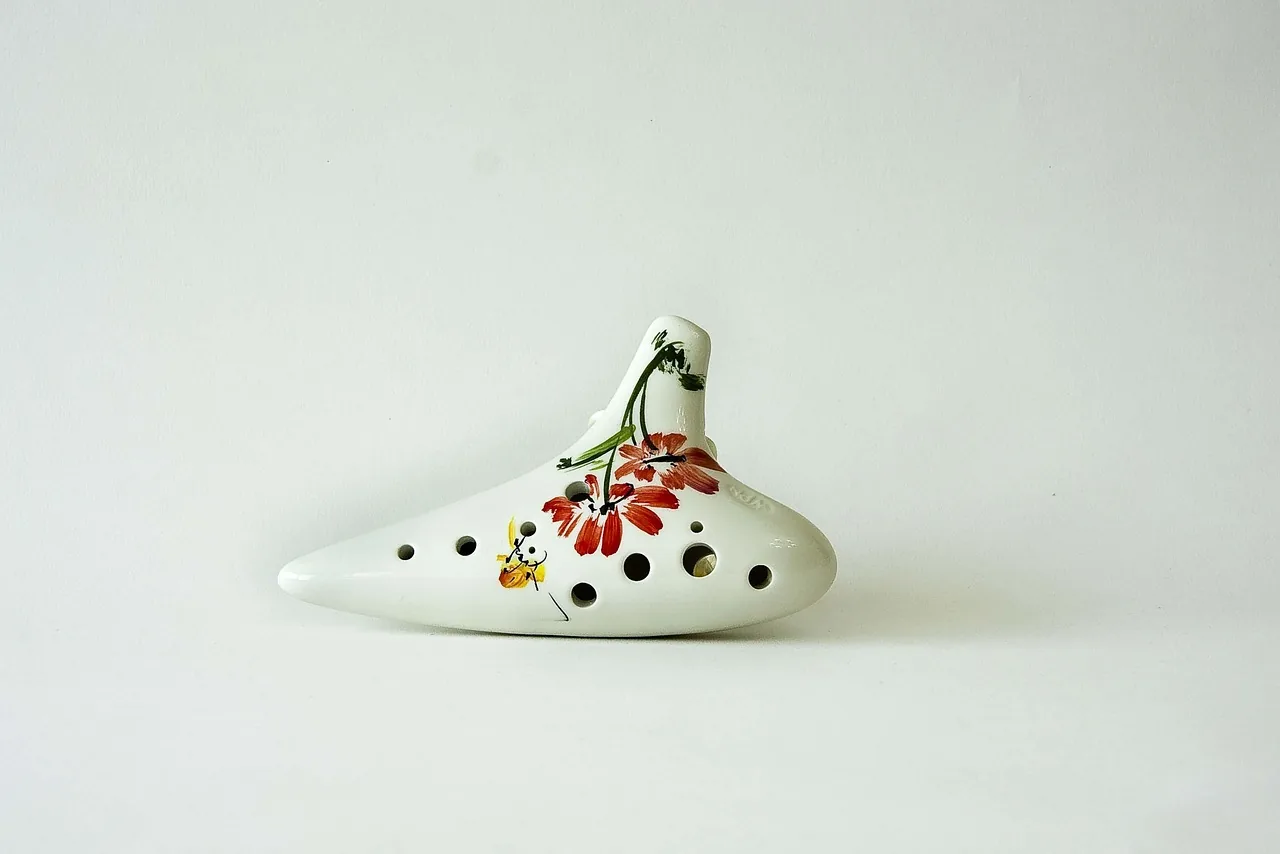
Range describes the span of notes an instrument can play. Bass, alto, and soprano registers therefore feel different to play. Their size, weight, and price vary too. Consult this guide to the best instruments before buying.
The deep, gentle sound of bass models
A bass instrument has a deep, calm, restful tone. Its larger body enriches the low notes but can make it harder to carry. It also costs more. This format is best suited to unhurried playing at home or in concert.
The versatility of alto ocarinas
An alto combines warm low notes with clear higher ones. That balance explains its popularity with both beginners and experienced musicians. At STL Ocarina, the label “Tenor in C” may refer to an alto in C. Check the exact range in the product specifications.
The high notes of soprano models
Small and often less expensive, a soprano slips easily into a bag. Its high register sounds lively and light. Its tone can, however, seem shrill after several minutes. An alto is therefore the safest choice if you want a balanced sound.
Why tuning in C suits Zelda’s themes
A clear key makes each opening note easy to follow. On an instrument tuned in C, the scale runs C, D, E, F, G, A, B, C. This familiar sequence makes the game’s famous tunes easier to read.
Beginners can memorize each fingering without immediately transposing their music. Many tabs for these tunes are designed for a twelve-hole instrument in C major. This foundation makes learning smoother and encourages regular practice.
Tuning and range describe two different characteristics.
Tuning establishes the starting key. Range determines the register and whether the sound is low, middle, or high. Common tunings include C, F, G, and B-flat. A guide to tuning an ocarina in C can help you check each note.
Before ordering, look for “12 holes in C major,” “Alto C,” “AC,” or “C3.” Labels may vary by maker or region.
| Label | Meaning | Recommended use |
|---|---|---|
| Alto C | Alto register in C | Versatile starting point |
| AC | Abbreviation for Alto C | International product listing |
| C3 | Regional designation | Confirm with the seller |
Single or multiple chambers: How many notes can you play?
A single chamber is enough for a first introduction. A double or triple ocarina, however, offers a much wider range. This lets you play more tunes without acquiring several instruments. A single-chamber model remains light and inexpensive. Besides its size, comfort depends mainly on its weight and fingering system.
What double and triple ocarinas can do
Asian fingering continues the first chamber’s range in the second. Each register picks up where the previous one ends, maximizing the number of notes. A double may be enough for some players. A triple offers even more range. A Triple C3 made by Musique de Terre spans more than two octaves.
Asian and Pacchioni fingering compared
Pacchioni fingering, invented by Giorgio Pacchioni, repeats the last two notes of one chamber among the first two notes of the next. This overlap creates a smooth transition between registers. The second transition takes time to learn, but the continuity of the sound helps.
Several approaches are available. An Asian-style double prioritizes range. A Pacchioni system emphasizes smooth connections. Compare the weight, comfort, and ease of reaching each register too.
| Format | Main advantage | Suitable player |
|---|---|---|
| Single | Lightweight | Beginner |
| Asian-style double | Extended range | Varied repertoire |
| Pacchioni double | Smooth transitions | Steady progression |
| Triple C3 | More than two octaves | Advanced player |
Ceramic, plastic, or wood: Which material should you choose?
Material affects tone, weight, and durability. It also influences maintenance and everyday comfort. How you intend to use the instrument should be your first consideration.
The sound quality and fragility of ceramic
STL Ocarina mainly makes ceramic instruments. Ceramic offers a rich sound and a decorative finish that many players appreciate. Its design can evoke a fantasy world without compromising musical use.
A fall, however, can crack the body or break the mouthpiece. A padded case is useful when traveling. Ceramic is best suited to regular playing at home.
The convenience of a plastic ocarina for travel
Plastic withstands knocks and the demands of travel better. It suits children, trips, and outdoor rehearsals, although its tone may be slightly different.
Night by Noble stands out for its matte finish and convincing sound. Wood, used by Hind Ocarina, offers visual warmth and a distinctive character. It does, however, require careful maintenance.
The best material is the one that fits your way of life.
| Material | Advantage | Limitation |
|---|---|---|
| Ceramic | Rich sound | Fragile |
| Plastic | Safer to carry | Different tone |
| Wood | Warm sound | Requires maintenance |
The best affordable models for beginners
A good first purchase makes every practice session easier and more rewarding. Several reputable models strike a sound balance between price, comfort, and sound quality. They let you explore the instrument without a large budget.
STL Ocarina and its Zelda-inspired designs
STL Ocarina has offered a well-known range for more than 15 years. An alto in C costs about €50. Its twelve-hole C-major format makes it easier to follow tabs, once you have checked the technical specifications.
Dragon, phoenix, black finish, or Zelda-inspired design: each has its own character. Black is understated, while dragon and phoenix add a fantasy touch. The game-inspired version is immediately appealing, even if you have not practiced for a few months.
Stein and Focalink: Strong value for money
At Ocarina World, Stein and Focalink altos in C start at €42. Their established reputation can reassure beginners. STL, based in the United States, generally takes about two and a half weeks to ship.
- Twelve holes and C-major tuning
- Consistent response to your breath
- Moderate price and quality sound
Read the product specifications instead of relying on a photograph. That will help you avoid an unsuitable purchase based on appearance and uncertain information.
Handmade ocarinas for a richer musical experience
An instrument shaped in a workshop can have a distinctive sound that is hard to find in a mass-produced model. Each piece receives special attention, from its breath response to its finish.
The French craftsmanship of Musique de Terre
Based in France, Olivier Gosselink has made instruments for more than 30 years. He pays close attention to glazes and ergonomics. His range includes the eleven-hole Traversier C5, with its clear register, and the eight-hole Oisocarina C3, which is close to an alto in C.
The Triple C3 uses Pacchioni fingering. It spans more than two octaves and suits an advanced musician. This design offers a rich playing experience without sacrificing comfort in the hands.
The carefully developed sound of Dinda Ocarinas
In Thailand, Sarawut Bugkhuntod makes every Dinda by hand. Their high notes are known for being gentle and balanced. A Dinda Alto in C, offered at around €35, makes handmade craftsmanship accessible. It is worth considering even for a first purchase, although an international order may take several months.
A handmade piece tells a story of craftsmanship as well as music.
| Model | Distinguishing feature | Player |
|---|---|---|
| Traversier C5 | France, 11 holes | High register |
| Oisocarina C3 | France, 8 holes | Alto in C |
| Triple C3 | Pacchioni, more than two octaves | Advanced musician |
| Dinda Alto | Thailand, gentle high notes | Accessible budget |
Premium models for experienced players
As you begin practicing regularly, a premium instrument can offer a more nuanced response and a more personal tone. Spencer Ocarina makes its instruments by hand in the United States. Prices range from $199 to $299, depending on the model.
Black, white, green, or Zelda-inspired finishes also appeal to collectors. Their luxurious appearance complements careful construction. A high register may, however, require greater breath pressure. Keep this in mind if you play outdoors.
- Spencer Ocarina: American craftsmanship and carefully finished instruments.
- Aketa: a long-established Japanese brand known internationally for glazed ceramics and twelve-hole models.
- Chen Ching: a Taiwanese artisan workshop for enthusiasts willing to pay a very high price.
These instruments are intended for knowledgeable players. Each has its own sound. Such a purchase makes the most sense when precision, rarity, and finish matter more to you than a low price.
A premium instrument should enrich your playing, not merely decorate a collection.
How much should you budget for a quality ocarina?
A manageable budget is often enough to get started under good conditions. Price depends mainly on tuning, material, and craftsmanship. Between €35 and €50, several models already offer a sound starting point.
Affordable models costing a few dozen euros
Dinda offers an Alto in C for about €35. At Ocarina World, Stein and Focalink start at around €42. STL Ocarina prices its altos in C at about €50. These options suit a first instrument, with stable sound and straightforward handling.
A handmade instrument can quickly cost more than €100. Spencer Ocarina models fall between $199 and $299. That price range mainly suits someone who places a high value on tone, finish, and rarity.
Shipping, taxes, and customs charges to anticipate
An order from the United States calls for some planning. STL shipping takes about two and a half weeks. Shipping becomes free above $100, depending on the current offer. Check any applicable taxes and customs duties too.
Check the final price in your cart. This can prevent an unpleasant surprise after a long wait. Allow extra time as well, since delivery dates can vary with the dispatch date.
| Budget | Model | What to expect |
|---|---|---|
| €35 | Dinda Alto in C | Solid first purchase |
| €42 to €50 | Stein, Focalink, or STL | Good balance |
| $199 to $299 | Spencer Ocarina | Shipping, taxes, and customs duties |
Can you play Zelda music on every model?
A well-tuned instrument lets you play the iconic melodies. Its range, however, matters as much as its appearance. A twelve-hole model in C is the most practical starting point.
Zelda’s Lullaby and the main theme
Koji Kondo composed the “Zelda Theme,” associated here with Ocarina of Time, released on November 21, 1998. This melody is different from Zelda’s Lullaby, which Link plays at several important moments in the adventure.
With a suitable range, you can also practice music associated with the Great Deku Tree, the Water Temple, and the Spirit Temple. Start slowly, then add each passage once your breath is steady.
Read ocarina tabs to learn more easily
Tabs show which holes to cover and the order of the notes. During the first few weeks, they often seem easier than standard sheet music. The page devoted to the piece offers 16 other versions.
- OCTalk, Gina Luciani, and Tristan Laurens publish video tutorials.
- STL Ocarina has more than 300 instructional videos.
- Practice one phrase first, then connect the sections.
Good learning materials turn each repetition into a real musical pleasure.
Where can you buy an ocarina in France or online?
In France, Musique de Terre lets you buy directly from Olivier Gosselink. This French ocarina maker has worked for more than 30 years. His workshop offers personal contact and clear support.
Ocarina World is another practical option. This store sells Stein and Focalink, with prices starting at around €42. Its selection is useful for a first search without relying on a general marketplace.
US-based STL and Spencer have broader catalogs. International shipping, taxes, and longer delivery times can increase the total cost. Dinda sells its handmade pieces through Etsy, with stock varying as new instruments are made.
- Check the dimensions and tuning.
- Read recent reviews and return terms.
- Examine actual photos of each model.
- Compare the final price, including shipping.
A seller who provides clear information inspires greater confidence. Contacting the seller before ordering can also confirm the key and how the instrument feels in your hands.
| Seller | Advantage | What to check |
|---|---|---|
| Musique de Terre | French craftsmanship | Availability |
| Ocarina World | Stein and Focalink | Exact model |
| STL or Spencer | Extensive catalog | Taxes and shipping |
| Dinda via Etsy | Handmade pieces | Variable stock |
Which ocarina suits your skill level and preferences?
Your skill level, budget, and need to travel will quickly narrow the choice. A simple instrument provides a good start, while an extended-range model supports more advanced playing. Enjoyment remains the best guide.
The recommended choice for a beginner
An adult who wants to play the game’s themes should consider a twelve-hole alto in C. This model makes tabs easier to read and covers much of the repertoire. Stein and Focalink start at around €42 at Ocarina World. An STL Ocarina alto in C costs about €50.
A reliable instrument makes every session more enjoyable, even when time is short.
A suitable format for a child or a player on the go
A child can start exploring with a four-hole or six-hole model. The six-hole format covers up to 17 notes and requires less finger stretching. It can suit children from age six, depending on hand size.
A player on the move may prefer plastic. More resistant to knocks, it is easy to carry every day. After a few years, an enthusiast may move on to a double, a triple, or a handmade piece.
| Player | Recommended format | Indicative budget |
|---|---|---|
| Adult beginner | 12-hole alto in C | €42 to €50 |
| Child | 4 or 6 holes | Depends on the maker |
| Player on the go | 6-hole or 12-hole plastic | Varies |
| Experienced enthusiast | Double, triple, or handmade | Higher |
Conclusion
A twelve-hole ocarina in C offers a balanced start: clear fingerings, a generous range, and easy access to sheet music. It is the safest choice for exploring music inspired by the game.
A child may find a four-hole or six-hole model easier to handle. An experienced musician can later move to a double or triple chamber model. An alto in C remains versatile, with reasonably priced options from Stein, Focalink, and STL Ocarina.
Ceramic offers a rich tone for relaxed playing. Plastic is easier to carry and withstands knocks better. The craftsmanship of Olivier Gosselink and Sarawut Bugkhuntod shows that a handmade piece can sometimes be affordable.
Finally, check the tuning, key, number of holes, shipping, and taxes. Tabs for a piece by Koji Kondo connect every section to the spirit of the best Zelda game. This approach also brings to mind the best music games. Take your time: a considered purchase extends the enjoyment of every playing session.