
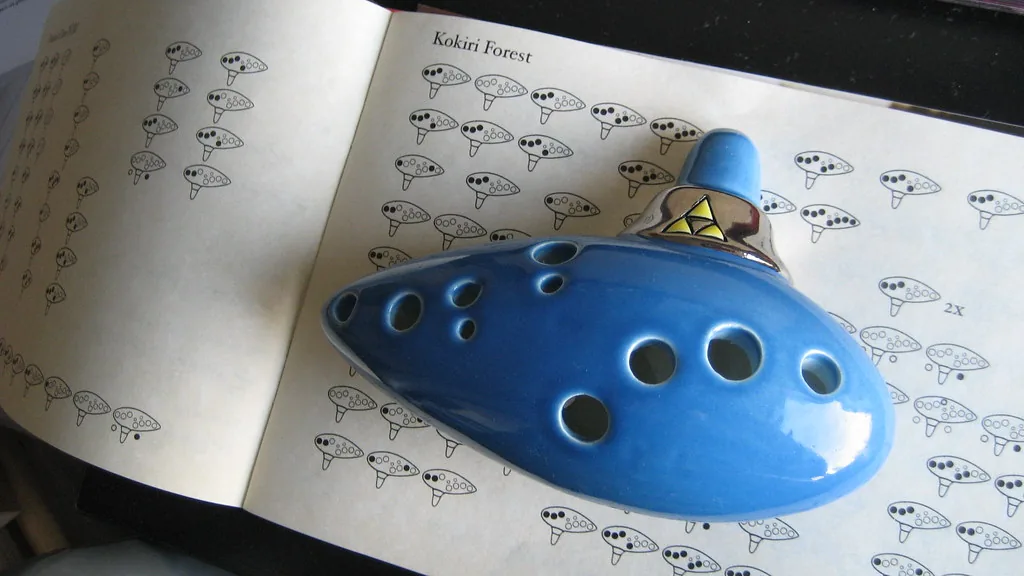
With a very long history, this musical instrument has roots dating back more than 12,000 years. The Maya, the Aztecs and several other pre-Columbian civilizations already used similar instruments. China also played an important role in its development.
Over the centuries, the instrument moved beyond ritual use into present-day musical practice. In 1998, the popularity of The Legend of Zelda: Ocarina of Time increased sales by 300%. That success introduced the ocarina to a wider audience around the world.
This guide takes a close look at the ceramic ocarina. Handcrafting gives it a warm tone, an attractive appearance and an approachable feel. Terracotta is nevertheless sensitive to impacts, moisture and temperature changes.
We will cover its strengths and limitations, useful care habits and precautions to take after every playing session. Beginners and experienced musicians alike can explore a suitable selection for their needs.
Understanding the terracotta ocarina and how it works
Before choosing a model, it helps to understand its shape, how breath affects it and its fingerings. The instrument resembles a small vessel flute. Its enclosed chamber produces Helmholtz resonance when air passes through the mouthpiece.
The principle is similar to blowing across a bottle. The internal volume and the area of the openings affect the frequency. Opening or closing each hole therefore changes the note produced. This simple mechanism explains the ocarina’s main characteristics.
A vessel flute based on Helmholtz resonance
Giuseppe Donati helped standardize the transverse model in 1860. One source, however, dates the emergence of the modern version to around 1853. Its ceramic construction gives it a stable cavity, making it a practical instrument to explore.
How the number of holes affects learning
Common models have 4, 6, 8, 10 or 12 holes. Smaller models suit simple melodies. A 12-hole model offers about 1.5 octaves, while a multi-chamber version reaches nearly 2.5 octaves.
- 4 to 6 holes: less complexity and a quick start.
- 10 to 12 holes: a wider range and more varied fingerings.
- For beginners, choosing a first instrument also means considering the size of your hands.
Terracotta ocarina: benefits, sound and care
The porous texture of terracotta gives the instrument a gentle tone, similar to that of a small flute. The material affects its internal resonance, producing a responsive feel while playing.
A ceramic ocarina produces clear notes when its chamber stays clean. Moisture, saliva or deposits can obstruct airflow through the windway and reduce sound quality.
After each session, let the instrument dry for a few minutes. Then wipe its surface with a dry cloth. This habit removes marks without soaking the material.
- For the exterior, use lukewarm water and mild soap.
- Avoid immersion, as the porous material readily retains moisture.
- With normal use, a thorough cleaning once every three months is enough.
Regular care preserves tuning, breath response and the pleasure of playing. The ocarina can retain its warm character without losing precision.
The benefits of terracotta for musicians
Handcrafting gives this instrument a rounded, warm and distinctive tone. Terracotta appeals to musicians drawn to gentle expression. For a musical instrument, visual character matters as much as playability.
According to STL, ceramic may offer sound quality 20% richer than plastic. Its low harmonics can seem more complex. The comparison nevertheless depends on the models, the player’s breath and the listener. Wood produces a different response, often more subdued.
Finishes also make it possible to personalize the instrument. Glazes, engravings and colors give a ceramic instrument its own look. The Songbird Imperial City, offered at €199, illustrates this attention to decoration. Songbird says it has more than 25 years of experience.
Natural porosity sometimes reduces condensation. It supports consistent resonance but calls for care around moisture. Dry storage is therefore essential. Wood also needs suitable protection.
Among recognized makers, Songbird, STL and OcarinaWind emphasize precision. Songbird offers a Double Chamber system capable of reaching 2.5 octaves. OcarinaWind claims tuning accuracy to 1/100 of a tone. The ocarina thus has a place among modern instruments worldwide.
The limitations of a ceramic instrument
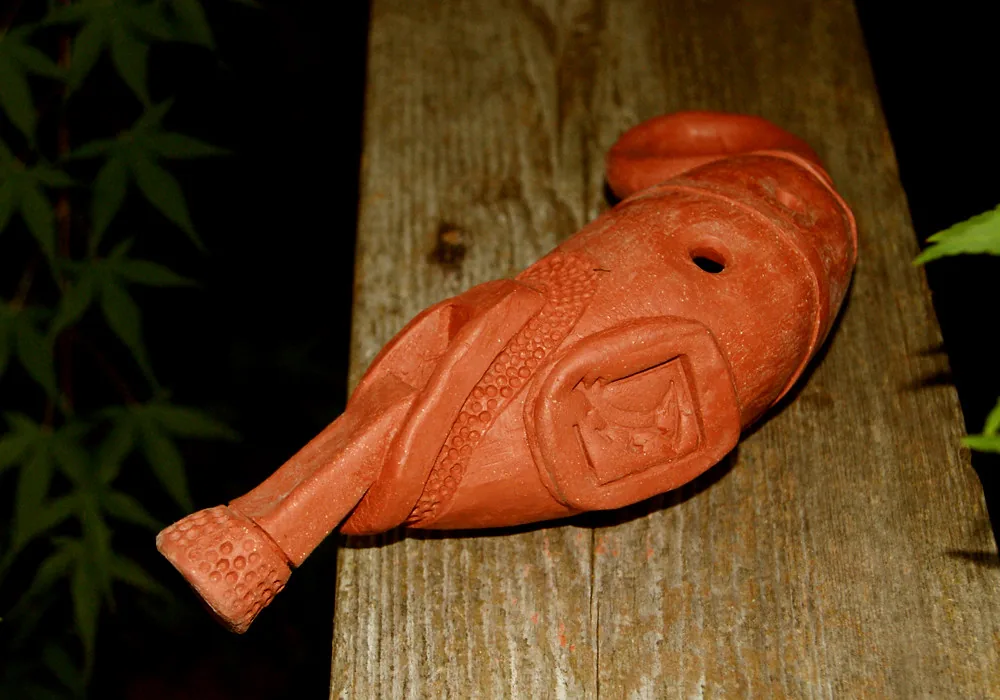
A fragile instrument requires steady care. Ceramic is attractive, but it does not tolerate impacts, falls or sudden changes in temperature well.
These limitations do not make the ocarina impractical. They simply call for good habits from the time of purchase, especially if you travel with it often.
Fragility, impacts and temperature changes
The stated resistance is 300 g/cm² for ceramic, compared with 900 g/cm² for plastic. A ceramic instrument is therefore said to withstand impacts only one-third as well. A single fall may chip it or obstruct a hole.
- Without a suitable case, 35% of the instruments cited sustain damage during their first journey.
- A change of more than 5°C per hour can cause cracks in a ceramic ocarina.
- High humidity can also weaken wood, although its structure differs.
Cleaning should be gentle. Harsh products damage finishes. If moisture remains, let the instrument dry completely before storing it. These precautions make care easier for musicians.
A padded case protects the ocarina during travel. To compare designs, see this comparison of double and triple models.
Choosing a model for the way you play
The right choice depends mainly on where and how you will play. Your experience, budget and need for portability will guide the features you choose.

Comparing hole counts and range
For learning, 4- or 6-hole models reduce complexity. Models with 10 or 12 holes provide more notes and more varied fingerings. Hole count can therefore help guide your first purchase.
Assessing comfort and tuning
A comfortable grip makes playing easier. Test the spacing of the holes, the weight and the stability of the notes. In Paris or Lyon, a specialist shop may let you try several models. A warranty of 2 to 5 years can also provide reassurance.
Comparing ceramic, plastic and wood
| Material | Practical reference | Indicative price |
|---|---|---|
| Plastic | 150 g, durable; Night by Noble: 15-cent drift after six months | €59 |
| Ceramic | 300 g, suited to playing in one place; El Dorado | €129 |
| Wood | 250 g, cracks at 70% humidity; 40% more maintenance | Varies |
A ceramic ocarina suits musicians who usually play in one place. Plastic is easier to travel with. Wood appeals through its natural appearance but needs closer attention.
Preserving sound quality and playing in tune
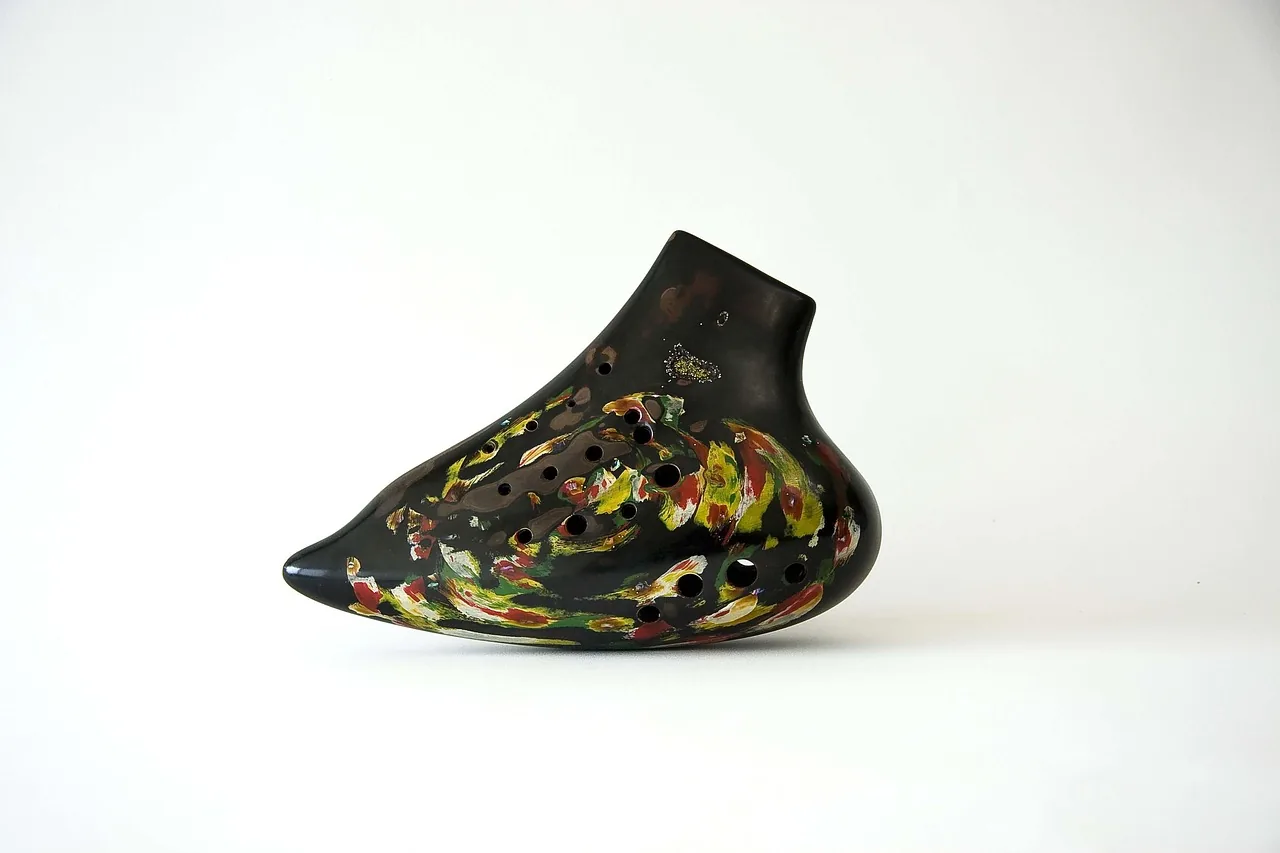
Playing in tune relies chiefly on listening, steady breath and noticing how the instrument responds. A few short trials help each musician find the right air pressure. Frequency depends on the internal volume and the area of the openings.
Controlling breath and air pressure
Play sustained notes with steady airflow. This reveals the range of pressure at which resonance remains full. Blowing too hard makes the ocarina whistle. Too little airflow weakens both the flow inside the instrument and the notes.
Sound quality improves with controlled air pressure. Musicians can follow an online ocarina lesson to correct their posture.
Checking fingerings and the seal over each hole
Cover each hole with the pad of a finger, without straining. Even a small air leak can put a note out of tune. The number of holes also affects fingerings and how the instrument feels in the hands.
- Check the holes before each exercise.
- If there is a problem, use paper or pipe cleaners.
- Careful cleaning of the affected area protects the ceramic.
- Compressed air can remove debris if used cautiously.
Most problems come from a blocked hole. These simple steps help preserve the ocarina’s tuning.
Cleaning a terracotta ocarina after each use
A simple habit is often enough to preserve the instrument’s appearance, precision and resonance. After each session, let it cool for a few moments before cleaning it.
Wiping the exterior with a soft cloth
Wipe the surface with a soft, slightly damp cloth. Lukewarm water and mild soap can remove saliva marks and dust. Dry it immediately with a clean part of the cloth.
Cleaning the mouthpiece and holes without scratching them
After each session, slide a thin strip of paper into the windway. A cotton swab or pipe cleaner can clean the holes without damaging the ceramic. Avoid excessive pressure. An ocarina suited to your playing deserves this regular care.
Products and methods to avoid
Never immerse the instrument. Heat, detergents and the force of a dishwasher cycle can damage its finish. Avoid metal objects too. If notes become unstable, finish cleaning with a controlled puff of air or a cautious burst of compressed air. With normal use, a thorough cleaning once every three months is enough. Wood calls for similar precautions.
Storing and transporting the instrument to extend its life
Storage matters after every session. Dry the instrument with a soft cloth before putting it in its case. This limits deposits, residual moisture and the risk of cracks. A light cleaning is often enough, without harsh products or an overly powerful burst of compressed air.
Choosing a padded, protective case
A padded case protects the holes, ceramic body and mouthpiece while traveling. The Thomann case, offered at around €29, is an affordable option. Without suitable protection, nearly 35% of the instruments cited would reportedly sustain damage on their first journey.
“A suitable case costs less than repairing damage after a fall.”
- Keep the ocarina away from radiators, windows and heat sources.
- A temperature change of more than 5°C per hour can cause cracks.
- For valuable models, add a hard case, soft fabric and silica gel packets.
- Watch the humidity: wood can crack when relative humidity reaches 70%.
These precautions complement regular care. To learn more about looking after a ceramic instrument, choose a dry storage place with a stable temperature that is easy to monitor.
Conclusion
The handcrafted ocarina appeals through its ceramic body, warm tone, careful appearance and ability to produce expressive notes. With good technique, it offers a precise, enjoyable response for regular playing.
The material does require care. Impacts, moisture and rapid temperature changes can crack the instrument. A padded case reduces that risk during travel.
Simple care is enough day to day: a dry cloth, mild soap and complete drying, without immersion. These steps preserve sound quality and tuning.
Plastic remains practical for beginners and travel. Wood offers a different tone but needs more attention.
With a routine after every session, your ocarina can retain its value and precision for many years.