
In Dragon Ball Z, Tapion’s ocarina appears as a magical flute associated with the hero from Konats. Its sound accompanies a story of courage, memory, and the threat posed by Hildegarn. Yet this fictional object draws on a real tradition nearly 12,000 years old.
The first vessel flutes were made in several parts of the world. Then, in 1853, Giuseppe Donati created a modern version in Budrio with more consistent tuning. Its name means “little goose,” a reference to its rounded shape.
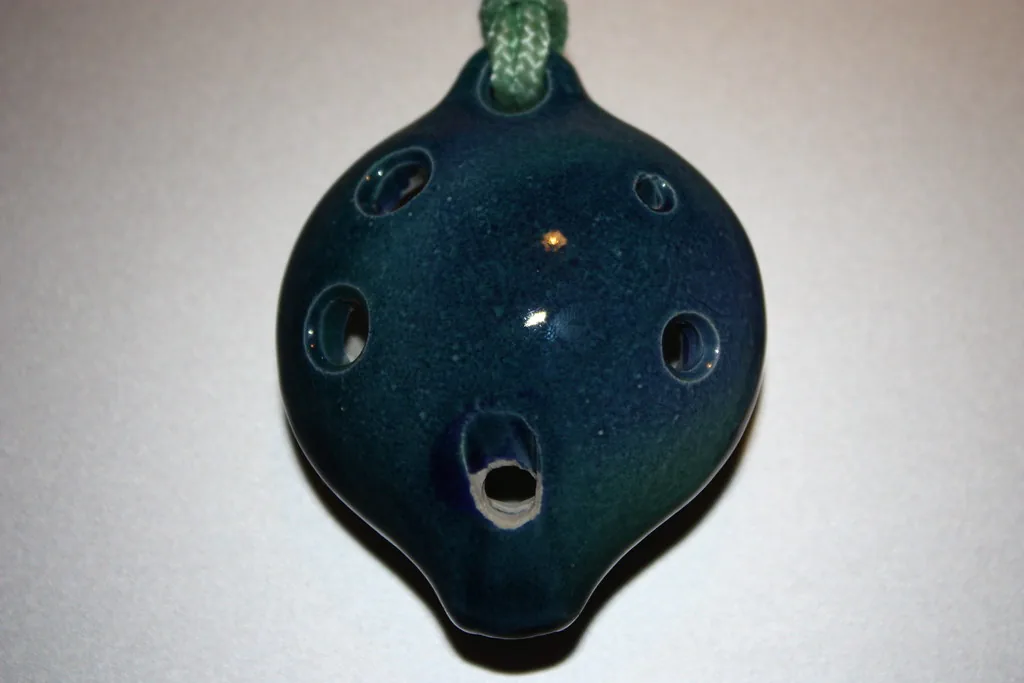
Its shape sometimes resembles a potato. This appearance sets it apart from conventional flutes. Blowing into it produces a soft, rounded, slightly veiled tone. Modern models often have 10 or 12 holes, while the one Tapion holds captures the imagination.
After consulting these historical references, readers can better understand the contrast. Before comparing fiction with reality, let’s explore the instrument’s fundamentals, its music, and the connections between Tapion, Trunks, and Hildegarn.
This introduction begins a straightforward, accessible exploration full of discoveries.
Tapion’s Ocarina: History and Distinctive Features of the Instrument
At the heart of the story, a warrior from Konats carries the fate of a threatened world. Tapion, a legendary hero about 1.8 metres tall, is recognizable by his bright red hair, styled into a crest. He carries a sword and a magical flute known as the enchanted ocarina.
Hoi frees him from a music box with the help of Goku, Gohan, Videl, Krillin, Goten, Vegeta, and Trunks. The melody therefore does more than create an atmosphere. In Dragon Ball, it acts on invisible forces and keeps Hildegarn under control.
Although he seems solitary, the warrior gradually regains his trust in others on Earth. His relationship with Trunks brings tenderness to the story. Music becomes a connection between two generations, beyond the fighting.
This role extends beyond the film. In a storyline associated with Dragon Ball Super, the same power is used to seal Future Zamasu. The object thus retains an important role across time and several Dragon Ball stories.
The contrast with the real instrument remains essential: one works through acoustics, while the other turns a melody into supernatural protection.
The Historical Origins of the Ocarina Around the World
Long before video games, people made vessel flutes to create music. A 30,000-year-old clay whistle from Central Africa works on a similar principle. Examples from Egypt dating back about 12,000 years also testify to the instrument’s long history.
Different Forms Across Several Continents
Among the Chibcha people of Colombia, these objects were made from clay or gold, with four or eight holes, between 500 BCE and 1536 CE. In Europe, the Runik ocarina from Kosovo measures 8 cm and is more than 8,000 years old. An example found at Liubcova Ornița in Romania dates back more than 5,000 years.
The Chinese Xun and Asian Traditions
Known as the xun, the Chinese instrument has existed for more than 7,000 years. Players blow directly across its opening, unlike Western models, which guide the breath through a duct.
Toward a Modern Version
In 1853, Giuseppe Donati created a ten-hole model in Budrio. In 1928, Japan’s Takashi Aketagawa added two upper openings. Then, in 1986, Nomura Sojiro popularized the instrument. In 1998, The Legend of Zelda: Ocarina of Time brought it to a worldwide audience. This development shows how an ancient form became part of contemporary culture.
Tapion, the Legendary Hero of Planet Konats
Thousands of years before the events of Dragon Ball, Tapion lives on planet Konats with his brother Minosha. Their fate changes when the dark Kashvar wizards awaken Hildegarn, a gigantic monster.
The creature ravages their world. The two heroes use their Hero’s Flutes to slow it down before a Konatsian wizard strikes it with an enchanted sword.
The Battle Against Hildegarn
The sword divides Hildegarn in two. The upper half enters Tapion’s body, while the lower half enters Minosha’s. This solution protects planet Konats but condemns the brothers to carry the monster within them.
Minosha and the Konatsian Wizard
The brothers are then sealed in mystical music boxes and sent far across the universe. Tapion later arrives on Earth. Minosha disappears on an unknown planet. Their names become those of legendary heroes bound to an ancient tragedy.
| Character | Mission | Destination |
|---|---|---|
| Tapion | Upper half | Earth |
| Minosha | Lower half | Unknown planet |
| Konatsian wizard | Division with the sword | Planet Konats |
How Does Tapion’s Ocarina Seal Hildegarn?
Tapion’s melody acts as a living barrier. Thanks to the enchanted ocarina, the music weakens the monster before each attack. The lower half is then absorbed into his own body.
This seal is not enough to end the threat. The upper half remains bound to the hero, making Tapion a living guardian. A music box also keeps his power sealed until the box is broken.
The story follows four stages:
- The lower half enters Tapion’s body.
- The upper half remains confined within that body.
- Breaking the seal later releases the monster.
- A sword is not enough against its complete form.
After its release, the Dragon Ball warriors launch an attack at full power. Hildegarn resists, however. In Dragon Ball, Goku finally uses the Dragon Fist as a Super Saiyan 3. The blow destroys the monster after its upper and lower halves have been freed. The danger disappears with it.
The Shape and Musical Features of the Enchanted Ocarina
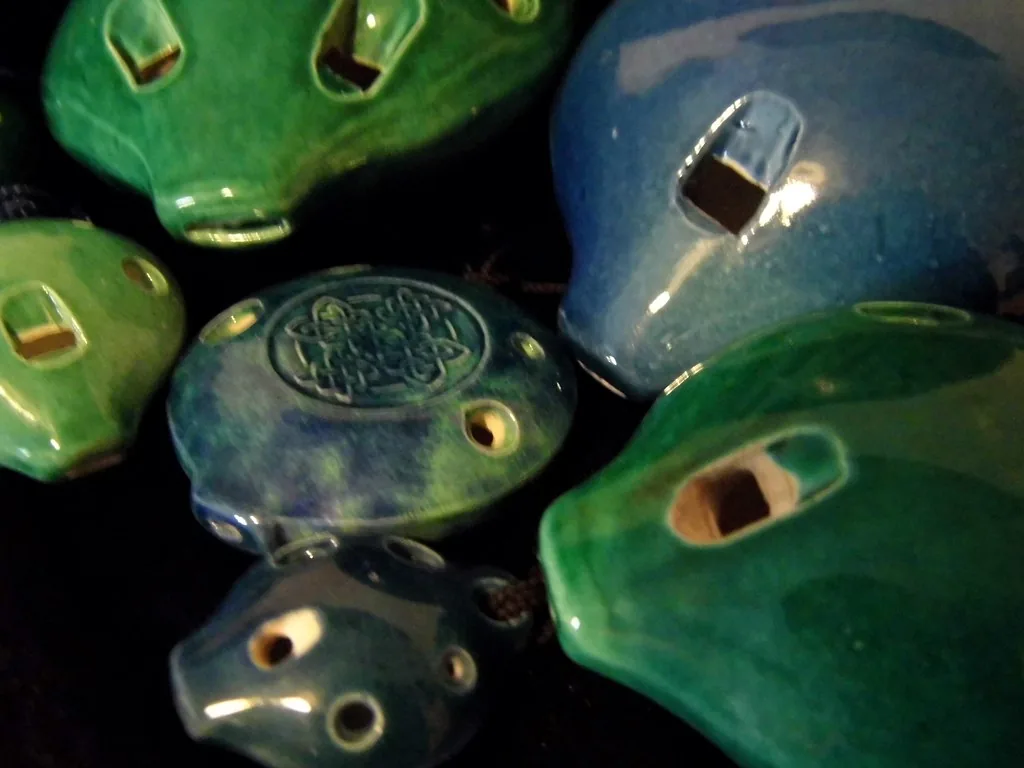
Its rounded outline first catches the eye. Yet its structure follows a real acoustic principle. The American nickname “sweet potato” refers to its egg-shaped, sometimes tubular form and its gentle tone.
This appearance also serves the fiction. In Dragon Ball, the melody seems to act directly on the monster’s body, far beyond the abilities of a real flute.
A Mystical Flute Shaped Like a Potato
The modern ocarina created by Giuseppe Donati in 1853 has ten holes. Its compact form makes it easy to hold. Some current models are longer while retaining their rounded body.
How the Holes and Mouthpiece Work
Breath enters through a mouthpiece and makes the air vibrate inside an enclosed chamber. Opening each hole changes the pitch. In 1928, Japan’s Takashi Aketagawa added two openings on the upper surface. His twelve-hole model offers a wider range.
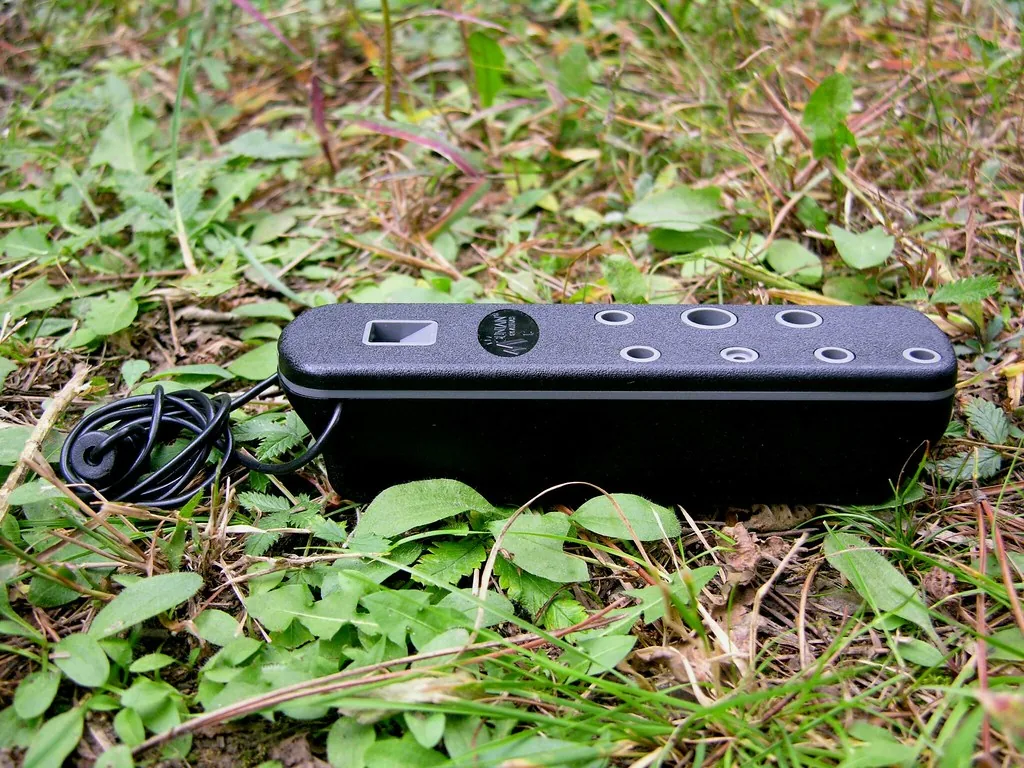
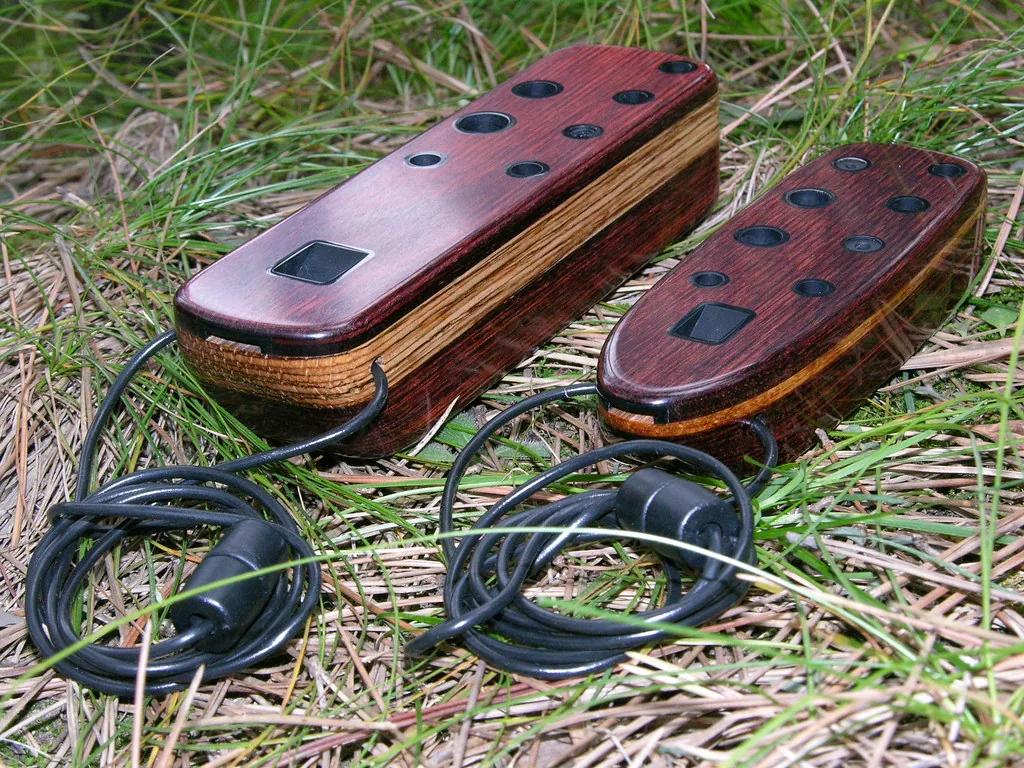
Double- and triple-chamber versions span several octaves. They expand the available range without changing the underlying principle.
Protective Melodies and the Power to Seal
In the story, the enchanted ocarina becomes a guardian. Its music keeps one half of the monster under control before the full-force attack with the sword. This magical role turns a musical object into a symbol of protection.
Tapion’s Ocarina in Wrath of the Dragon
The film turns a simple melody into a warning signal and then a bond between two generations. Hoi frees Tapion with the help of the heroes on Earth. His plan remains hidden: he wants to retrieve both music boxes to awaken the monster.
The Warrior’s Release and Hildegarn
After understanding the danger, the hero refuses all help. His body still contains Hildegarn. Bulma tries to repair the music box at Capsule Corporation, but it cannot provide lasting rest.
- The music slows the threat.
- Repeated visits bring Trunks and the hero closer.
- Later, Goku strikes with the Dragon Fist.
A Friendship That Changes Fate
Trunks often returns with a meal. Little by little, this kindness earns the warrior’s trust. Their bond grows strong despite the fear of the monster.
“Trust sometimes grows from a simple gesture repeated each day.”
After the victory, the sword given to Trunks becomes a symbolic gift. It then accompanies the boy and remains connected to his future. Tapion travels 1,000 years into the past in a time machine. This ending strengthens the connection between music, courage, and Dragon Ball.
| Moment | Action | Consequence |
|---|---|---|
| Release | Hoi deceives the heroes | The threat awakens |
| Final battle | Goku uses the Dragon Fist | Hildegarn is destroyed |
| Departure | Gift to Trunks | Return through time |
The Instrument’s Appearances in Video Games and Popular Culture
Video games extend Tapion’s role beyond the film. His ocarina becomes a rare weapon, while his name remains familiar to generations of Dragon Ball fans.

Battles Across Several Series
Budokai Tenkaichi 2 and Budokai Tenkaichi 3 feature the hero and his Hero’s Flute technique. Dragon Ball Heroes, Dragon Ball Fusions, Xenoverse 2, and Dokkan Battle also feature his powers.
In Xenoverse 2, Parallel Quest 116, “A Hero’s Duty,” brings Tapion together with the Time Patrol. The player faces Golden Frieza, Perfect Cell, and Omega Shenron. The melody can seal Future Zamasu within his own body.
A Sword Connected to Future Trunks
After the film, the Brave Sword becomes a powerful symbol for Future Trunks. The sword appears across several storylines associated with Dragon Ball Super. This reference also recalls Akira Toriyama’s influence, visible in Blue Dragon, where Tapion appears as a statue.
Through these appearances, the character retains a distinctive place in pop culture, bringing together combat, time travel, and a tribute to Ocarina of Time.
| Work | Appearance | Notable element |
|---|---|---|
| Budokai Tenkaichi 2 and 3 | Playable character | Hero’s Flute |
| Xenoverse 2 | Quest 116 | Sealing Zamasu |
| Dokkan Battle | Battle card | Musical power |
| Dragon Ball Heroes | Special appearance | Brave Sword |
Conclusion
Over the centuries, this sounding instrument has acquired a new meaning. Its ancient origins connect Egyptian remains, Italian craftsmanship, and popular culture. This history illuminates the contrast between musical reality and fantasy.
In Dragon Ball, music helps Tapion hold Hildegarn back. Goku then finishes the creature with the Dragon Fist. On Earth, the hero’s name remains associated with courage, sacrifice, and protection.
His bond with Trunks deepens that meaning. The sword given after the victory becomes a sign of passing something on. Dragon Ball thus shows how a simple gesture can change a destiny.
Although fictional, Tapion’s ocarina still inspires curiosity and admiration. This instrument has helped introduce the art of ocarina playing to more people around the world, alongside Zelda and Dragon Ball Super. Your comment can continue the discussion.