
Goal: this article helps you compare stands by type, use and price. It aims to help you choose a stable, comfortable stand for everyday playing.
Why it matters: a good stand improves posture, safety and the playing experience. Steel models with rubber sleeves provide excellent stability on stage or at home.
Types at a glance: single X stands for flexibility, double X stands for greater stability, table stands for a broad support surface, Z stands for strength on stage, and dedicated stands for Yamaha, Roland, Casio and Korg models.
Practical examples: Classic Cantabile Pro I, RockJam Xfinity and K&M 18950. Each model is described in terms of its adjustments, load capacity and locking system.
What this guide covers: sections organized by use (home, studio and stage), value for money comparisons, and key criteria such as height, width and assembly. It is for beginners and experienced pianists alike.
Choosing a digital piano stand in 2025: stability, posture and budget
The stability of the stand often affects both playing quality and the keyboard’s lifespan.
Why stability matters: a rigid frame limits unwanted vibrations, while rubber sleeves protect the instrument. Powder-coated steel frames offer lasting strength and quick assembly.
Adjustable height directly affects posture. Precise adjustment helps prevent back and shoulder strain, particularly during lessons and long rehearsals. Check the adjustment ranges: 40–90 cm (K&M 18962), 55–85 cm (Classic Cantabile Pro I) and 65–98 cm (RockJam RJX29).
- Choose a load capacity above the keyboard’s actual weight for added safety.
- Consider dedicated stands (Yamaha, Roland, Casio, Korg) if the instrument will stay in one place.
- Check the rubber feet and end caps to prevent slipping and protect the floor on stage.
In short: a good steel stand with nonslip supports holds the piano without bending and makes it easier to switch between sitting and standing. To compare models and find an option that suits your budget, see our comparison of the best stands.
Digital piano stands: a guide to your options
Each type meets a particular need: portability, studio comfort or a permanent setup with an integrated look.
Types and uses
Single X: ideal for portability and smaller budgets. Examples: K&M 18962 (40–90 cm) and Classic Cantabile Pro I (55–85 cm).
Double X: more stable for heavy instruments and stage use. Examples: RockJam RJX29 (65–98 cm) and Xfinity (10–98 cm).
Table, Z and dedicated stands
Table: a broad support surface and comfort in the studio. Examples: Classic Cantabile KBA-880 (61–85 cm) or a folding table stand (73–110 cm).
Z: rigidity and precise adjustments; the KSD-400 Pro Delta (59–90 cm, support width of 60–100 cm) suits 88-key keyboards.
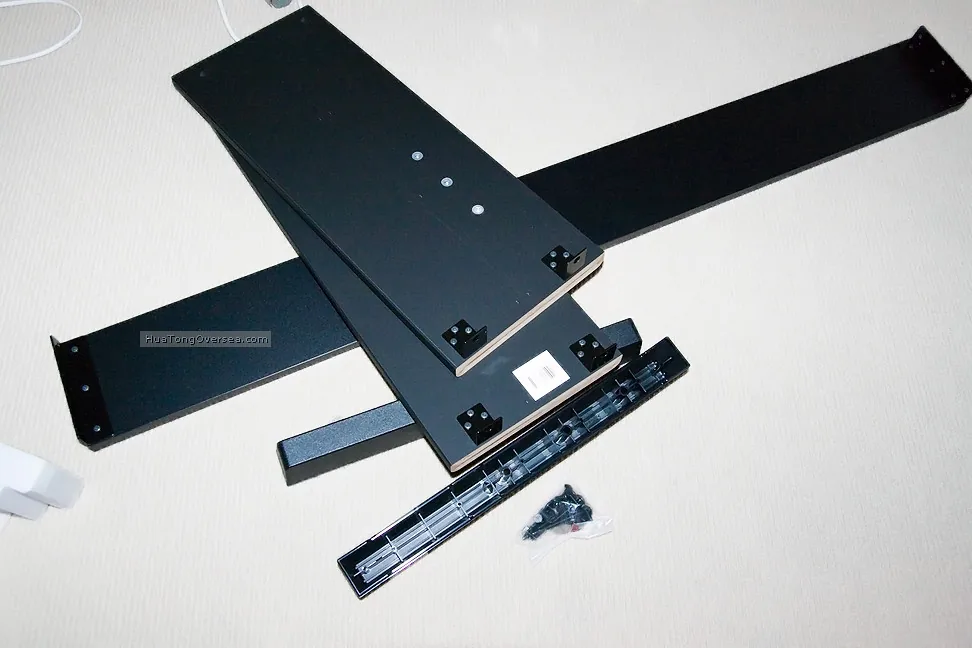
Dedicated stands: furniture-style solutions (Yamaha L-85/L-125, Roland KSC-70, Casio CS-46, Korg B2SP) with secure screw fastenings and a base for a pedal unit.

| Type | Strength | Height (example) | Recommended use |
|---|---|---|---|
| Single X | Portable and lightweight | 40–90 cm (K&M 18962) | Transport and rehearsals |
| Double X | Greater stability | 65–98 cm (RockJam RJX29) | Stage and heavy models |
| Z | Rigid; supports 88 keys | 59–90 cm (KSD-400) | Studio and semipermanent setups |
| Table | Broad surface and comfort | 61–110 cm (extendable) | Studio and permanent setups |
Materials: powder-coated steel lasts longer under heavy use. Rubber end caps reduce slipping and protect the instrument.
Best budget and portable stands: picks under €100
Here is a selection of compact, affordable stands for keyboards and smaller models that will not break the bank.
Reliable picks under €100: these options prioritize adequate stability, height adjustment and compatibility with 61- to 88-key keyboards.
Millenium KS-1013 Slim Black
A lightweight double X stand (about 4 kg) that is easy to set up. It has a maximum load of 35 kg, rubber inserts and adjustable height. A good compromise for keyboards and small portable pianos.
Gewa FX F900520
An ultra-compact folding design with a height adjustable from 68 to 92 cm and a 50 kg capacity. Ideal for beginners and small spaces where easy storage matters.
Duronic KS2B
Straps and screws provide extra security. It has seven height positions from 33 to 98 cm and a 30 kg load capacity. Well suited to transport and occasional rehearsals.
Audibax Onyx 130
An adjustment range of 17 to 97 cm, Easy Lock mechanism, compatibility with 61-, 76- or 88-key keyboards and a stated capacity of 50 kg. Versatile enough for small stages and home studios.
“Always choose a load capacity above the actual weight to help the stand last longer.”
- Practical tip: choose rubberized supports and a reliable lock to prevent slipping during energetic playing.
- Check the minimum height if children will play while seated, and check stability if you frequently assemble and dismantle the stand.
- User reviews point to excellent value for money, while noting these stands’ limits with very heavy instruments.
Midrange and professional stands: maximum stability and high load capacity
Demanding musicians need stands that can safely support heavy keyboards.
Who they are for: advanced pianists, home studio users and touring musicians who need excellent stability and a high load capacity.

K&M 18950
A folding steel table stand with independently adjustable legs. Height: 600 to 1000 mm; width: 650 to 1030 mm; depth: 395 mm.
An 80 kg load capacity, with optional additional arms and carrying bag. Ideal when you need a broad, rigid support surface.
Roadworx Multi Electric Stand
Continuous electric height adjustment from 610 to 1260 mm, four saved height settings and quiet motors. Stated load capacity: 150 kg.
Ideal for switching effortlessly between sitting and standing, and for long sessions in the studio or on stage.
Roland KS-11Z
A sturdy steel Z frame, 56 to 94 cm wide and 64 to 91 cm high. Seven positions and quick folding.
A 100 kg capacity; designed for 88-key instruments and demanding tours.
| Model | Material | Height / width range | Maximum load |
|---|---|---|---|
| K&M 18950 | Steel | 600–1000 mm / 650–1030 mm | 80 kg |
| Roadworx Multi Electric | Steel / motors | 610–1260 mm (continuous adjustment) | 150 kg |
| Roland KS-11Z | Steel | 64–91 cm / 56–94 cm | 100 kg |
Ergonomics and quality: table stands provide a broad support surface, Z stands emphasize stage stability, and electric stands allow instant adjustment. Always leave a safety margin below the maximum load, and consider the stand’s own weight if you move your equipment often.
“Choose steel and suitable feet to reduce vibrations and protect the instrument.”
Single and double X classics: dependable choices for stage and rehearsal
On stage or in rehearsal, X frames strike an excellent balance between compactness and stability.
Why these stands remain useful: reasonable prices, quick setup and a small footprint. They suit touring, short rehearsals and mobile home studios.
K&M 18933 / 18993
A steel frame, a 50 kg capacity for the 18933 and a simple locking mechanism. Rubber inserts stabilize the instrument, while the feet accommodate uneven floors.
RockJam RJX29 and Xfinity
The RJX29 has a sturdy double X frame with a spring-loaded lock; the Xfinity has an adjustment range of 10 to 98 cm. Straps and nonslip screws keep the keyboard in place during energetic playing.
Classic Cantabile Pro I
An X stand with continuous adjustment from 55 to 85 cm and a quick-release mechanism. It folds and has rubber sleeves, making it easy to carry.
Roadworx Keyboard Stand 3 SP
A lightweight but stable double C frame with a load capacity of up to 30 kg. Quick setup and simple adjustment for playing seated or standing.
- Tip: choose a double X stand for heavy instruments or demanding stage use.
- Before each session, check that the feet are secure, the rubber end caps are in place and the locking mechanism works.
- Read user reviews to assess stability with different piano models.
“These models offer an excellent balance of compactness and rigidity for frequent rehearsals.”
Dedicated stands from major brands: turn a portable piano into furniture

Official stands turn a portable piano into a stable, attractive piece of furniture.
Main benefit: a dedicated base provides a coordinated look, a fixed playing height and an integrated three-pedal unit.
Yamaha L‑85 / L‑125 + LP‑1
Screw fastenings improve security and allow quick installation. The colors match the piano. The top and legs provide good stability for a permanent home setup.
Roland KSC‑70 + KPD‑70
A sturdy base with a matching three-pedal unit. Ideal for a permanent setup and comfortable foot placement.
Casio CS‑46 + SP‑34
An affordable solution that is quick to assemble. Secure screw fastenings and rubber feet limit slipping and protect the floor.
Korg B2SP
A complete set with a stand and three-pedal unit, available in black or white. Convenient for immediate setup and a coordinated look.
- Benefit: manufacturer quality and guaranteed compatibility with the matching model.
- These sets prioritize stability, safety and comfort during long sessions.
- Note: they are less suited to touring but excel in a permanent setup.
“Check the exact keyboard model before buying to ensure full compatibility.”
How to choose: adjustable height, maximum load and keyboard dimensions
Matching the height to the musician makes it easier to switch between sitting and standing in rehearsal or on stage.
Height, positions and locking
Height: choose an adjustment range that suits your body. X and double X stands often cover 55–98 cm; table stands range from 61 to 110 cm; Z stands range from about 59 to 91 cm.
Positions: precise adjustment helps prevent strain during lessons and long sessions. Choose a sturdy locking mechanism to keep the same height from one rehearsal or concert to the next.
Load, weight and stability
Choose a load capacity above the keyboard’s weight. For heavy pianos, look for a capacity of 80 to 150 kg (K&M 18950, Roadworx Multi Electric, Roland KS‑11Z).
For lighter keyboards, models with a capacity of about 30 to 50 kg (Duronic, Millenium, Gewa, Roadworx 3 SP) remain suitable.
Support width and depth
Check the support surface against the number of keys: a width of 60 to 100 cm suits 61- to 88-key keyboards; some table stands extend to 110 cm.
Tip: measure the keyboard’s base to avoid overhang and ensure its weight is distributed evenly.
Transport and storage
If you move the instrument often, choose a compact X or double X stand, or a folding table stand supplied with a bag. Folding reduces the space needed for storage and makes transport easier.
Electric adjustment: useful in a home studio for changing position quickly and effortlessly.

“Always choose a load capacity with a safety margin and a reliable lock to protect both the instrument and the musician.”
To compare compatibility and get buying advice, read our article on choosing a stand for the Yamaha P45.
Useful accessories and sets: benches, pedals and nonslip pads
A coordinated set makes setup easier and provides a consistent look from the start. Sets combine a seat and stand, which can be convenient if you want to get equipped quickly.
Stand and bench sets: Classic Cantabile and coordinated options
Example: the Classic Cantabile set includes a stand adjustable from 62 to 100 cm in five positions, plus a folding bench that can support 100 kg.
This pair is ideal for a permanent home setup or rehearsals. You can add a compatible three-pedal unit: LP-1 (Yamaha), KPD-70 (Roland) or SP-34 (Casio).
Practical tips:
- Choose rubber sleeves on the legs and nonslip feet for better grip and floor protection.
- Add a cover or carrying bag if you move the set often; it makes storage easier and protects the finish (for example, the K&M 18950 carrying bag).
- Always check that pedals and connections are compatible with your piano model.
“Comparing the price of a set with the cost of buying its parts separately can save money while preserving quality over time.”
Space-saving tip: choose a folding bench and stand if storage space is limited. Well-chosen accessories noticeably improve comfort, stability and the setup’s durability.
Conclusion
In short, your choice of stand directly affects comfort and keyboard stability while you play. X and double X models remain ideal for travel and rehearsals; Z and table models provide greater rigidity; dedicated stands offer a furniture-style finish and an integrated three-pedal unit.
Prioritize stability, easy adjustment and suitable dimensions. Always leave a margin between the maximum load and the instrument’s actual weight, and check the feet and rubber pads for safe playing.
To make your final choice, compare models (Millenium, Duronic, Gewa, K&M 18950, Roland KS‑11Z, Roadworx) and read user reviews. A good stand and a few well-chosen accessories improve playing quality and posture while making storage easier.