
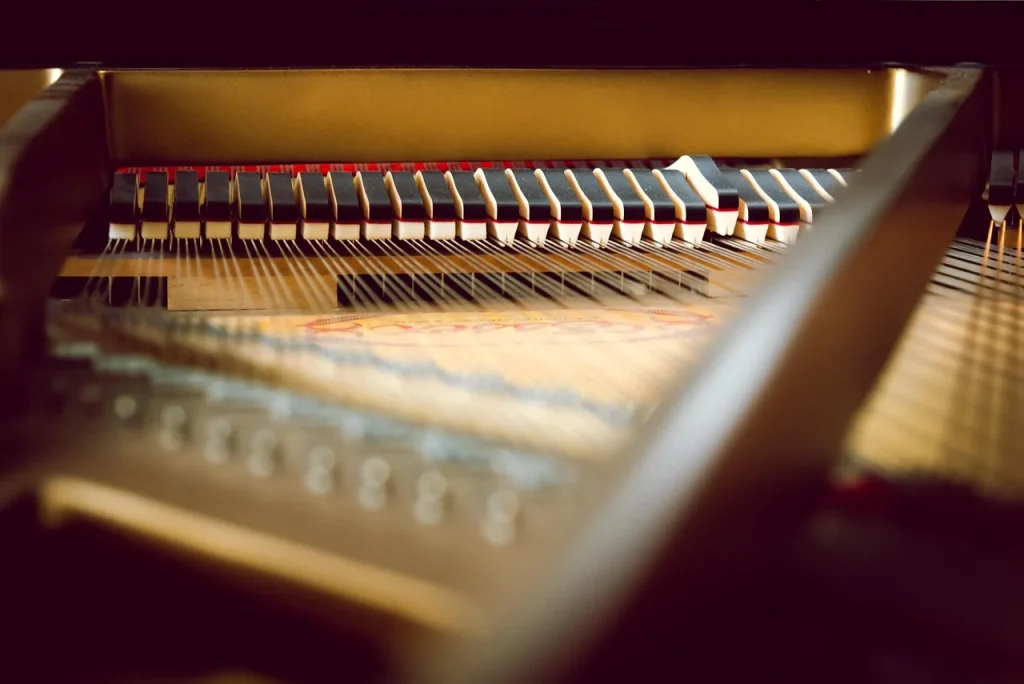
This buying guide aims to help musicians determine which Kawai instrument best suits their playing and budget. It explains the features that make the playing experience resemble that of an acoustic piano and details the differences between price ranges.
We cover common formats: portable models for the stage, compact and cabinet models for the living room, and instruments for rehearsals. Popular models in 2025 help put the choices in context, including the Roland FP-30X, Yamaha YDP 145/165 and CLP-825, and the Kawai ES and CA series.
Goal: provide a clear path from beginner to advanced level, so you can choose the right instrument and avoid buying twice. The guide covers key feel (88 keys and weighted action), polyphony, amplification and connections (MIDI/USB/Bluetooth).
Follow the steps: buying criteria, recommendations by use, market comparisons, selections and a checklist. For more buying guidance and models at different budgets, see our complete guide.
Complete guide and comparisons
Why choose Kawai for playing piano at home in 2025?
The brand, often cited as one of the most reliable, offers realistic key action and modeled or sampled grand piano sounds. For many players, these features make a digital keyboard feel very close to an acoustic piano.
Home models offer real convenience: adjustable volume, headphone practice at night, and built-in metronomes and recorders. Modern connections (MIDI, USB, Bluetooth) make learning and recording with apps easier.
Practical advantage: no tuning is needed, and reliability is high. In an apartment, this avoids maintenance costs and constraints and lets you play regularly without worry.
Concrete examples include the ES120 for getting started (Bluetooth, 192-note polyphony), the ES920 for greater dynamic range (256-note polyphony), and the CA701 for a premium cabinet experience with Grand Feel III action and 2 × 55 W amplification.
- A good balance of key feel and sound quality for the price.
- Higher-priced models offer improved action, more polyphony and better speakers.
- Choose according to how you will use it and the space available (portable or cabinet) to balance appearance and practicality.
| Model | Polyphony | Recommended use |
|---|---|---|
| ES120 | 192 notes | Starting at home, portable format, Bluetooth |
| ES920 | 256 notes | Progressing with greater dynamic range |
| CA701 | 256 notes and more (modeling) | Premium cabinet, better sound and 2 × 55 W amplification |
Essential criteria for making a good choice, as with an acoustic piano
The feel beneath your fingers and the available sound are the foundations of a good instrument.
Number of keys and key feel
88 keys remain the standard for covering the classical piano repertoire. A shorter keyboard soon limits progress and the ability to play pieces with a wider range.
Look for weighted keys, hammer action and precise touch sensitivity to produce natural expression from pianissimo to fortissimo. Synthetic ebony or ivory key surfaces improve grip during long sessions.
Polyphony: 192 or 256 notes
192-note polyphony is enough for most scores and pedal use. 256 notes provide extra room for layered sounds, resonances and dense arrangements.
Amplification and connections
Powerful built-in speakers produce a fuller sound for practicing without external amplification.
Look for Bluetooth audio/MIDI, USB/MIDI, a headphone jack, a metronome, a recorder, split and dual modes, and transposition for flexible everyday use.
| Criterion | Why it matters | Practical example |
|---|---|---|
| 88 keys | Covers the full repertoire | Lets you play a complete classical piano piece |
| Weighted action | Dynamic control and repetition | Hammer action and synthetic ebony key surfaces |
| Polyphony | Headroom for pedal use and layered sounds | 192 notes are sufficient; 256 provide more headroom |
| Connections | Connects to apps and music production software | Bluetooth, USB/MIDI, headphones and line outputs |
Kawai digital piano: which one suits your level?
Thinking long term helps you select a model that will support your progress. Here is a simple way to balance your playing needs, budget and sound expectations.
Beginner
ES120: excellent value for getting started. Its weighted action, 192-note polyphony and Bluetooth make it easier to learn with apps and practice through headphones.
Intermediate
ES920: for players who want to get closer to an acoustic piano. Its 256-note polyphony, more refined sounds and detailed settings provide room for demanding pieces.
Advanced
CA701: Grand Feel III action, 2 × 55 W amplification and synthetic ebony and ivory key surfaces. Ideal for an expressive cabinet piano experience close to that of an upright.
Between two levels
If you are between two levels, plan for three to five years of progress. Favor a model that holds its value and look for bundles with a stand, bench and pedals.
Always try the instrument in a store to assess its key feel and tonal balance. A teacher can help confirm your choice based on your space and intended use.
Getting started: Kawai pianos designed for learning
Starting with a well-designed model makes it easier to learn the basics and stay motivated.
The Kawai ES120 is a portable digital piano offering very good value for serious learning. It combines weighted action, 25 sounds (including 8 pianos) and 192-note polyphony, enough for most pieces and pedal use.
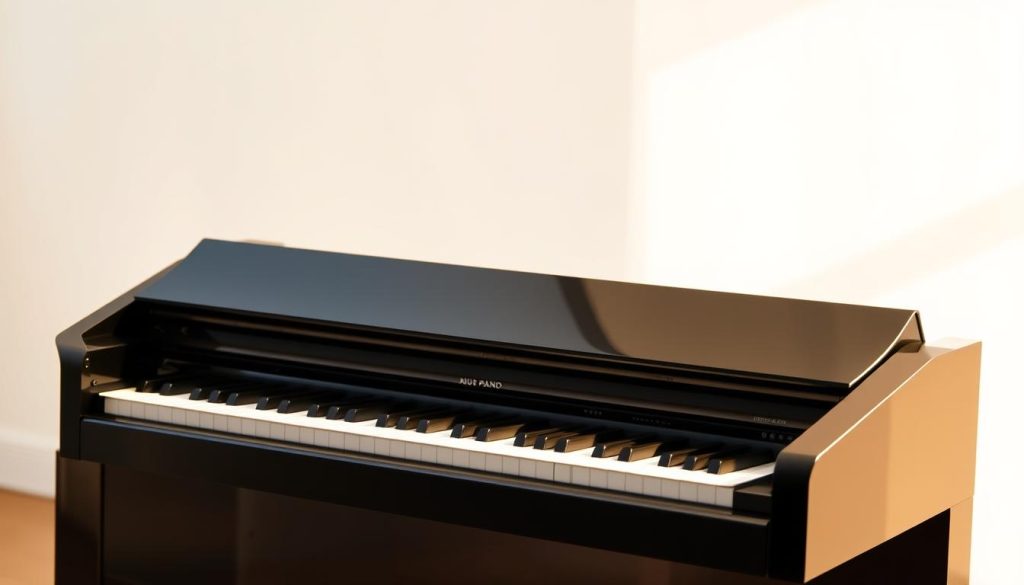
Kawai ES120: portable and ready for your progress
Bluetooth and MIDI make it easy to connect to apps and music production software. The built-in recorder lets you listen to your progress and adjust your practice.
What to check
- Touch sensitivity: essential for developing dynamics and control.
- Built-in metronome and recorder: to structure practice sessions and measure progress.
- Quality headphones and a stable stand: for good posture and late practice without disturbing others.
- A bundle with a stand, bench and pedal is recommended for comfort.
A compact piano with weighted action is more motivating than a lightweight keyboard. Buying a piano with these features will save you time. With these criteria met, the ES120 can also support progress beyond the beginner stage.
Moving forward: Kawai digital pianos closer to a traditional piano
Lasting progress calls for an instrument with genuine expressive range. The Kawai ES920 is an important step for motivated beginners and experienced pianists. It offers 38 sounds, 256-note polyphony, detailed settings and controls designed for long-term use.
Why the ES920 makes a difference
With 256 notes of polyphony, dense chords, resonances and layered sounds play without notes cutting off. The sound is closer to that of an acoustic piano, with greater dynamic range, better speakers and detailed sound controls.
When to move up a level
Move into this range when your pieces call for more breadth, you use the pedal frequently and you want to reproduce more subtle expression. Touch and velocity settings help avoid frustration and let you adjust the keyboard’s response.
- A sound investment for three to five years that avoids buying a piano twice.
- Bluetooth, MIDI and USB compatibility for lessons and recording.
- Also suitable for rehearsals and small stages thanks to its sound capacity.
For advanced pianists: premium action and a refined cabinet
For an advanced musician, a premium cabinet piano can profoundly change the playing experience.
The Kawai CA701 is a premium cabinet model with Grand Feel III action and keys finished in synthetic ebony and ivory. Its sound is delivered through 2 × 55 W amplification. The model offers 96 sounds, a touchscreen and Bluetooth, with an indicative price of €2,577.
In terms of feel, the CA701 behaves like an upright piano: it offers responsive repetition, graded weight and fine control of expression. The built-in speakers are very good and are sufficient for an average-sized living room without external amplification.
Comparing a compact piano with a cabinet model means considering appearance and space. The cabinet provides better sound integration and a stronger visual presence. It also requires more room and a higher budget.
Perceived quality becomes most apparent when playing and listening, especially with demanding repertoire and exercises in expression. A cabinet piano encourages daily practice and often depreciates less sharply, an advantage for frequent home players.
By use: home, rehearsals and stage
Thinking about how you will use the piano before comparing specifications makes the choice easier.
For small spaces: a compact digital piano or a portable model on a stand takes up less room without sacrificing key feel. This type of instrument fits in a living room and lets you adjust the volume or use headphones to play discreetly.
Transport and rehearsals
If you travel often, a portable digital model such as the ES120 or ES920 offers manageable weight, comprehensive connections and durability. Bluetooth/MIDI compatibility makes it easier to use a metronome and record ideas during rehearsals.
On stage
Stage models do not have built-in speakers: they connect to a sound system. They prioritize dedicated outputs, reliability and quick setup to reduce technical problems.
- Accessories: a cover or flight case, stable stand, pedals and quality cables.
- Transport budget: a cabinet offers comfort for a piano that stays in one place; a portable model provides versatility.
In short: choosing according to use often matters more than comparing specifications alone. For many players, this range of options offers a very good balance.
Getting closer to an acoustic piano: action, resonances and simulations
The most convincing result comes from a balance between the action, sound engine and amplification. The action should offer graded weight and a distinct let-off feel to reproduce subtle expression.
Graded weight and materials: keys with synthetic ebony and ivory finishes improve grip and reduce the effects of perspiration. They support precision in legato, staccato and fast repetitions.
Modeling and sampling: sound engines that simulate a grand piano reproduce string resonance, the effect of the damper pedal and even mechanical noises. This strengthens the feeling of playing an acoustic instrument.
- High polyphony, such as the ES920’s 256 notes, helps sustain resonances.
- CA701: Grand Feel III action and 2 × 55 W amplification for very natural sound projection.
- Consistency between the action, sound engine and speakers creates the best perceived quality.
Try the instrument with works by Debussy or Chopin and extended jazz chords to judge how well it sustains harmonics. Acoustic pianos remain the benchmark, but well-designed digital models are getting closer to their sound.
Price ranges: how much to invest for the way you play
Setting your budget helps you focus on the features that really matter. The following price points can help you choose an instrument suited to your needs and budget.
A price range for getting started without regrets
Solid entry-level instruments start at around €600. At this price, the essentials are covered: 88 keys, weighted action, touch sensitivity, a metronome and Bluetooth. Examples from 2025 include the ES120 at about €599 and the Roland FP-30X at about €599.
A little more budget takes you much further
The intermediate tier is around €1,200. At this level, polyphony increases, the sound engine improves and amplification becomes more powerful. Examples include the ES920 at about €1,222, Yamaha YDP 165 at about €1,119 and CLP-825 at about €1,329.
“Invest according to how you will use it, rather than prestige.”
Premium cabinet models cost more than €2,000 and offer better sound and a greater presence. The CA701, at about €2,577, illustrates this move toward a sound closer to that of an acoustic piano.
| Tier | Indicative budget | Main advantage |
|---|---|---|
| Beginner | Around €600 | Good value for money |
| Intermediate | Around €1,200 | Sound capacity and settings |
| Premium | > €2,000 | Cabinet sound and power |
Practical tip: invest according to your needs and budget for accessories (stand, bench, pedals and headphones). To compare prices and options, see also buying a digital piano.
Market comparison: how Kawai compares with best-selling models
In today’s market, leading models stand apart through their balance of key feel, sound and power.
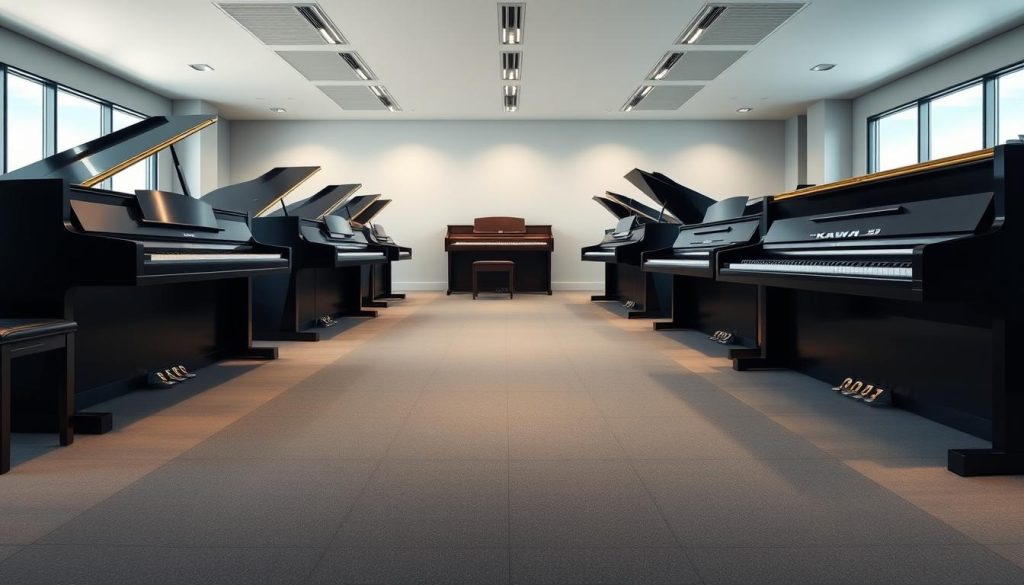
Positioning: the ES120 holds a strong place among serious entry-level models, alongside the Roland FP-30X and Yamaha YDP 145.
- Roland FP-30X: 256-note polyphony, Bluetooth, 2 × 11 W and 56 sounds; a portable model with generous polyphony.
- Yamaha YDP 145 / YDP 165: 192-note polyphony for the YDP 145, 2 × 8 W amplification for the YDP 145 and 2 × 20 W for the YDP 165; good cabinet models for learning.
- Yamaha CLP-825: 2 × 20 W, sampled grand piano sounds and advanced features that bring it closer to an acoustic piano.
Comparing 192 notes with 256-note polyphony helps you choose according to your repertoire. The 256-note option prevents notes from cutting off when layering effects and using the pedal.
| Model | Polyphony | Amplification |
|---|---|---|
| ES120 / YDP 145 | 192 notes | About 2 × 8 to 11 W |
| FP-30X / ES920 | 256 notes | About 2 × 11 W |
| CLP-825 / CA701 | 256 notes | 2 × 20 W / 2 × 55 W |
Practical tip: choose a modern portable model if you travel often. Choose a well-finished cabinet model with synthetic ebony and ivory key surfaces if appearance and a professional key feel matter to you.
To compare prices and options before buying a digital piano, try several digital keyboards in a store. Your final choice depends on how the keys feel and the tonal balance.
Current selections by format
Here is a clear selection of 2025 models, grouped by format to save you time in your search.
Portable models
Practical uses: lightweight models for transport, rehearsals and the stage when connected to a sound system.
- ES120: a very good choice for beginners, with Bluetooth and 192-note polyphony.
- ES920: 256-note polyphony, detailed settings and expressive range.
- Roland FP-30X: one of the best-selling models, with 256-note polyphony.
- Yamaha P145 / P525: reliable and popular alternatives.
Compact and cabinet models
For a fixed location: appearance, stability and amplification for the living room.
- CA701: Grand Feel III action, 2 × 55 W amplification and keys with synthetic ebony and ivory finishes for a sound and feel close to an upright piano.
- Casio PX-870, Yamaha YDP S35 / YDP 145: very good compact models for learning.
| Format | Advantage | Key 2025 models |
|---|---|---|
| Portable | Mobility, affordability, potential stage use | ES120, ES920, FP-30X, P145/P525 |
| Compact / cabinet | Appearance, better sound quality and comfort | CA701, PX-870, YDP S35/YDP 145 |
| Quick criteria | 256-note polyphony / speaker power / key feel | Check bundles that include a stand, bench and pedals |
Tip: if space is limited, start with portable models. Otherwise, favor cabinet models for a much stronger sound presence. Try at least two models before buying a piano.
Key features to compare before buying a digital piano
To choose wisely, focus on the features that change the playing experience.
Keys, action, polyphony and amplification
Number of keys: look for 88 keys to cover classical and modern repertoire.
Action: graded hammer action with a distinct let-off feel and ebony- or ivory-style surfaces improves control.
Polyphony: aim for at least 192 notes; 256-note polyphony prevents notes from cutting off in dense pieces or when recording with the pedal.
Amplification: compare power (for example, 2 × 8 W, 2 × 11 W, 2 × 20 W or 2 × 55 W) and speaker placement, as these affect how you hear the bass and sound projection.
Connections and creative features
Check for headphone jacks, MIDI/USB and Bluetooth audio/MIDI for online lessons and music production software.
Useful features include a metronome, recorder (MIDI and audio), split and dual modes, transposition and user memories.
Ease of use, construction and purpose
Examine the screen, access to settings, pedal unit (one or three pedals), and type of stand or cabinet.
Consider weight and dimensions according to whether the instrument will be used at home, in rehearsals or on stage.
Quick checklist
- 88 keys and graded hammer action
- 192- to 256-note polyphony according to your repertoire
- Speaker power suited to the format
- MIDI/USB, Bluetooth and headphone jacks
- Metronome, recorder, split and dual modes, transposition
- Stand stability, pedal unit and dimensions
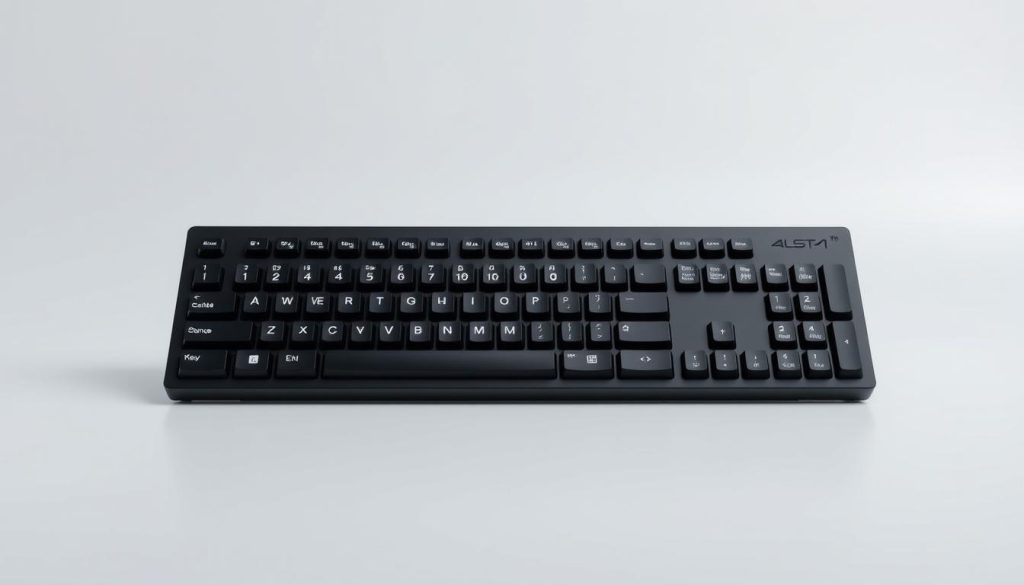
Useful accessories for playing piano comfortably
Beyond the keyboard itself, a few accessories can make a real difference. They improve comfort, durability and sound.
Dedicated stand, bench and pedals
Dedicated stand: choose a stable stand suited to the digital keyboard’s weight. Avoid lightweight stands if you play forcefully or use the sustain pedal often.
Adjustable bench: sitting correctly helps prevent pain and supports good technique. An adjustable bench maintains a consistent posture during long sessions.
Pedal unit: the sustain pedal is essential. A three-pedal unit better reproduces an acoustic instrument and provides soft, sostenuto and sustain pedal functions.
Headphones and transport protection
Closed-back, neutral headphones: essential for practicing late and hearing subtle expression without disturbing neighbors. Choose a comfortable model with good isolation.
Cover or flight case: protecting your piano during transport extends its life and preserves its resale value.
Cables and power: quality cables and a surge-protected power strip reduce the risk of faults and improve everyday reliability.
“A well-chosen accessory can be more useful than an individual feature.”
- A sturdy music rest and sheet music lighting for visual comfort.
- Buying a bundle can save money: a stand, bench and pedal unit are often included.
- For the stage, prioritize a flight case and cables; for home, prioritize a bench and headphones.
| Accessory | Purpose | Practical tip |
|---|---|---|
| Dedicated stand | Stability and ergonomics | Choose a sturdy stand suited to the weight |
| Adjustable bench | Posture and endurance | Adjustable height and firm padding |
| Pedal unit (one to three pedals) | Expression and piano functions | A quality sustain pedal; three pedals to reproduce an acoustic piano |
| Closed-back headphones | Quiet practice | Isolation and comfort for long sessions |
Where to buy a digital piano in France and how to choose well
The best offers emerge when you compare prices, services and bundles. Before buying a digital piano, write down your needs (use, space and budget) and check availability.
Thomann, Woodbrass, Amazon: comparing prices and bundles
Compare prices, delivery times, after-sales service and bundles (stand, pedals and headphones). Examples of indicative 2025 prices: FP-30X at €599, YDP 145 at €833, CLP-825 at €1,329, ES120 at €599, ES920 at €1,222 and CA701 at €2,577.
Check whether the seller includes a stand or pedal unit, or offers a rebate. A slightly more expensive offer may provide better overall value.
Beware of unfamiliar brands and deals that are too good to be true
Spot misleading bargains by looking for unrealistic prices, vague specifications and inconsistent reviews. Favor popular, well-supported models to make resale easier and benefit from updates.
- Confirm the exact version (Bluetooth, compatible pedal unit).
- Contact support to check technical compatibility.
- Try the instrument in a store if possible, then buy from a seller with reliable service.
| Seller | Advantage | What to check |
|---|---|---|
| Thomann | Competitive prices | Delivery times, after-sales service |
| Woodbrass | Stock in France, bundles available | Warranty, returns |
| Amazon | Fast delivery | Third-party seller, returns |
Final tip: define your needs to work out which piano to buy, and use this guide to make an informed choice.
Durability and maintenance: what a digital piano offers
A carefully chosen purchase often becomes a long-lasting musical companion. A digital piano reduces maintenance demands and makes apartment living easier because it needs no tuning.
Longevity, updates and no tuning
Quality action and robust electronics stand up well to years of home use. Digital pianos can last a long time if you protect the cabinet and keys.
Firmware and app updates can often add features without requiring a new instrument. This extends its usefulness and helps prevent it from becoming obsolete quickly.
- No tuning: lower maintenance costs for apartment living.
- Use a cover, dust the instrument and avoid moisture to protect the electronics.
- A sturdy stand and neatly arranged cables improve durability and make resale easier.
Compared with acoustic pianos, electronic models require much simpler maintenance. An instrument chosen well from the outset can support your playing for years and retain good resale value.
Conclusion
One last tip: try a model in a store to assess its key feel and tonal balance. Your own perception will often guide you more than the numbers.
Method: define how you will use it, set your price range, prioritize weighted action and sufficient polyphony, then compare one or two final models.
Quick recap: the ES120 (192-note polyphony, Bluetooth) for starting out with very good value for money; the ES920 (256-note polyphony) for progressing with a portable model; and the CA701 (Grand Feel III, 2 × 55 W) for a cabinet piano experience.
In the 2025 market, these models hold their own against the FP-30X, YDP 145/165 and CLP-825. Digital grand piano modeling and carefully designed action help produce a result close to an acoustic piano.
Take the next step: compare models, check availability and buy from a reliable retailer. The right instrument encourages you to play piano more often and helps you get the most from your budget.