
In The Legend of Zelda: Ocarina of Time, every note has a purpose. Twenty-seven years after its creation, the game still holds a special place in fans’ hearts. Koji Kondo composed a soundtrack that became a cultural touchstone far beyond video games.
The instrument accompanies Link at every stage of his adventure. It opens passages, solves puzzles and connects him with the people of Hyrule. This gives every melody a practical purpose. It also makes the game’s rules easy to remember.
This selection begins with Zelda’s Lullaby, a gentle tune that is easy to memorise. It then moves on to livelier pieces, such as the tune from Kakariko Village’s windmill. Each piece shows how a theme can guide the action, set a mood or strengthen a key moment.
The best place to start is a simple melody connected to a memorable scene. An analysis of Zelda’s music can also help explain how the soundtrack shapes atmosphere and memory.
Ocarina: What Music Should You Play to Explore Its Sound?
The tunes from The Legend of Zelda: Ocarina of Time are an excellent introduction. Each melody is short, clear and linked to a particular moment. Princess Zelda, Saria and other characters give each theme an emotional connection.
Link learns twelve essential melodies in the game. Zelda’s Lullaby evokes the castle, while a song associated with the graveyard creates a darker mood. This progression helps you discover what the instrument can do without feeling overwhelmed.
Why Zelda’s melodies are ideal for learning
A short version is easier to memorise. The rhythm guides your fingers and quickly brings a familiar scene to mind. The connection between image, emotion and sound makes practice more rewarding.
The instrument’s distinctive sound
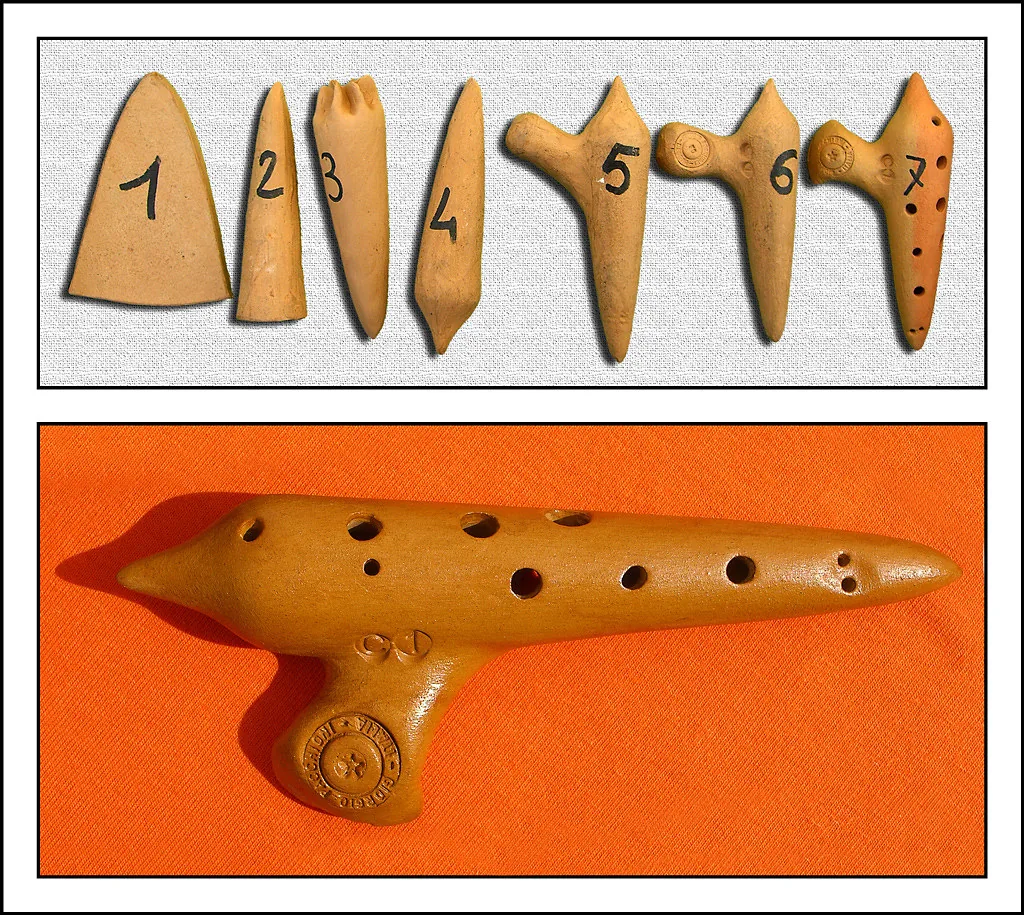
Giuseppe Donati revived and named the modern form in the nineteenth century. The Italian word means “little goose”. This vessel flute has a resonating chamber. Air passes through an opening before striking an edge cut at roughly 45 degrees.
According to Emmanuelle Aymès, the instrument is easy to pick up and has a soft, soothing tone. A large model produces low notes. A small one favours high notes.
How to Choose Your First Ocarina Melody
To get started, choose a short tune associated with a clear image. In Ocarina of Time, twelve essential melodies accompany the adventure. Their place in the story helps you understand the game and makes it easier to coordinate your fingers.
Start with short, memorable tunes
The Scarecrow’s Song offers an unusual exercise. The player creates an eight-note sequence, which Link must then repeat exactly for Bonooru at Lake Hylia. He plays the sequence as a child and again as an adult.
Link learns Saria’s Song after obtaining Zelda’s Lullaby, in the Sacred Forest Meadow. This setting connects the tune with familiar characters and places. An ocarina learning guide can then help you work on your breath control.
Match pieces to the instrument and your skill level
Begin with a steady rhythm. Check your instrument’s range before choosing faster melodies. Taking your time strengthens your memory and reduces mistakes.
| Stage | Suggested choice | Goal |
|---|---|---|
| Beginning | Eight notes of your own | Memorise a sequence |
| Next step | Saria’s Song | Connect a tune with its setting |
| Later | A livelier rhythm | Coordinate fingers and breath |
Zelda’s Lullaby: A Gentle Melody for Getting to Know the Instrument
A steady breath is enough to bring this royal theme to life. Zelda’s Lullaby makes a clear, gentle first step and is easy to remember. It reassures beginners and creates an emotional connection with the game.

A royal meeting at Hyrule Castle
Impa teaches Link this song after he meets Princess Zelda at the castle. The princess thus gives him a sign associated with the royal family. The scene places the melody at the heart of the story and ties several characters to one shared memory.
The song also affects the environment. It triggers certain events and opens a door marked with the Triforce symbol. Playing it during the adventure can therefore give Link access to new areas.
Simple groups of notes to master
Practise each group slowly with a steady breath. You do not need to play this melody like a virtuoso from the outset. Repeat the rhythm first, then join the phrases gently. The theme will begin to flow while retaining the quality that makes players cherish it.
A guide to easy pieces to learn can build on this first approach.
| What to practise | Simple method | Expected result |
|---|---|---|
| Breath | Breathe between phrases | A steady sound |
| Rhythm | Repeat short groups | Stronger memory |
| Expression | Soften the ends of phrases | A natural performance |
The Temple of Time Theme: Solemn and Mysterious Music
A sacred atmosphere takes hold as soon as Link enters the Temple of Time. This calm song accompanies a major moment in his adventure. Twenty-seven years after the game’s creation, its simple, evocative writing remains popular.
A melody linked to the Door of Time and Link’s adventure
After obtaining the three Spiritual Stones, Link learns the Song of Time. He opens the Door of Time inside the temple. Beyond it lie the Master Sword and a passage between childhood and adulthood that is central to the story.
The theme thus connects the characters, places and events of the story. Every visit to the temple is a reminder that time transforms the adventure without dispelling its mystery.
How to practise long notes and expression
This melody lends itself to slow, careful practice. Keep your breath steady without gripping the mouthpiece. Work through it in three steps:
- slow down each phrase;
- repeat passages at a steady pace;
- listen to the resonance before starting again.
Breath control gives the performance its solemn character.
Song of Storms: The Signature Tune of Kakariko Village’s Windmill
In the heart of Kakariko Village, the windmill hides a strange connection between the characters and time. The Song of Storms accompanies a memorable scene with lively music that is easy to recognise.

The windmill and the time paradox in the game
Guru-Guru teaches this song to adult Link in the windmill. The old man says a child played it seven years earlier. Adult Link therefore learns the theme before child Link goes back into the past to play it. This loop adds a surprising twist to the story.
The Song of Storms summons rain. It changes certain bodies of water and sometimes reveals hidden caves. A melody can transform the surroundings, open a route to a temple or change a visit to the graveyard.
A rhythmic melody to practise carefully
This melody is an excellent exercise in rhythm and control. Start slowly, then increase your speed in stages. Listen to the start of each note and keep a steady beat.
| Stage | Exercise | Goal |
|---|---|---|
| Start | A slow beat | Steady your breath |
| Progress | Increase the tempo gradually | Improve precision |
| Finish | Play the full phrase | Maintain the rhythm |
Forest and Village Melodies for a Change of Mood
From celebration and friendship to fast travel, these tunes show how music can guide an adventure. Each passage connects a mood to characters, a place or a particular need.

Lost Woods and Saria’s Song: Joy and Friendship
After crossing the Lost Woods, Link meets Saria in the Sacred Forest Meadow. She teaches him a song that lets them communicate telepathically. The tune becomes a strong bond between them, even when they are apart.
The Lost Woods music also helps Link find his way through the maze. Saria’s Song makes Darunia dance, helping Link gain access to Dodongo’s Cavern. Rhythm therefore serves both the story’s emotions and its game mechanics.
Kakariko Village and the windmill’s music
In Kakariko Village, the windmill adds to the village atmosphere while its melody spins energetically. It contrasts with the calm tunes of Lake Hylia and recalls how time can transform a place.
Minuet of Forest: A Route to the Forest Temple
Sheik teaches the Minuet of Forest after Link obtains the Hookshot. This melody takes him straight to the Sacred Forest Meadow, near the entrance to the Forest Temple. It remains useful before he sets out on the desert routes.
Ocarina of Time Tunes to Expand Your Repertoire
A trip to the desert brings fresh energy to your repertoire. Gerudo Valley uses an Andalusian chord progression: A minor, G major, F major and E major. Guitar, trumpets and percussion evoke flamenco. This vibrant sound calls for a stronger breath and precise rhythmic control.

Gerudo Valley and its desert flamenco sound
This melody contrasts with the calm tunes of the Temple of Time. It invites you to emphasise the start of each note without rushing. Playing it slowly helps keep every note clear.
Three songs linked to travel and characters
The Sun’s Song changes day to night, or night to day, instantly. It also briefly paralyses certain enemies. Serenade of Water takes Link to Lake Hylia, while Requiem of Spirit takes him to the Desert Colossus near the Spirit Temple.
Once you have learned the notes, explore different places and moods. The forest, the graveyard and the Forest Temple offer different exercises. The Scarecrow’s Song, built from eight notes chosen by the player, also rounds out this repertoire.
| Tune | Mood | Purpose |
|---|---|---|
| Gerudo Valley | Energetic flamenco | Practise rhythm |
| Sun’s Song | Magical | Change the day and night cycle |
| Requiem of Spirit | Mysterious | Reach the Desert Colossus |
Conclusion
Zelda’s Lullaby offers a gentle introduction before the more demanding phrases of the Temple of Time. It connects the princess, several other characters and the spirit of a game that has become a classic.
In Kakariko Village, the Song of Storms, taught by Guru-Guru, sharpens your rhythm, breath and control. Saria’s tunes, Gerudo Valley and the village music bring different moods, from the woods to the graveyard.
Link’s twelve themes show how the instrument serves music, exploration and interaction with the world. The eight-note Scarecrow’s Song even invites beginners to create a tune of their own.
Twenty-seven years on, this repertoire remains close to players’ hearts. This history of the ocarina sheds light on how the instrument evolved. Start with a simple theme, then progress at your own pace: every song can bring your adventure to life.