
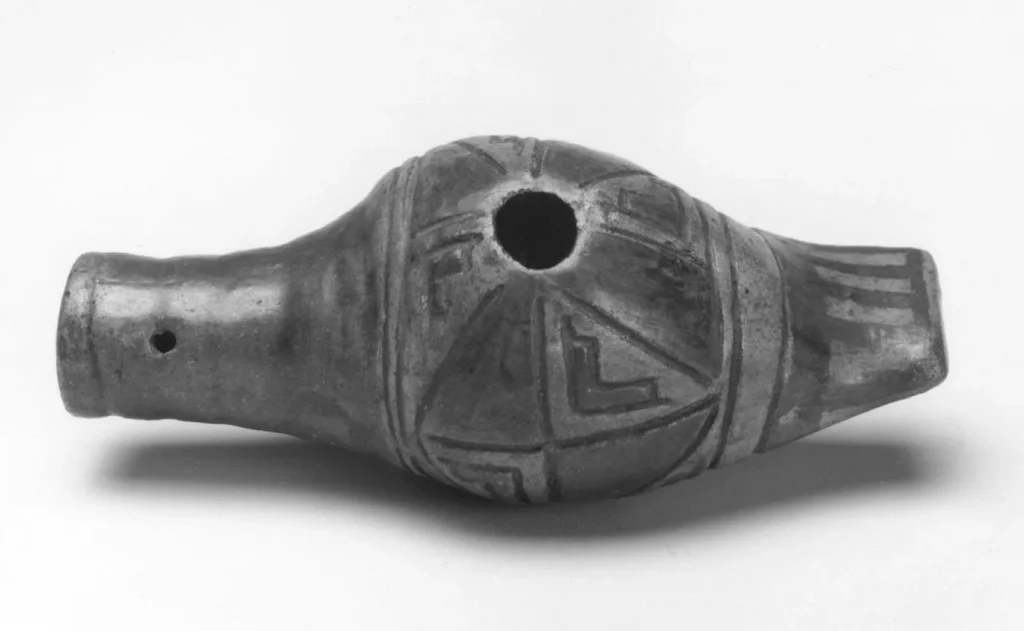
The ocarina is a small, keyless instrument classified as a globular flute. Its ovoid shape immediately catches the eye. Its gentle, melancholy, or ethereal tone creates an intimate atmosphere. A mouthpiece and a few holes are all it needs to produce notes.
Its history goes back about 12,000 years. Ancient examples have been found in Kosovo, China, Egypt, and South America. The modern version developed in Italy in the 19th century, particularly thanks to Giuseppe Donati.
Terracotta and ceramic remain very common materials. The number of holes, the size of the body, and the chosen tuning directly affect the melodies you can play. To learn more about the ocarina, read this comprehensive introduction.
This guide explores its origins, materials, models, and the basics of learning to play. You will also discover the ocarina’s distinctive place among flutes and the criteria for choosing a suitable model.
Ocarina: Everything You Need to Know About This Wind Instrument
Before playing it, it helps to understand its place in the woodwind family. Whether made of plastic, metal, or ceramic, this instrument works through the player’s breath. It is therefore a wind instrument, like the flute or oboe.
Definition and Place in the Wind Instrument Family
The body forms an enclosed resonating chamber. The player blows into the mouthpiece, then covers certain holes with their fingers. This changes the pitch and produces gentle, clear, or deep sounds.
Common models have 4, 5, 6, 8, 10, or 12 holes. A six-hole English model offers 10 notes. The eight-hole Peruvian version produces 11. For a fuller definition, explore this guide to the instrument.
How the Mouthpiece, Chamber, and Holes Work
- Mouthpiece: it receives the player’s breath.
- Chamber: it amplifies the vibration.
- Sound outlet: it lets air escape.
- Hole: it changes the pitch of the notes.
With no keys, playing depends on steady breath and good finger coordination.
The Origins and History of the Ocarina Around the World
Its history spans several continents. Archaeological objects show that its ancestors existed nearly 12,000 years ago. To discover its origins, we must trace a path from Kosovo to Italy.
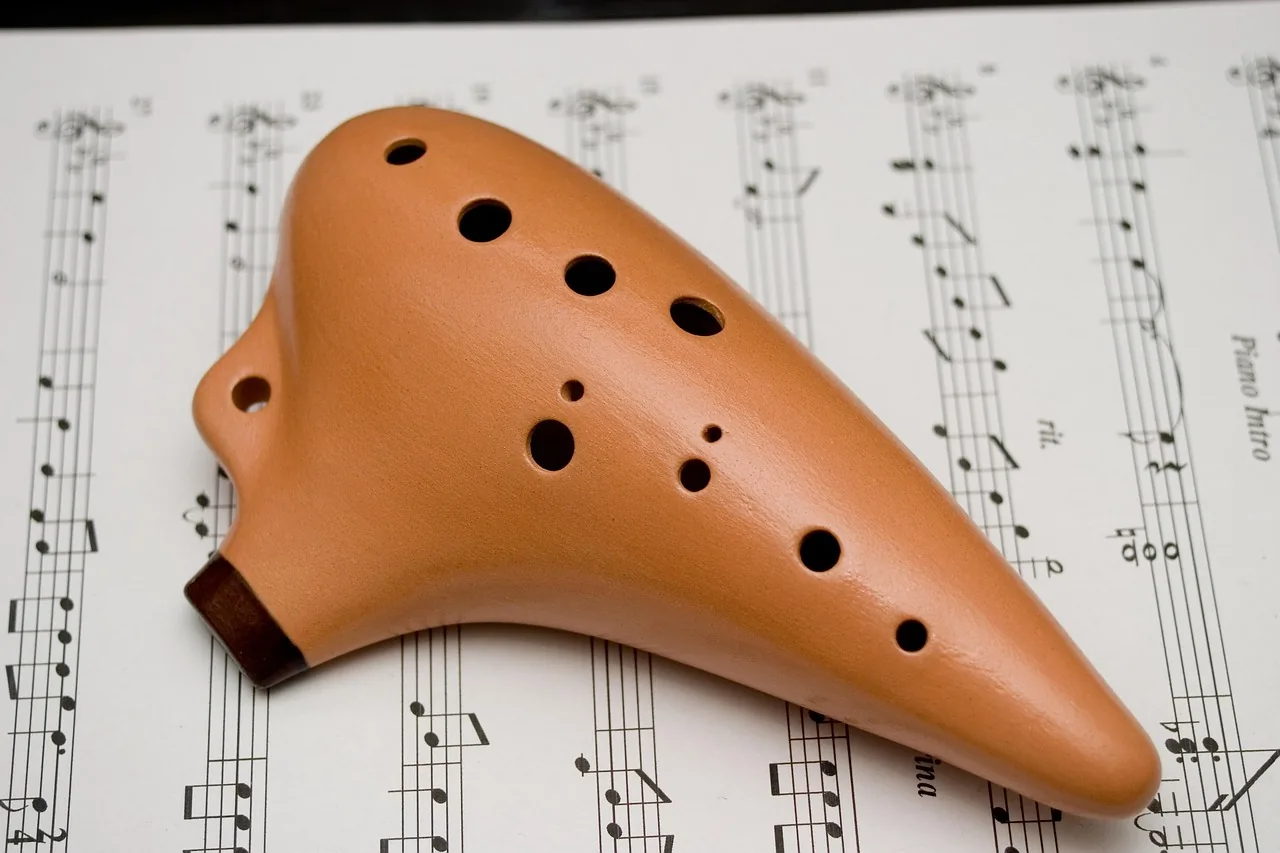
The Earliest Archaeological Traces and Pre-Columbian Cultures
The Runik ocarina, found in Kosovo, is among the oldest known wind instruments in that region. In China and South America, other ancient finds point to a variety of practices.
The Maya, Inca, and Aztec shaped instruments from terracotta, sometimes in the likeness of animals. The Aztec huilacapiztli had four holes along its sides. These objects were used in rituals and celebrations and to imitate animals. In 1527, Mesoamerican musicians performed their melodies before Charles V.
Giuseppe Donati and the Birth of the Modern Model
In 1853, Giuseppe Donati created a ten-hole model in Budrio. He thus turned a simple toy into a true musical instrument. In 1864, he founded the Gruppo Ocarinistico Budriese. Takashi Aketagawa later introduced a twelve-hole version in 1928.
A Revival in Popular Culture
In 1998, The Legend of Zelda: Ocarina of Time renewed public interest. Captain Harlock, The Good, the Bad and the Ugly, and several musical works also strengthened its presence. Double, triple, and then quadruple models further expanded the instrument’s range and the possibilities for players.
Construction, Materials, and Sound Characteristics
Every ocarina combines craftsmanship, precision, and acoustics. Its material affects its weight, durability, and tone. Some measure 15 centimeters, roughly the length of a hand.
Terracotta, Ceramic, Plastic, and Other Materials
Terracotta produces a warm sound. The maker shapes the body, pierces the holes, lets it dry, and then fires it. Firing stabilizes the clay and fixes the tuning. Ceramic and porcelain provide a smooth, durable surface and often produce a precise sound.
Wood, metal, and plastic are also suitable. Plastic is light and sturdy, while metal gives a more lively response. Some models are even made from bone, stone, bamboo, or a plant shell.
Ovoid Shape, Resonator, and Note Production
The chamber acts as a Helmholtz resonator, unlike a conventional tube. The mouthpiece directs air into the windway. Gradually uncovering the holes changes the internal pressure and the pitch.
“The ovoid shape turns a simple pocket of air into a sound chamber.”
In 1853, Giuseppe Donati refined a ten-hole transverse model. This innovation marked a turning point in the 19th century.
| Material | Main advantage | Sound |
|---|---|---|
| Terracotta | Warmth and authenticity | Gentle tone |
| Ceramic | Precision and finish | Clear notes |
| Plastic | Light weight and durability | Consistent response |
Different Ocarina Models and Their Uses
Choosing a model mainly depends on fingering, the desired register, and where you plan to play. Some formats suit beginners, while others give experienced players a wider range. To place this musical instrument in context, compare the shapes and uses of the different models.
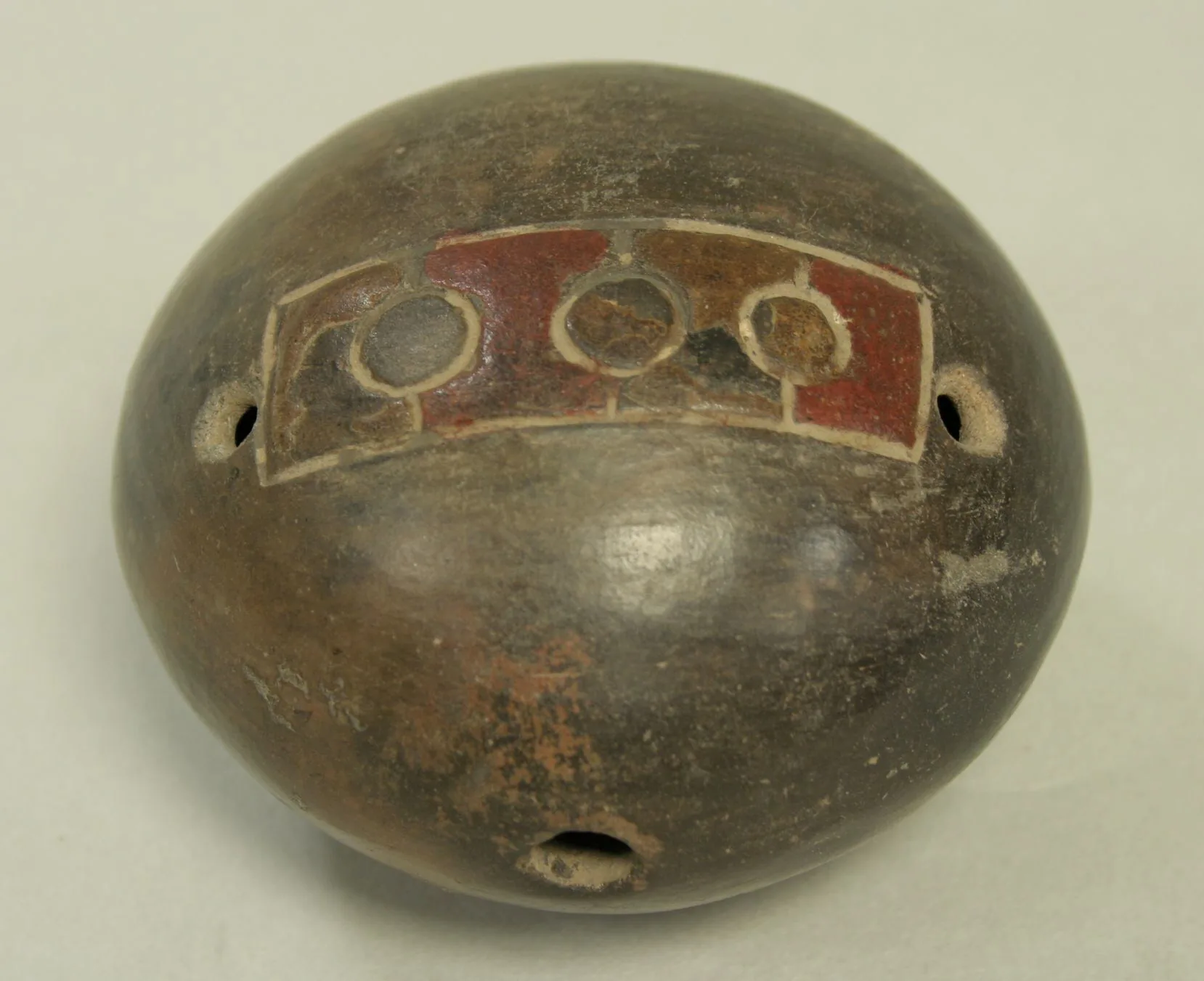
English, Peruvian, Linear, and Pendant Ocarinas
The English model has 6 holes and produces 10 notes. The Peruvian model has 8 holes and produces 11 notes. With 10 holes, the linear version offers a similar range, but its fingering is simpler.
Pendants are compact and easy to carry. An English pendant often has 4 to 6 holes. Peruvian models sometimes feature animal motifs linked to local cultures. Terracotta or ceramic gives a more traditional tone. Plastic stands out for its light weight.
Twelve-Hole, Double, Triple, and Quadruple Models
The twelve-hole transverse model produces 13 notes. It appeals to beginners and intermediate players alike. Descended from the design modernized by Giuseppe Donati, it suits solo playing or accompaniment.
- Double: two mouthpieces and 17 notes.
- Triple: three mouthpieces and 21 notes.
- Quadruple: four chambers and 24 notes, with its appearance reported in China between 2007 and 2009.
| Model | Fingering | Range | Recommended use |
|---|---|---|---|
| English | 6 holes | 10 notes | Getting started easily |
| Peruvian | 8 holes | 11 notes | Exploring a traditional style |
| Linear | 10 holes in a row | About 11 notes | Simpler fingering |
| Transverse | 12 holes | 13 notes | Playing a wider range |
How to Choose an Ocarina and Learn to Play
A well-chosen model makes your first melodies easier and more enjoyable. Consider its range, your budget, and finger comfort. An average volume of around 70 decibels also makes it suitable for playing at home.
Which Model Should You Choose for Your Level, Range, and Budget?
Soprano, alto, tenor, and bass are different registers. For beginners, an alto is the most balanced choice. Its size makes it easier to hold, while smaller models produce higher notes.
- Focalink: sturdy plastic, between 20 and 50 euros.
- STL Ocarina: carefully finished ceramic, around 80 to 120 euros.
- Songbird: natural wood, close to 150 euros for an experienced musician.
To learn steadily, start with breathing, then work on intonation and fingering. Practice a short scale before moving on to melodies. Video tutorials, tablature, OcarinaForest.com, and methods for the English model can support your progress. Sales are said to have risen by about 15% per year since 2015.
Conclusion
Sometimes a single breath is enough to open a door to the imagination. Rooted in various cultures, the ocarina connects ancient heritage, modern Europe, and popular culture. Its history runs through Giuseppe Donati, and the instrument later reached a worldwide audience through video games and a revival in the 21st century.
Its ovoid body, mouthpiece, internal chamber, and holes create a gentle, melancholy, and ethereal tone. English, Peruvian, linear, pendant, and multi-chamber ocarinas meet different musicians’ needs. The ocarina thus has a place in solo playing, classrooms, and ensembles.
A budget of around 20 euros is enough to get started. Tablature and online lessons make learning easier. Since 1998, The Legend of Zelda has helped secure the instrument’s lasting place in popular soundtracks. Easy to use, this wind instrument offers an accessible way into music and the world of wind instruments.